
 English
 Français
 Español
 Árabe
 Deutsch
 简体中文
 Português
 Русский
 日本語
 한국어
 हिंदी
 Prancis
 Türkçe
 Tiếng Việt
 Italiano
 ไทย

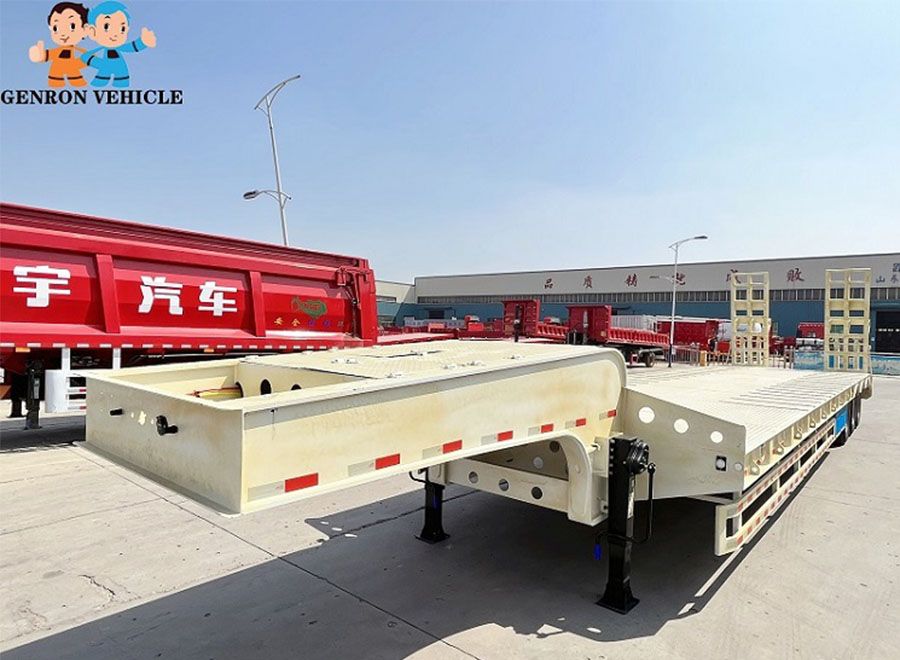
An asphalt paver can fit within a trailer’s advertised payload and still be a poor match for its loading arrangement. The screed, hopper, tracks and underside profile can determine whether the machine can reach the intended deck position without an unresolved clearance or support problem. Those details belong in the enquiry before a supplier selects a trailer.
For a paving contractor, the useful question is not simply whether a low bed can carry a paver. It is which machine configuration the proposal covers, what travels separately, and which site conditions the transport plan assumes. This guide explains how to prepare that brief and compare quotations without confusing paving dimensions with transport dimensions.
Identify the paver and its fitted screed
Start with the manufacturer, model, machine identification and fitted screed. Record whether the machine runs on tracks or wheels, and list attachments that remain fitted during transport. A paver model name alone may not identify the complete combination being moved. Ask the equipment owner to confirm the configuration rather than selecting the lightest entry from a general brochure.
The VÖGELE SUPER 1900-3 datasheet separates screed options, transport dimensions and configuration-dependent weights. It illustrates the need for a matched machine record; its measurements are not universal values for other pavers. Use the current documents for the actual machine and keep them with the transport enquiry. VÖGELE SUPER 1900-3: screed options, transport dimensions and weights
Establish transport mass rather than paving output
Paving capacity, hopper capacity and transport mass describe different things. A machine’s production figure says nothing about the load applied to the trailer. Identify the mass of the agreed transport configuration and state what it includes: screed, accessories, fitted equipment and any separate items carried on the same journey.
Record where the information comes from and who will resolve uncertainty. If an attachment list is incomplete, mark the mass as provisional. A quotation based on an assumed standard machine should not quietly become approval for a heavier configured machine simply because both carry the same model badge. This distinction also helps dispatch staff identify substitutions before collection.
Distinguish working width from the transport envelope
Maximum paving width is not the width of a machine prepared for transport. Screed extensions and other components may have different transport arrangements, but their removal or repositioning must follow the equipment manufacturer’s instructions. The buyer should supply the resulting dimensions, not assume that every working component can be folded into the advertised basic width.
Give the trailer supplier a dimensioned outline in the intended transport condition. Include projections from the screed, walkways, mirrors, protective structures and other fitted equipment. State the width of the supporting tracks or tires separately. The outside envelope determines available clearance; the contact geometry determines where the machine loads the deck. Neither measurement substitutes for the other.
Draw the underside and the loading transitions
A final parked position can look generous while a transition into that position remains problematic. Provide a side view identifying low components, front and rear overhangs, wheelbase or track-contact length, and the position of the screed relative to the supporting contacts. Ask for the complete loading path to be reviewed against that profile.
Do not choose a ramp using a generic angle quoted for a different machine. Ramp geometry, the transition onto the deck and the assumed loading surface must be considered together. The proposal should state the machine and site conditions it covers. A larger nominal trailer payload does not establish a suitable approach or a ramp rating for the actual loading case.
Compare rear-ramp and detachable-gooseneck layouts
A rear-ramp arrangement and a detachable-gooseneck arrangement create different loading paths and working requirements. Compare them against the actual paver, collection area and destination. A layout that reduces one clearance difficulty may introduce additional preparation, equipment or working-space requirements. Those trade-offs should be visible in the quotation rather than hidden behind the word lowboy.
GENRON’s three-axle low bed with rear loading ramps and removable-gooseneck lowboy layout provide two layouts to discuss. The links identify trailer families, not acceptance of a particular paver. Ask the responsible manufacturer to mark the intended support position and explain any configuration changes required. Compare complete proposals using the same machine data so that a price difference has a clear technical and operational basis.
Show how the machine contacts the deck
Provide track or tire widths, spacing and contact lengths, together with the manufacturer’s relevant transport information. The trailer designer needs to see how load reaches the structure. An outside machine width cannot establish whether the supporting contacts sit correctly on the proposed deck, particularly where extensions or a change in deck construction are involved.
Ask for support positions to appear on the accepted drawing. Identify the intended function of removable extensions, infill pieces or other accessories, including their permitted duty. A component that creates a visually continuous platform should not automatically be treated as suitable machinery support. Resolve that point before the machine arrives, when dispatch and site staff still have time to plan an alternative.
Account for extensions and loose equipment
List screed extensions, tools, spare components and other items that travel separately from the paver. Record their individual dimensions and masses where relevant, and identify packaging or support needs. The unused-looking space beside a machine is not automatically an acceptable storage location. It may be needed for securing access, loading clearance or routine equipment handling.
Give every separate item a place on the load drawing and an entry on the packing list. Where an item is removed by the owner and refitted at the destination, identify the parties responsible for both activities. The transport quotation should not imply that the trailer supplier provides specialist dismantling or reassembly unless that work is explicitly included and agreed.
Keep machine securing provisions identifiable
Obtain the paver manufacturer’s transport and securing instructions for the actual model. Give those instructions and the trailer drawing to the competent load-securing planner. Machine attachment provisions, trailer anchor points and the required access around them need to work together in the proposed position. Convenient openings or substantial-looking bodywork are not evidence of suitable securing points.
Specify what information accompanies the supplied trailer fittings, and keep the accepted arrangement with the vehicle record. This article does not calculate lashings or prescribe an operating sequence. Its purpose is to make the purchasing brief complete enough for the responsible specialists to assess the real load, rather than leave the first driver to interpret a sales photograph.
Include collection and receiving-site conditions
Describe both ends of the move. A contractor’s depot may have a wide paved area, while the receiving site has restricted access, temporary surfaces or limited space to position a combination. Establish who confirms the working area and who coordinates the site arrangements. Do not make an equipment decision on the assumption that every destination resembles the collection yard.
Share photographs to explain access, but retain dimensions and a written site description. Images do not establish ground suitability or show every obstruction. If a different site is substituted, refer the affected assumptions for review. A transport arrangement that worked on one project does not automatically cover a new entrance, a different unloading area or another machine preparation condition.
Treat additional machines as separate load cases
Some contractors want to move a paver and a roller together. Others need one trailer to serve several pavers of different sizes. Prepare a load-case register rather than one combined headline payload. Each case should show the machines, accessories, support positions, required securing access and the conditions that govern acceptance.
Multi-stop work needs an intermediate case as well. After one machine is delivered, the remaining load and loose equipment still need an accepted arrangement. Ask the transport planner to review the delivery sequence. The position that is convenient for the first unloading task may not be the position that best satisfies the requirements for the rest of the journey.
Review height with the complete combination
Give the route planner the loaded vehicle envelope in the agreed transport condition. Include the actual deck support level, machine height and any fitted component that determines the highest point. A low deck can help with overall height, but it does not by itself establish access along a route or compliance with the limits applying to the move.
Identify who is responsible for route checks and any required movement arrangements. Keep confirmed information separate from provisional assumptions in the order record. A quotation that says suitable for road construction should not be read as a route approval. The trailer, machine configuration and intended journey must remain connected through the planning and handover process.
Make quotation exceptions easy to compare
Use the same machine brief for each supplier and ask for clear responses to support, loading path, accessories and documentation. Mark an item as included, excluded or awaiting information. This approach is more useful than comparing a list of optional features without knowing which ones the actual paver needs.
For example, one proposal may cover the paver with the basic screed but leave the extension package unresolved. Another may include a separate storage arrangement. Those offers are not equivalent until the missing scope is addressed. Record the cost and scheduling implications of resolving the exception, rather than allowing a preliminary price to become the reference for a different finished configuration.
Use an acceptance record at handover
At handover, reconcile the supplied trailer with the accepted drawing and equipment list. Check identification, removable components, documented fittings and the information needed by the people planning the first move. Keep any agreed substitutions visible. A change that appears minor in the factory may affect clearance or access once the paver is positioned on the deck.
Retain a dated configuration record for future collections. If another screed, protective structure or accessory is fitted later, update the machine information and request the relevant review. A clear record makes the trailer useful across a fleet without encouraging staff to assume that every machine bearing a familiar name is already covered by the original purchase decision.
A practical paver enquiry checklist
Before requesting a final offer, assemble the machine identification, fitted screed details, transport mass basis, outside envelope, supporting-contact dimensions and underside profile. Add a list of separate equipment, collection and delivery-site descriptions, and the load cases the fleet expects the trailer to cover. Name the people supplying missing dimensions and accepting the resulting drawings.
Ask GENRON to return a defined layout with its inclusions, exclusions and outstanding questions. Where a final decision depends on equipment-manufacturer information, leave that decision open until the evidence is available. A useful quotation makes the transport requirement easier to understand. It should not replace missing machine data with a broad promise that a heavy-duty trailer can carry anything below a stated tonnage.
Use a machine matrix to prioritise missing information
A contractor comparing three pavers can place each transport configuration on a separate line. For each line, record whether the mass, support geometry, underside profile and transport envelope are confirmed. A missing dimension should have an owner and a due date. This makes it clear whether the trailer offer is ready for acceptance or only suitable for an initial budget discussion.
Prioritise information that can change the proposed layout. If the supplier needs the rear profile to assess a transition, another general machine photograph may not resolve the question. Ask exactly which measurement or document is needed and obtain it from the equipment owner. The register then becomes a short, actionable list rather than a growing collection of attachments with no decision recorded.
FAQ: Choosing a low bed for an asphalt paver
Can I select a trailer from the paver’s total weight alone?
No. Weight is one input. The actual screed configuration, supporting contacts, underside profile and loading path also matter. A machine below the quoted payload can still have an unresolved clearance or support issue. Supply a complete transport record and ask for the relevant load case to be identified on the proposed drawing.
Is maximum paving width the dimension to use for transport?
No. Give the dimensions of the machine in its manufacturer-approved transport condition. Working width describes a different configuration. Include any separately carried extensions and record who prepares and reassembles them. Do not assume that a wide screed can be folded or removed without consulting the correct equipment instructions.
Is a detachable gooseneck always better for a paver?
Not automatically. Compare the loading path, support layout, available working area, equipment scope and preparation requirements. The right arrangement depends on the actual machine and operation. Ask the supplier to explain why its proposed layout covers the stated load case instead of treating one trailer style as universally superior.
Can deck extensions support part of a track?
Only where the particular extension and supporting arrangement have been assessed and accepted for that duty. Visible width is not a rating. The manufacturer’s drawing should identify the permitted machine position and any restrictions, with enough information for the load planner to understand which parts of the deck provide support.
Can the same trailer carry a roller with the paver?
That requires a separate combined-load review. Show both machines, all loose equipment and the required securing access. Include the condition after either machine is unloaded if the route has several stops. Acceptance of one paver alone does not establish acceptance of every combination that physically fits on the platform.
What should remain with the trailer after purchase?
Keep the accepted drawings, machine configurations, supplied-equipment list and relevant manufacturer instructions together. Record restrictions and unresolved cases clearly. When the fleet changes a screed or substitutes a machine, review the affected information before scheduling the move. This gives dispatch staff a usable reference rather than a collection of unconnected quotation messages.
Product Options to Discuss
Product pages identify layouts to discuss, not acceptance of a specific load or proof that every optional component is included. Confirm the order-specific configuration with the responsible suppliers.
Related Reading
Low Bed Trailer for Excavators: A Dimension and Ramp Checklist
Fixed vs Detachable Gooseneck Low Bed Trailers: Choosing the Loading Arrangement
Low Bed Trailer Width Extensions: Deck Support, Machine Fit and Route Planning


