
 English
 Français
 Español
 Árabe
 Deutsch
 简体中文
 Português
 Русский
 日本語
 한국어
 हिंदी
 Prancis
 Türkçe
 Tiếng Việt
 Italiano
 ไทย

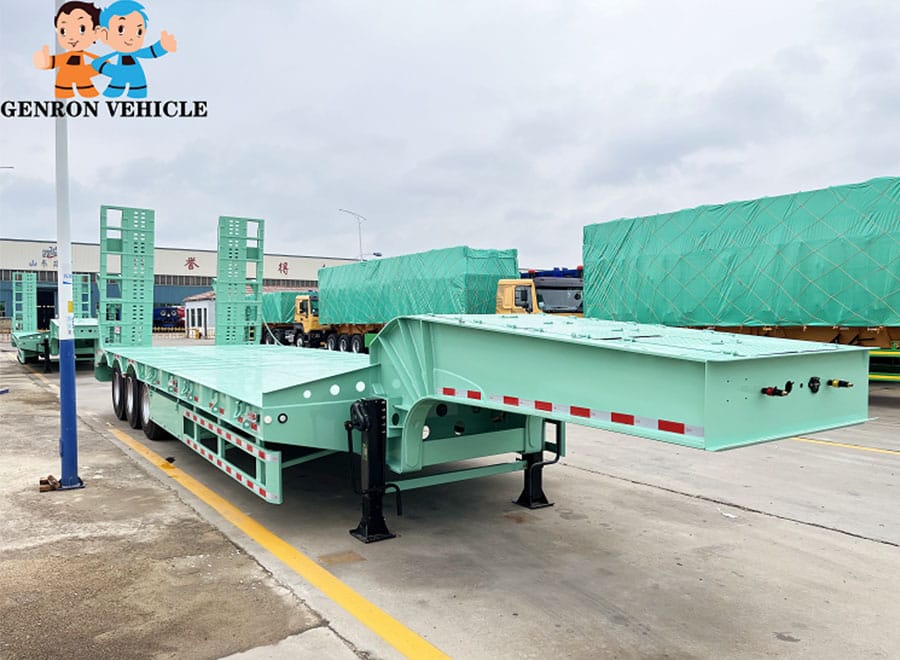
A wider low bed trailer can help accommodate a wide machine, but overall width and supported loading width are not the same measurement. The first describes the vehicle's outside envelope. The second depends on where the machine contacts the deck and how the load passes into the trailer structure.
Before requesting side extensions, show the supplier the machine's track or wheel positions. Ask for a drawing that distinguishes the central deck, extension structure and any removable infill. This makes width a defined engineering requirement rather than a number added to a quotation.
Identify Which Part of the Machine Is Wide
A machine may be wide because of its tracks, an upper structure, a blade or another attachment. These are different fit problems. If the tracks are wide, their contact positions determine the support needed across the deck. If the tracks fit within the central deck but an upper structure projects beyond it, additional deck width may not solve the route-clearance problem.
Record the machine's overall transport width, outer track or wheel width and contact footprint separately. Describe the approved transport position of attachments. Avoid using the widest visible dimension as a substitute for every measurement. A plan view and a cross-section sketch give the supplier a much clearer starting point than a request for a wide trailer alone.
Distinguish a Wide Deck From an Extension System
A permanently wider deck and a deck with side extensions create different vehicle envelopes and handling requirements. Extension designs may include side arms, supporting members and removable deck materials. The exact arrangement varies, so the quotation should identify the supplied system and show it in both its transport and working configurations.
GENRON's extended-width low bed product information lists side outriggers among its features. For an order, confirm the arrangement, dimensions and supplied parts on the project drawing. A generic product description does not identify the rating of every support position. If a supplier offers a different width solution, ask how it affects the machine footprint, empty-return dimensions and equipment that must be carried.
Four Widths That Should Not Be Confused
| Dimension | Why it needs a separate entry |
|---|---|
| Central deck width | Describes the main deck before any specified widening arrangement is considered. |
| Available supported width | Describes the assessed support arrangement at the machine's contact positions. |
| Loaded overall width | Includes the widest part of the cargo and the specified vehicle arrangement. |
| Empty-return width | Describes the trailer in its agreed travel configuration without the cargo. |
Ask How the Contact Loads Reach the Frame
Show the track or wheel footprint on the proposed deck layout. The supplier needs to assess the contact loads and their positions, including the extension structure where applicable. An outside width dimension cannot establish the strength of a side arm, an infill board or the connection between an extension and the main frame.
Request the permitted loading conditions for the supplied arrangement. Ask whether any limitations depend on the position or type of the machine's contact with the deck. If removable materials are included, identify their specification and the required quantity. Do not replace specified support materials with locally available substitutes merely because their dimensions look similar; obtain the appropriate technical approval first.
Include the Extensions in the Fleet's Daily Work
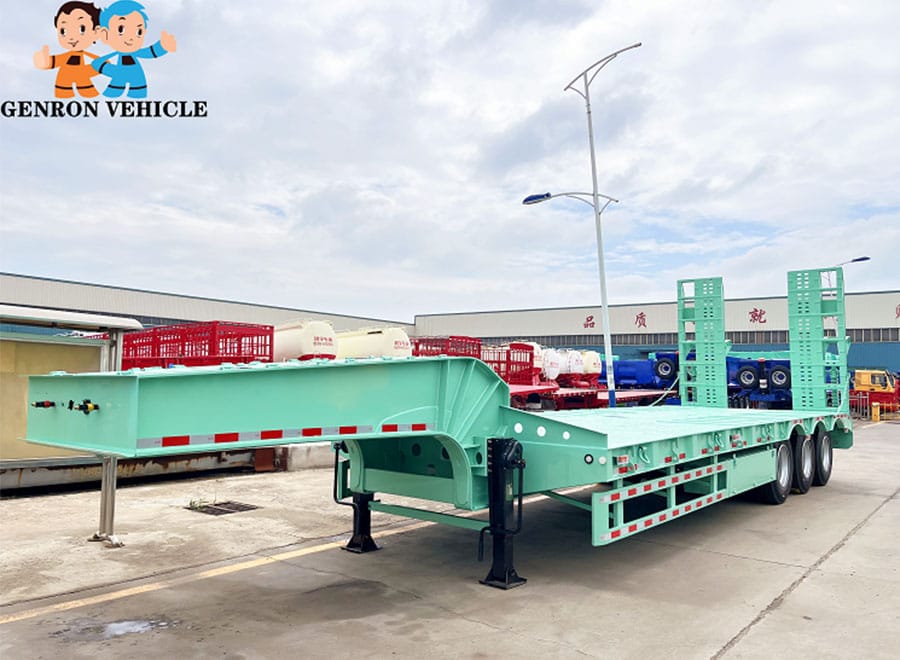
Removable parts need an identified storage position, a handling method and a way to check that the supplied set remains complete. Ask what is included with the vehicle and how the parts are secured when not in use. A missing support component can make an otherwise suitable arrangement unavailable for the next job.
The fleet's inspection record should distinguish the main deck from the widening equipment. Record the component identifiers and the supplier's applicable inspection and replacement requirements. Visible damage, missing retaining hardware or a changed fit should be referred to qualified personnel. The purchase enquiry does not need to prescribe repairs, but it should establish how the fleet will obtain instructions and compatible replacement parts.
Plan the Empty Journey as Well as the Loaded Journey
The loaded machine may determine the widest part of the combination, while the trailer's empty travel configuration determines the return journey. Describe both. Ask the operator or transport adviser to confirm the requirements that apply to the proposed route and dimensions, including any permits, access restrictions or escort arrangements where required.
A narrower empty-return configuration can be relevant to a particular operation, but it should not be assumed from the word extendable or from a photograph. Ask for the dimensions in the agreed travel configuration. Also check the loading and receiving yards: a wider deck arrangement needs space around the vehicle, while the machine itself may require additional clearance during handling.
An Illustrative Comparison of Two Machines
Suppose one fleet machine has wide tracks and another has narrower tracks but a wide attachment in its transport position. The first enquiry needs particular attention to support across the deck. The second needs particular attention to the complete cargo envelope and whether the attachment can travel in the proposed configuration. Treating both as the same wide-load problem can produce an unsuitable quotation.
Send a separate footprint drawing for each machine. Ask the supplier to identify the assessed positions, the support equipment needed and any arrangement that has not been approved. This makes it possible to compare one versatile trailer with separate transport solutions without assuming that every wide machine can use the same extension setup.
Width and Support Information to Send
Machine identification and transport configuration:
Overall transport width:
Outer track or wheel width:
Contact footprint and documented machine weight:
Proposed cargo position:
Central deck and supported width requested:
Extension parts and infill included:
Loaded and empty-return dimensions:
Loading and receiving yard restrictions:
Route requirements confirmed by the operator:
Drawings and permitted loading conditions requested:
Questions About Wider Platforms
Do width extensions increase the trailer's payload rating?
They should not be treated as a payload upgrade. Obtain the assessed loading conditions for the complete trailer and extension arrangement, and separately confirm the requirements for the vehicle combination and route.
Can I use any strong-looking timber as removable deck infill?
No. Use the material and arrangement specified for the supplied system. Appearance alone does not establish the required support performance or compatibility.
Useful Products and Further Reading
Request a width-and-support drawing from GENRON. Include the machine footprints and the loaded and empty-return dimensions you need. Ask which support arrangement can be supplied and which machine positions have been assessed.


