
 English
 Français
 Español
 Árabe
 Deutsch
 简体中文
 Português
 Русский
 日本語
 한국어
 हिंदी
 Prancis
 Türkçe
 Tiếng Việt
 Italiano
 ไทย

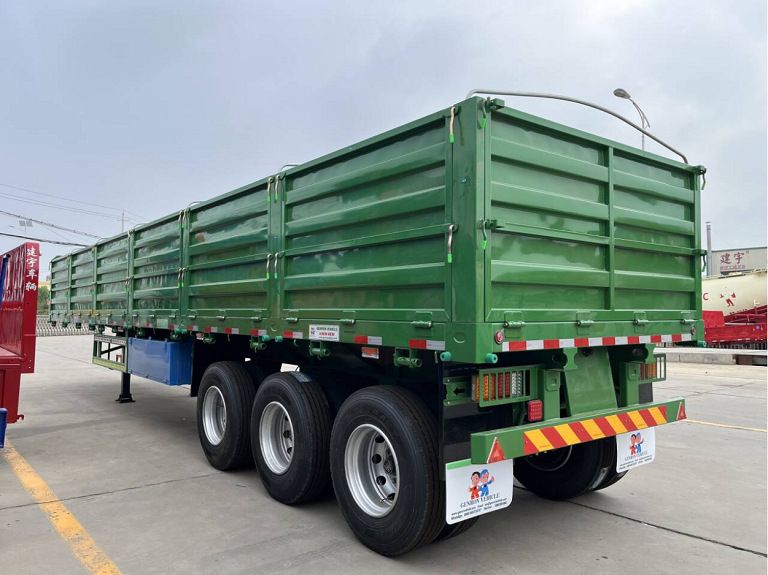
Bagged fertilizer is often treated as ordinary general cargo when a trailer is ordered. That description can hide important differences in product identity, packaging, moisture sensitivity, contamination controls and transport classification. A trailer that carries bags physically is not automatically an accepted solution for every fertilizer product or delivery route.
This guide focuses on the purchasing brief for packaged fertilizer carried on a dropside or fence semi trailer. It does not classify chemicals, authorise dangerous-goods transport or replace a product safety data sheet. The aim is to help distributors and carriers ask the right questions before choosing body dimensions, access, weather protection and the supporting documents for the work.
Identify the actual product before the trailer type
Obtain the product name, supplier identification and current safety data sheet for each fertilizer to be carried. Record the packaging format and the product supplier’s transport and handling requirements. Do not classify a load from the broad word fertilizer, the colour of the bag or a label used for a different formulation.
Yara notes that fertilizer labels contain transport, storage and handling information, and that product classification information must be understood in its proper context. Use the actual supplier’s documentation to establish what applies to the shipment. Where a classification or transport requirement is unclear, obtain competent advice before describing a standard cargo body as suitable for the task. Yara: fertilizer bag labelling and product information
Separate small bags, palletised bags and bulk bags
Describe the finished unit presented for collection. Loose small bags, palletised small bags and filled bulk bags create different support and access questions. Provide dimensions and gross mass for the actual unit, including pallets, wrapping and protective materials. State whether packages are expected to settle or change shape within the supplier’s permitted conditions.
For mixed loads, prepare a package matrix instead of one bag-count estimate. Identify which products and package types travel together and whether any restrictions apply to that combination. The trailer supplier needs this information to discuss usable floor area and body access. A payload figure alone cannot show whether the package arrangement, protection and delivery sequence are workable.
Compare dropside and fence bodies by access
A dropside body and a fence body offer different side structures and opening arrangements. Compare them against the actual loading equipment, package height and delivery method. Do not choose a fence body merely because a stack looks taller, or a dropside body merely because a familiar customer uses one for another bagged product.
GENRON’s dropside semi trailer and fence semi trailer are product layouts to discuss. Ask for gate openings, posts, hinges and other fixed components to be shown on the proposed drawing. Neither the linked page nor the visible side structure establishes product compatibility, chemical classification or a load-restraint rating. The final arrangement must cover the specific packaged fertilizer and operating brief supplied by the buyer.
Define the required cleanliness condition
Ask the product supplier what cleanliness requirements apply to the vehicle, packaging contact surfaces and any covers used. The relevant condition may depend on the fertilizer and on what the trailer carried previously. A general statement that the deck looks clean is less useful than an agreed inspection requirement with a named person responsible for accepting the vehicle.
Include removable items in the review. Loose pallets, protective materials and covers may introduce contamination even where the floor has been prepared. This article does not prescribe cleaning agents or decontamination procedures. Obtain product- and material-specific instructions from the responsible parties, and keep any required evidence with the shipment rather than assuming one cleaning method covers every load.
Plan moisture protection across the delivery chain
Describe weather exposure at collection, during transport and at delivery, including outdoor waiting. Ask the supplier how the packaged product is to be protected and what condition the receiver requires. Yara’s handling guidance highlights the importance of keeping relevant equipment clean and dry and of recognising damaged packaging. Those principles do not replace the instructions for the particular fertilizer supplied. Yara: fertilizer handling and transport
Specify the cover arrangement in practical terms: which body area it covers, how it fits around the agreed load envelope and what equipment is supplied. Do not treat a tarpaulin as proof of a sealed body or assume that a cover can compensate for bags already damaged at collection. The package and vehicle protection plan need to work together.
Use actual pallet footprints and support requirements
Provide pallet length, width, loaded height and gross mass, including any load overhang permitted by the producer. State whether pallets are reused and what acceptance condition applies. Two pallets with the same nominal footprint may not have equivalent structural condition, handling access or suitability for the proposed package arrangement.
Ask the trailer manufacturer to assess the intended contact and supporting positions against the floor structure. If the producer specifies a particular support arrangement, include it in the enquiry. Do not infer floor suitability from overall payload or from the fact that a forklift can place the pallet on the deck. The supporting load case needs to be defined independently of the method used to load it.
Keep package stability separate from side containment
Side panels and fence sections should not automatically be treated as the complete cargo-securing system. Identify the body’s documented function and provide the package information to a competent securing planner. Packages that settle, deform or shift require an arrangement based on their actual characteristics and the applicable transport requirements.
The order should identify the supplied anchor provisions and their documentation, together with any agreed body-related limitations. This guide gives no universal lashing count or stacking height. A bag wall that appears neatly packed in a photograph is not a calculation. The relevant parties should establish how the complete load remains supported and secured throughout the specified journey.
Check gate openings against the handling equipment
Confirm where the loading and unloading equipment needs access. Include actual clear openings between posts, not only the overall length of an open side. Show the package and handling arrangement in relation to hinges, locks, cover supports and any storage equipment fitted to the trailer.
If removable gates or posts are required, include their storage and handling in the scope. A design that provides access only after several components are removed may still be useful, but the operation must be understood before purchase. Do not leave a receiver to discover that its usual handling equipment cannot reach the required package position without an unplanned change to the agreed load arrangement.
Review each stop on a distribution route
Fertilizer distributors may deliver several products to several customers on one journey. Identify the packages assigned to each stop and draw the intermediate arrangements after delivery. A load that is acceptable when full should not be assumed acceptable after selected pallets or bags are removed.
Confirm the receiving facilities at each location. A warehouse with established handling equipment differs from a temporary agricultural delivery point with limited access. The route plan should state who accepts the delivery position and who manages any changes. If a customer requests a different unloading method on arrival, the responsible parties should review it rather than improvise from the trailer’s available gate openings.
Include the previous and next cargo in the brief
A dedicated fertilizer vehicle and a general-cargo vehicle may have different preparation and acceptance requirements. Describe the intended sequence of cargoes and ask the relevant product suppliers what restrictions or inspections apply. Do not assume that a trailer accepted for fertilizer is automatically suitable for a food or feed load on the return journey.
Keep the trailer’s versatility claim specific. A removable side structure can change access, but it does not establish compatibility with every product. Where a proposed return cargo creates an unresolved cleanliness or packaging issue, show that as an exception in the purchasing decision. A clear limitation is more useful than a broad promise that the same body can handle all agricultural goods.
Agree how damaged packages will be handled
Define a reporting and decision process for damaged, leaking or wet packages before the first collection. The procedure must follow the product supplier’s instructions and applicable requirements. Identify who makes acceptance decisions, what evidence is recorded and which contacts the carrier should use when the shipment condition differs from the order.
Do not specify an improvised repair, repacking or disposal method in a trailer enquiry. Those activities can involve product-specific safety and environmental considerations. The vehicle purchase should instead make responsibilities clear and provide suitable access and documentation for the authorised operation. A damaged package should not become an unrecorded addition to a normal load simply because deck space remains available.
Protect the trailer finish without promising immunity
Ask the trailer manufacturer what floor, coating and component materials it proposes for the stated service. Disclose likely exposure conditions and the product-handling requirements supplied by the fertilizer producer. The quotation should identify the finish and maintenance information rather than rely on an undefined claim that a vehicle is chemical-proof.
Keep spill response and cleaning requirements within the responsible product-specific process. A coating does not remove the need for suitable housekeeping or establish compatibility with every chemical formulation. If the supplier cannot confirm an aspect of the duty from the information provided, retain the question as an open item. Do not replace missing compatibility evidence with a general description of heavy-duty construction.
Compare complete quotations on the same basis
Give each supplier the same product and package matrix, handling requirements and route description. Compare usable floor area, clear openings, supplied cover equipment, anchor documentation, finish specification and removable-part arrangements. Ask for exclusions to be stated alongside the price so that purchasing staff can see which offer covers the agreed work.
A lower price may omit a cover, storage arrangement or required documentation that another offer includes. Equally, additional equipment may have little value if it does not address an identified need. Compare the complete scope and the unresolved questions, not the number of features listed. Avoid inventing a fixed damage reduction or universal loading-efficiency benefit where the actual operation has not been assessed.
Build a shipment record that supports repeat work
At handover, connect the accepted trailer drawing with the product matrix, package specifications and responsibilities for loading, securing and receiving. Identify revisions so that a later gate or cover change can be traced. Make the record available to the people scheduling and accepting the vehicle, not only to the person who negotiated the purchase.
Update the brief when a formulation, supplier, bag design, pallet arrangement or delivery location changes. A familiar brand or similar-looking bag does not establish equivalence. Regular review allows a distributor to use a flexible cargo trailer without losing the product-specific conditions that made the original arrangement acceptable. That is the practical basis for reliable repeat transport, rather than a broad agricultural-cargo label.
Reconcile bag counts and gross shipment records
A packing list should distinguish product quantity from the complete vehicle load. For example, a hypothetical order of 120 bags marked at 25 kilograms represents 3,000 kilograms of nominal bagged product. It does not automatically include pallets, wrapping, protective materials or other equipment carried. Nor does the calculation establish transport classification, loading suitability or the accuracy of a particular supplier’s packing records.
Use the arithmetic to identify what the documents include, then retain the agreed mass basis with the shipment identity. If quantities or packaging change, update the record before the load arrangement is treated as final. This helps purchasing, dispatch and receiving staff reconcile the same delivery without switching silently between a product-only figure and a complete gross-load figure.
FAQ: Trailers for bagged fertilizer
Is every fertilizer suitable for a normal cargo trailer?
No such assumption should be made. Establish the actual product, packaging and applicable transport requirements from the supplier’s current documents and competent advice where needed. This guide does not classify fertilizers or approve dangerous-goods transport. The body type should be selected only after the requirements of the particular shipment are understood.
Is a fence trailer better than a dropside trailer?
It depends on package geometry, required access, the proposed securing arrangement and the receiving operation. Compare clear gate openings and fixed structures against the actual loading equipment. A taller-looking body is not automatically a better choice, and side containment should not be confused with a complete load-restraint system.
Can a cover make damaged bags acceptable for transport?
No. Follow the supplier’s process for assessing damaged or wet packaging. A cover addresses part of the vehicle protection arrangement; it does not restore the original package or decide whether the product remains acceptable. Record the condition and obtain the responsible party’s decision before treating the shipment as a normal load.
Can the trailer carry grain or feed on the return trip?
Do not assume compatibility from the body’s physical flexibility. Describe both cargoes and obtain the relevant cleanliness, contamination and preparation requirements from the responsible suppliers. Any unresolved return-load restriction belongs in the purchasing brief. The ability to open or remove a side panel does not establish acceptance for another product category.
What information is needed for palletised fertilizer?
Provide the exact product documentation, loaded pallet dimensions, gross mass, package condition requirements, approved handling method and delivery sequence. Include pallet overhang or special support requirements where applicable. These inputs allow the trailer and load planners to assess the real supporting and access conditions rather than rely on a nominal pallet size.
When should the accepted trailer arrangement be reviewed?
Review it when the product, packaging, pallet, loading method, delivery sequence or receiving site changes. Keep the new information connected to the trailer drawing and responsible parties. A previous successful shipment is useful experience, but it is not evidence that a materially different fertilizer or package is covered by the same arrangement.
Product Options to Discuss
Product pages identify layouts to discuss, not acceptance of a specific load or proof that every optional component is included. Confirm the order-specific configuration with the responsible suppliers.
Related Reading
Fence Semi Trailer Gate Configuration for Multi-Stop Cargo Deliveries
Fence Trailer Tarpaulin Specification: Cover Fit, Loading Access and Weather Protection
Dropside and Fence Trailer Inspection Checklist: Panels, Hinges and Locks


