
 English
 Français
 Español
 Árabe
 Deutsch
 简体中文
 Português
 Русский
 日本語
 한국어
 हिंदी
 Prancis
 Türkçe
 Tiếng Việt
 Italiano
 ไทย

A useful body inspection record identifies what changed and where it changed. “Gate damaged” is less helpful than a photograph and the location of a misaligned panel or missing retainer. Use the trailer’s operating instructions for safe access, stay clear of moving sections and refer defects to the appropriate workshop assessment.
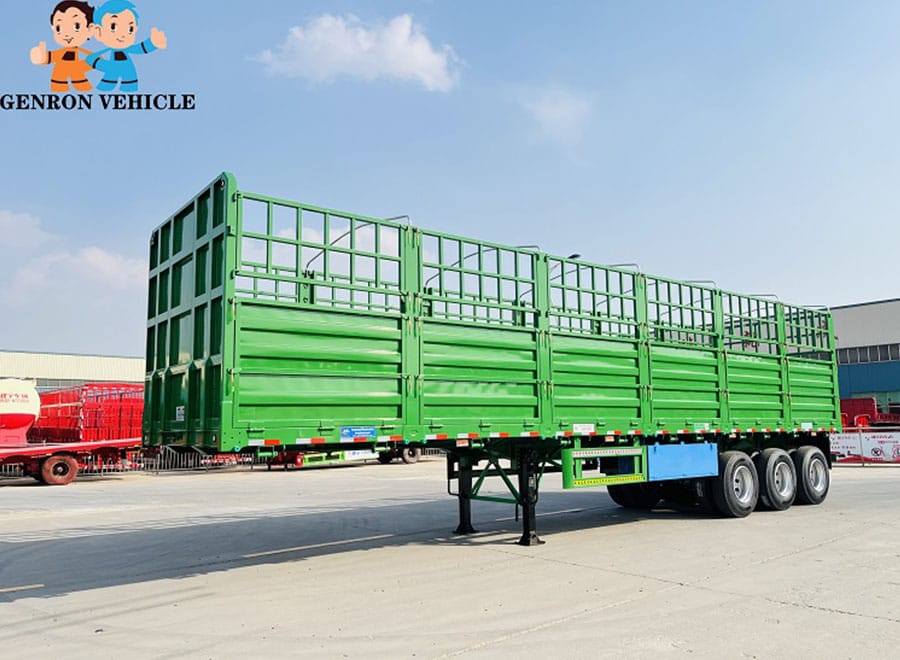
Start With the Current Body Layout
Keep the trailer identity and a drawing or illustrated record of its gate arrangement together. Mark fixed posts, approved removable sections and the locks or retainers associated with them. If a component or layout has been changed, update the record. Inspection findings should refer to the equipment currently fitted, not an older drawing.
Observe Condition and Changes in Normal Operation
Look for visible damage, distortion, missing components and changes in alignment. During checks performed under the approved operating procedure, record binding, unexpected movement or a section that does not remain in its intended position. Do not force a misaligned gate closed or improvise a temporary arrangement to conceal a defect. The workshop needs the observation and location, not an assumed repair.
Include Restraint Access and Loose Body Components
Record the condition and accessibility of the designated securing points used in the operator’s cargo plan. Do not assume a rail, hinge or gate is suitable for restraint merely because it is nearby. Account for removable body components after loading and unloading, and identify missing or mismatched retainers. A replacement request should refer to the affected location and available part markings.
Keep a Defect Log Through to the Service Decision
Record the date, trailer identity, component location, observed condition and photographs. Add the qualified workshop’s decision, replacement designation and follow-up information when available. Use the inspection requirements and intervals applicable to the actual equipment and operation. A short, consistent record is more useful than repeating the same general warning at every inspection.
Body Observation Checklist
| Area | Observation to record |
|---|---|
| Panels and posts | Visible distortion, cracks or damage, and the exact location. |
| Hinges and gate movement | Binding or unexpected movement observed under the approved procedure. |
| Locks and retainers | Missing, damaged or mismatched items; inability to secure the intended arrangement. |
| Removable sections | Missing components and their drawing or part identification. |
| Designated securing points | Condition and loss of normal access. |
Fields for the Defect Log
Date and trailer identification.
Location on the drawing and photograph reference.
Observed condition and when it occurs.
Workshop assessment or service decision.
Replacement identification and follow-up record.
A Question About a Misaligned Gate
Should a gate be forced closed to keep the trailer in use?
No. Record the change and seek appropriate assessment. Serviceability decisions need the actual equipment information and a qualified assessment.
Related Products and Reading
Request an identified body replacement part. Send GENRON the trailer identity, affected location, photos and available markings so the panel, hinge or locking item can be identified.


