
 English
 Français
 Español
 Árabe
 Deutsch
 简体中文
 Português
 Русский
 日本語
 한국어
 हिंदी
 Prancis
 Türkçe
 Tiếng Việt
 Italiano
 ไทย

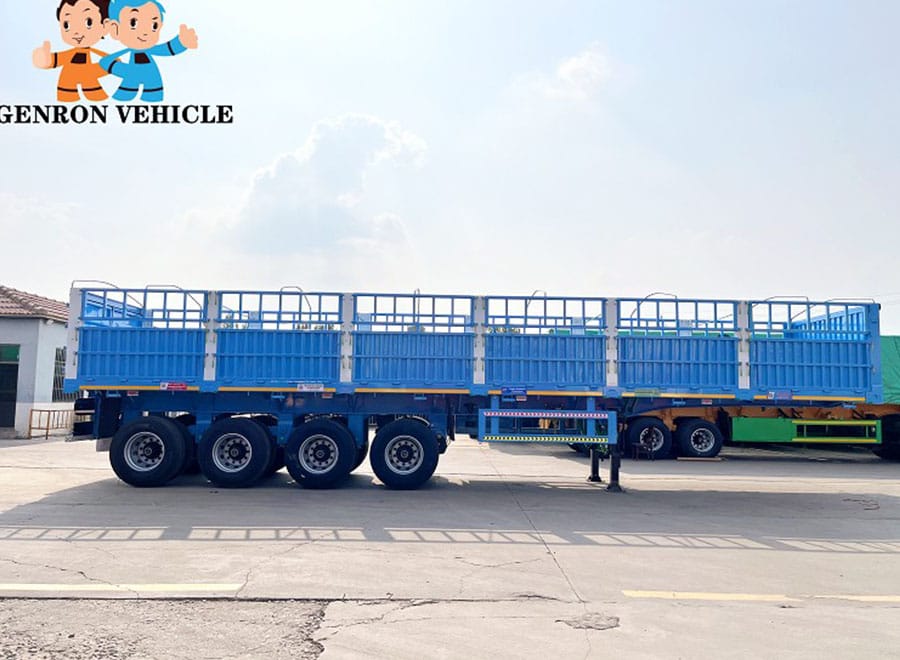
Ordering a tarpaulin by the trailer's deck length and width can leave important details unresolved. The cover may also have to pass over a cargo profile, reach its attachment positions and work around posts or support bows. Its shape needs to correspond to the actual covered arrangement.
For a fence trailer, review the cover and body together. A well-defined enquiry describes what needs protection, how the cover is supported and how the operator reaches the goods at each stop. It also keeps weather protection separate from the cargo-securing system.
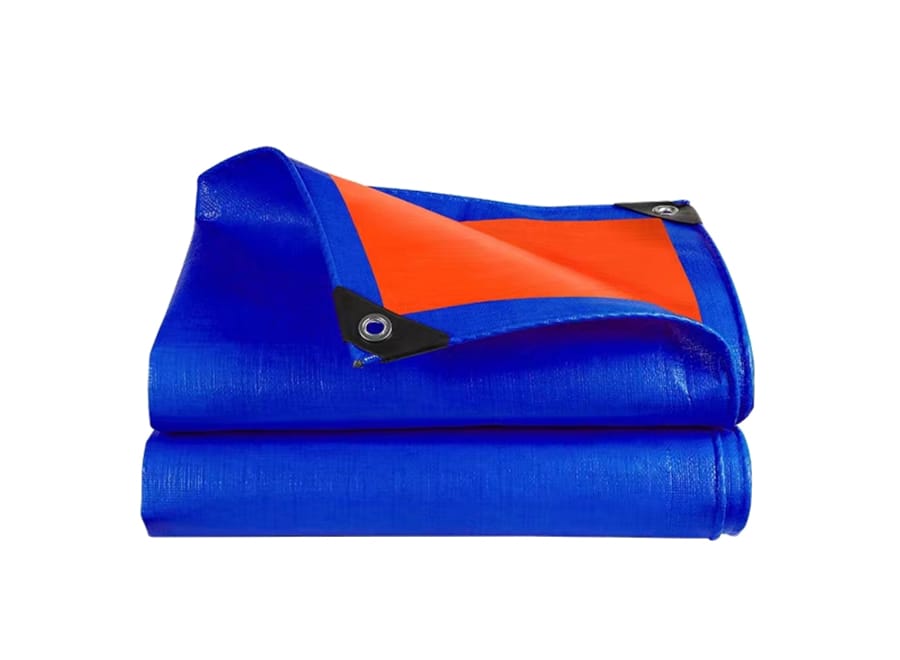
Describe What the Cover Must Protect Against
State whether the main concern is rain exposure, road spray, dust or several of these conditions. Identify goods that can be damaged by moisture and describe their existing packaging. A general request for a waterproof trailer can be misleading when the specified vehicle is an open fence body fitted with a removable sheet.
The cover supplier should explain the performance and limitations of the proposed arrangement. Water-resistant fabric does not by itself establish the weather protection of seams, openings and the complete fitted cover. Where goods need controlled conditions or more complete enclosure, discuss suitable packaging or a different body instead of assuming that an ordinary sheet will satisfy those requirements.
Measure the Covered Profile, Not Only the Deck
Provide body length, outside width and the height of the fence sections. Then show the highest and widest points of the cargo as it will travel. If a separate support arrangement carries the sheet above the load, show that profile instead. Ask for the proposed cover dimensions on a drawing so the measurement basis is clear.
Include the sheet's intended reach and the positions where it attaches. Allowances should come from the agreed cover design, not from a universal extra length added to every trailer. Check whether one cover must suit several load heights. A sheet fitted around one full load may need a different arrangement when the cargo profile changes on a return journey.
Cover Details to Put on the Drawing
| Detail | Question to resolve |
|---|---|
| Covered outline | Does the sheet follow cargo, bows or another defined support profile? |
| Attachment positions | Where are the designated cover fittings, and can they be reached? |
| Openings and overlaps | How are the front, rear and sides intended to close? |
| Loading access | Which sections are moved for side, rear or top loading? |
| Storage | Where are the sheet and removable supports kept when not in use? |
| Supplied scope | Which fittings, supports and handling accessories are included? |
Review Supports, Edges and Water Collection
Ask how the proposed support arrangement holds the sheet and how its fitted shape deals with rainwater. Low areas can collect water, while edges and local contact points can expose the material to wear. The supplier should review the actual profile and identify any protection required at contact positions.
Do not assume that the fence rails are approved supports for every covering arrangement. Show any proposed bows or additional members on the body drawing, including their storage positions if they are removable. Where the cover touches cargo, agree how sensitive packages and vulnerable sheet areas will be protected. These details belong in the design review rather than being left to improvisation after delivery.
Keep Cover Fittings Separate From Cargo Anchors
Ordinary cover hooks and eyelets are not automatically rated cargo-securing points. Their purpose and the separate attachment positions for restraint equipment should be identified. UK load-security guidance states that a cover alone is not sufficient restraint and must be used with other suitable securing measures.
For the actual operation, the responsible transport team must establish the cargo-securing arrangement and confirm destination requirements. A special rated system, if proposed, needs its own identified specification and permitted use; its capabilities should not be inferred from the appearance of an ordinary tarpaulin. The quotation should state whether the item is a weather cover or part of a separately documented securing system.
Walk Through a Multi-Stop Delivery
Start with the first delivery position and show which part of the cover must move to reach it. Check the side opening, posts and space needed for the loading equipment. Repeat the review for later stops, when the remaining cargo creates a different covered profile. A cover that fits a full load may not close in the same way after partial unloading.
Ask the operator to review the proposed routine before ordering. Identify whether the entire sheet is removed, a section is opened or another arrangement is used. Record what happens to removable fittings and supports during unloading. The aim is a configuration that the fleet can manage at its real delivery sites, not simply a neat photograph of a fully covered trailer.
Discuss Handling Without Assuming Roof Access
Applying or removing a large sheet can involve difficult access and manual handling. Ask for the supplier's handling instructions and have the fleet assess the work at its loading sites. Do not assume that drivers will climb onto cargo, fence rails or the sheet supports to complete the job.
If a mechanical covering arrangement is offered, identify its equipment, installation requirements and operating limitations separately. Confirm what is included with the trailer and which parts the site must provide. A manual sheet and a powered system are different quotation scopes, even if both are described as a tarpaulin option.
Order Replacement Covers From a Recorded Specification
Retain the final cover drawing and the material and fitting details against the trailer's fleet reference. Record the supplied dimensions, seam arrangement, attachment pattern and any specific handling information. This gives a replacement enquiry a useful basis beyond the instruction to send another blue cover.
For later inspection, record tears, damaged fittings and areas of recurring contact wear. Have the appropriate supplier or workshop assess repair and replacement needs. A patched sheet may look closed without meeting the original performance requirement. Where the cargo or support profile has changed, review the cover specification rather than treating the previous dimensions as automatically correct.
A Practical Cover Enquiry
Trailer and body drawing reference:
Cargo description and existing packaging:
Weather exposure to address:
Full-load and partial-load profiles:
Cover support arrangement requested:
Front, rear and side closure details:
Cover attachment positions:
Separate cargo-securing arrangement:
Loading methods and delivery stops:
Handling and storage requirements:
Material, fittings and accessories included:
Replacement drawing and instructions required:
Questions About Fence Trailer Covers
Does a tarpaulin make a fence trailer a sealed box trailer?
No. The protection depends on the complete fitted arrangement and its stated limitations. Review sensitive cargo and packaging separately.
Can the same cover suit every load height?
Do not assume so. Give the supplier the range of cargo and support profiles and ask which configurations the proposed cover accommodates.
Related Products and Further Reading
Technical References
The cited guidance concerns UK operations. Confirm the applicable local requirements and the documented role of the equipment supplied for your trailer.
Request a body-and-cover layout from GENRON. Include the cargo profiles, loading sites and weather exposure so the covering arrangement can be discussed alongside the gates and posts.


