
 English
 Français
 Español
 Árabe
 Deutsch
 简体中文
 Português
 Русский
 日本語
 한국어
 हिंदी
 Prancis
 Türkçe
 Tiếng Việt
 Italiano
 ไทย

A fuel tanker intended for several deliveries needs assessment of the loads remaining between stops, as well as the departure load. The purchase specification should describe the intended products, compartment arrangement, delivery pattern and tractor combination so the responsible technical parties can review those conditions. A nominal capacity figure or an initial gross-weight calculation cannot describe the whole route.
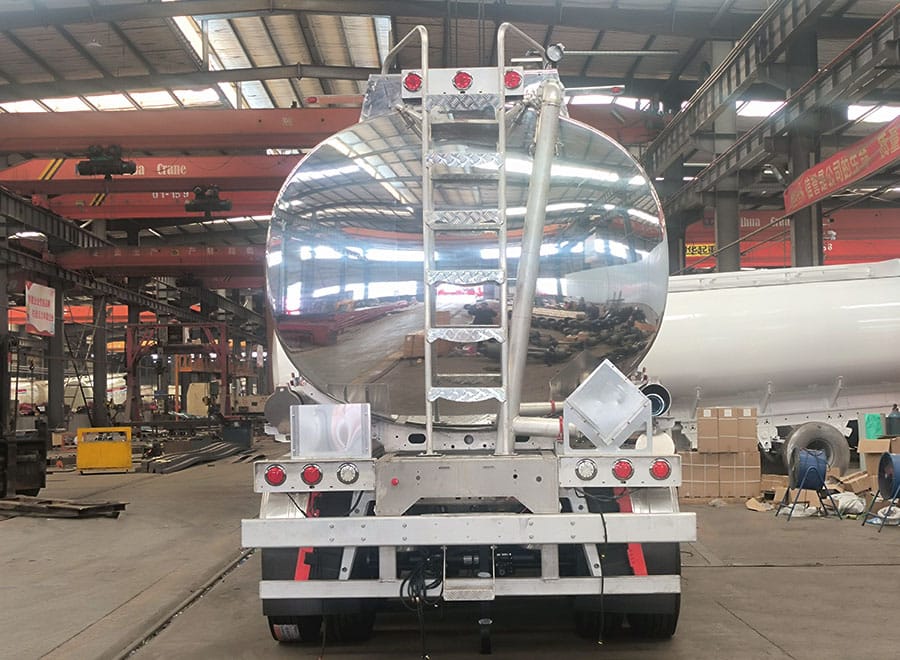
This guide, prepared on 29 October 2026, focuses on purchasing information and technical review scope. It does not provide a loading sequence, a driving procedure or a universal allowable partial-fill percentage. Those instructions must come from the applicable vehicle, tank and operating documentation, supported by the responsible qualified parties.
The fuel tanker capacity guide explains the starting capacity question. The article on capacity definitions in quotations helps separate volume from product mass. For a multi-stop purchase, the next question is whether the proposed tanker has been reviewed for the actual changes in load during the intended work.
Why does the remaining load matter to a buyer?
The departure condition is only the first state of a delivery route. After a delivery, the remaining product quantity and its position within the tanker can change. A route that serves several sites may therefore involve several materially different conditions. The purchasing team should identify the relevant cases so the supplier can explain the assessment and operating-document scope included in its proposal.
Liquid movement is another reason to discuss the real duty. The California Commercial Driver Handbook describes the handling effects of liquid movement in partly filled tanks and the importance of weight distribution. This is background from a driver-training source, not evidence that a specific GENRON configuration has been assessed or that California rules apply in the buyer's market.
For procurement, the practical consequence is to ask better questions before ordering. A statement that the vehicle carries a specified total volume is incomplete for a fleet whose customers regularly receive different quantities. Ask which operating cases the proposal covers, what information is still required and which documents will communicate the assessed conditions to the fleet.
What route information should the supplier receive?
Describe representative routes with the order quantities, products and receiving sites identified. Include the intended departure condition, expected deliveries and quantities remaining at the relevant stages. These records form a requirements brief for technical review. They should not prescribe a loading or unloading sequence before that review has established the acceptable operating arrangement for the actual vehicle.
Explain how flexible the commercial route is. Some customers have fixed delivery windows, while others can be scheduled more freely. A supplier reviewing only one idealized route may miss a common variation that operations cannot avoid. Provide ordinary and difficult cases, and mark the difference between an established contract requirement and a dispatch preference that can be changed.
Include the proposed tractor information and any intended tractor substitutions. Also identify site access restrictions and the installed delivery equipment expected in service. A technically relevant change may arise from the complete combination or equipment placement, even when the total advertised tank capacity stays the same. The review brief should describe the unit the fleet actually intends to operate.
How should the compartment schedule be described?
Ask for a drawing that identifies each compartment by physical position and a consistent identifier. Keep the associated capacity basis and any relevant operating documentation linked to that drawing revision. A list of litre figures without positions makes it difficult to relate a delivery record to the actual vehicle. A drawing without matching identifiers creates a different but equally avoidable problem.
Clarify the proposed arrangement for product separation with the responsible technical parties. A compartment count alone does not describe every relevant internal or external connection, identification feature or delivery-system detail. The supplier should explain the offered scope and the documents required for the intended products. Do not infer compatibility simply because a sales photograph shows several manhole covers.
The existing compartment specification article helps prepare the basic product and order schedule. For partial-load review, extend that information into a record of the relevant remaining-load cases. The purpose is to connect commercial deliveries with the actual reviewed vehicle conditions, while keeping the approved operating instructions under the appropriate technical control.
How can a buyer record load cases without inventing instructions?
Use an enquiry schedule that records the business requirement and asks the supplier to identify its assessment. For each representative case, state the order scenario, intended products, quantities and known commercial constraints. Add a field for the supplier's response, supporting document and unresolved input. This keeps an operational requirement from being mistaken for an already approved procedure.
An illustrative route might start with orders for three sites and leave different quantities after each delivery. At the enquiry stage, the buyer should describe those orders and the scheduling constraints. The responsible parties can then determine the acceptable arrangement and identify any changes the route or vehicle needs. The purchasing spreadsheet should retain that outcome and its conditions.
Record why a case was selected. A low-frequency but unavoidable contract may warrant specific review, while a theoretical combination that dispatch will never use can distract from the actual duty. Ask operations to explain the representative cases and ask the technical reviewer to identify the scope covered. Neither team should assume the other has silently resolved the intermediate conditions.
What questions should be asked about axle and coupling loads?
Request a configuration-specific assessment for the relevant departure and intermediate cases. The response should identify the proposed tractor, trailer geometry, equipped mass assumptions and the reviewed load arrangements. A result that quotes only total mass leaves important questions unanswered. The buyer needs a traceable explanation of the vehicle conditions assessed and any information required from local responsible parties.
Ask how changes will be controlled. A different tractor, revised compartment layout or relocated delivery equipment can affect a previous assessment. The purchase order should identify which changes trigger review and how revised documents are issued. An unchanged tank-volume description should not be used to justify keeping every earlier calculation when the underlying configuration has changed.
At delivery inspection, confirm that the supplied unit and equipment match the reviewed arrangement. The purpose is document reconciliation, not an improvised loading experiment. Where an item differs, refer the discrepancy to the responsible technical parties and obtain the revised assessment or agreed resolution. Keep the resulting documents available to the fleet under its normal operating-document process.
How does the delivery equipment affect route suitability?
Describe the receiving sites and required delivery method in the enquiry. The offered pump, meter, hose equipment and controls should be assessed as a system for the actual products and sites. A longer equipment list does not necessarily make a tanker more suitable. The correct question is whether the proposed installed system meets the defined delivery duty and acceptance requirements.
Separate the product quantity remaining in the tank from any measurement or line-content question associated with delivery equipment. An unexplained difference between dispatched and delivered figures should be investigated using consistent records and the applicable measurement process. It should not be assigned to an assumed standard residual allowance. The equipment supplier and responsible measurement personnel should define the relevant system behaviour and documentation.
Ask who supplies installation, testing, training and acceptance records for the proposed delivery system. These responsibilities can be split between the vehicle supplier, equipment provider and destination workshop. Record the boundaries explicitly, including what will be completed before dispatch and what remains at the destination. A tanker can be physically delivered while parts of the intended operating scope remain outstanding.
How should quotations describe a multi-stop duty?
A useful quotation connects the proposed tank and equipment to the requirements brief. It should state the compartment arrangement, capacity definition, equipment scope and supporting assessment documents. It should also identify exclusions and open questions. General wording such as suitable for all delivery routes makes it difficult to inspect the proposal or compare it with the fleet's actual work.
For a relevant product enquiry, review GENRON's carbon steel fuel tanker semi trailer and aluminium fuel tanker semi trailer families against the current parameter tables. Ask for the configuration suitable for discussion of your duty. A family page does not establish the load cases or delivery-system scope of a particular order.
Compare offers using the same route brief and identify any proposed changes to the duty. One supplier might require a different commercial arrangement or an additional review that another offer leaves unstated. Those differences can affect fleet operation and cost. Resolve them before comparing the prices as though both proposals serve the same routes under the same conditions.
What should the fleet receive at handover?
Agree a document list that identifies the supplied unit, current tank and compartment drawings, equipment records, assessed operating scope and required instructions. Include the vehicle and system identification used in the technical documents. The handover pack should let the fleet match the physical tanker to the proposal and distinguish current documents from superseded quotation material.
Confirm who will explain the supplied equipment and operational documentation to the responsible fleet personnel. A purchasing article cannot replace that handover. The training and operating scope should be appropriate to the actual vehicle, products and destination requirements. Record outstanding actions and the party responsible for closing each one, rather than treating a vehicle photograph as completion evidence.
After the tanker enters the fleet's approved process, use operating feedback to improve future procurement briefs. Repeated schedule conflicts or unexpected equipment requirements are useful evidence for the next order. Send representative route requirements through GENRON's enquiry page so the proposal can address the real duty and make the remaining technical review work visible.
How should cancelled orders and receiving-site changes be addressed?
Include foreseeable commercial changes in the requirements brief. A customer can reduce an order, close its receiving window or become temporarily unavailable. Those events may change the remaining route and load conditions. Purchasing should ask how such changes are handled through the fleet's applicable technical and operating process, rather than assuming the original ideal route covers every variation.
The enquiry can identify representative exceptions without prescribing their operational solution. Explain the business event and the information dispatch would have at that stage. Ask the responsible parties to establish what review, instructions and decision responsibilities are needed. This makes the boundary between a commercial change and an acceptable vehicle operating case explicit before the fleet encounters it in service.
At handover, confirm where the relevant instructions and support contacts are recorded. If the operating process requires escalation for an unreviewed situation, fleet personnel need a practical route to the responsible party. A clear purchasing and handover record supports that process. It should not substitute a generic internet checklist for the actual documentation governing the unit and its intended work.
Frequently asked questions about partial-load tanker procurement
Is a partly loaded tanker automatically acceptable because its total mass is lower?
A lower total mass alone does not describe load distribution, liquid movement or the relevant vehicle and tank conditions. The actual configuration and intended cases need review through the responsible technical and operating process. Purchasing should obtain the supporting documents and conditions instead of assuming that every quantity below the headline capacity is equally suitable for every route or delivery pattern.
Can I specify the delivery order before the vehicle is assessed?
You can describe contractual delivery windows and representative order sequences as requirements for assessment. Keep them clearly identified as business inputs. The supplier and responsible parties should establish the acceptable arrangement and required instructions for the actual tanker. If the duty requires a change, record it explicitly so dispatch does not later treat an unreviewed purchasing example as an approved sequence.
Do more compartments solve every multi-stop problem?
Compartment number is one part of the specification. Capacity, physical arrangement, product separation, delivery equipment and reviewed load cases also matter. Additional compartments can change the offered vehicle and may not match the fleet's actual order sizes. Provide representative product splits and delivery patterns, then ask for a proposal that explains how the relevant requirements will be assessed and documented.
Can a photograph show whether a tanker suits partial loads?
A photograph can help identify the visible vehicle or equipment, but it cannot establish internal arrangements, assessed load cases or operating acceptance. Use drawings, schedules and configuration-specific records for those questions. Image captions and resource names are particularly weak evidence because they may describe a product family or an earlier order with different equipment and documentation.
What if dispatch needs to change the route after purchase?
The fleet should handle route changes through its applicable technical and operating process. Purchasing can help by retaining the original requirements brief, assessed cases and document revisions. A changed product split, tractor or delivery pattern may need review. The important procurement provision is a clear route for obtaining that review and updated documentation, rather than a promise that every future variation is covered.
What should be resolved before accepting the quotation?
Resolve the scope of the proposed tank, products, compartment arrangement and delivery equipment, together with the assessment and operating-document responsibilities. Record any outstanding destination inputs and the stage at which they must be closed. A comparable quotation identifies what is supplied and what remains to be verified. That allows the fleet to judge whether the proposal addresses its actual multi-stop contracts.


