
 English
 Français
 Español
 Árabe
 Deutsch
 简体中文
 Português
 Русский
 日本語
 한국어
 हिंदी
 Prancis
 Türkçe
 Tiếng Việt
 Italiano
 ไทย

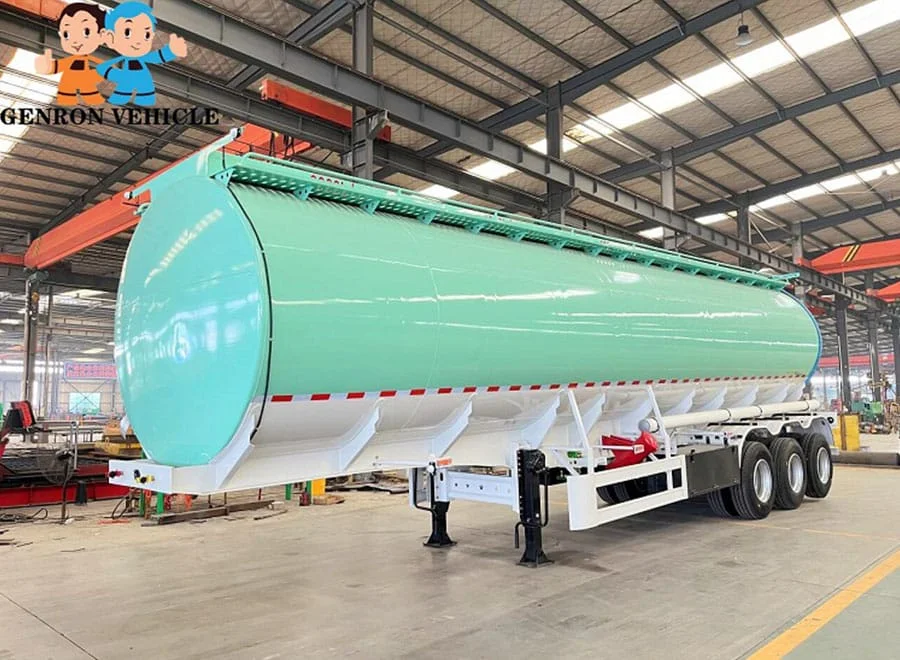
A fuel tanker can have a clearly stated nominal capacity and still arrive without the documents a buyer needs to reconcile deliveries. The missing information is often not another specification number. It is the connection between the physical compartments, their identification, the supplied measurement equipment and the quantity used in the commercial transaction.
Before ordering, separate the transport specification from the measurement agreement. Establish what each capacity figure means, what evidence will accompany the actual tank and who must accept that evidence at the destination. This guide concerns purchasing and document review. It does not establish an approved measuring method, authorise fuel handling or claim that a factory document is legally valid in every market.
Establish which quantity the business needs
Ask the fleet manager, fuel supplier and receiving customer how quantities are recorded today. The loading terminal may issue one figure, the carrier may record another and the receiver may use its own measurement arrangement. Calling all three figures delivered litres can hide a disagreement about where measurement occurs and what conditions the figure represents.
Write down the intended transaction basis before asking for measurement options. The relevant agreement might refer to a terminal record, an accepted installed meter or another authorised arrangement. This is a commercial and technical decision involving the responsible parties, not a choice the tanker salesperson should infer from the desired tank volume. A transport-only purchase and a tanker intended to serve as a measuring system have different documentary needs.
Distinguish nominal capacity from loading permission
Nominal capacity is useful for describing and comparing a tank, but the term needs a definition in the offer. Ask whether the stated figure refers to the complete tank or to a particular compartment arrangement. If several drawings show different layouts, identify which drawing the quoted number belongs to. A single large capacity heading cannot settle those details.
Do not interpret a nominal figure as permission to load that quantity of every fuel on every route. Product properties, accepted filling conditions, equipment limits and the permitted vehicle loading case require separate review. The quantity that can be transported also depends on the actual vehicle combination. A document package should keep those decisions separate rather than label one nominal figure as guaranteed saleable delivery volume.
Request a compartment schedule tied to the drawing
The compartment schedule should identify each compartment consistently on the drawing, external markings and supplied records. Agree how numbering is presented so staff at opposite ends of the vehicle do not reverse the order. A clear orientation note and a matching diagram are more useful than several spreadsheets with unexplained numbers. Ask the supplier to correct inconsistencies before the production drawing is released.
Record the nominal allocation, relevant outlet identity and the document references associated with each compartment. Where the proposed arrangement changes, issue an updated schedule instead of editing only the total capacity on the quotation. The buyer should be able to trace a delivery record back to a physical compartment without relying on the memory of the driver who collected the vehicle.
Ask what a capacity document actually demonstrates
A drawing-based capacity statement, a measurement record and a certificate issued under a recognised programme do not necessarily demonstrate the same thing. Ask the issuer what was assessed, which tank was identified, which method was used and what limitations apply. Review the actual scope rather than treating the word certificate as an explanation of its own.
OIML publishes recommendations addressing road and rail tankers with level gauging. The distinction matters because using a tanker to carry liquid is not the same as using a tank-based system to determine a measured quantity. The applicable edition, local acceptance and required assessment must be confirmed for the intended operation; citing OIML in a quotation does not certify an individual GENRON tanker. OIML: technical work on road and rail tankers with level gauging
Make dip documentation specific and interpretable
If the intended accepted arrangement uses manual level readings, ask what documentation and equipment are included for that arrangement. A dip chart without an identified reference point, corresponding compartment and explanation of the reading convention can be misunderstood. The measurement specialist should define the required records and operating conditions. The purchasing team should verify that those deliverables are explicitly included.
Distinguish a depth reading from an ullage reading in the document review. The supplier should explain the convention used and provide an unambiguous illustration where appropriate. Do not ask drivers to improvise a conversion between incompatible charts. This guide does not instruct anyone to climb onto a tanker or open it for measurement; access and fuel-handling arrangements belong in the operator's approved procedures.
Define the boundary around pipes and retained contents
When comparing quantity records, establish what physical boundary each figure describes. Ask whether the relevant document concerns a compartment alone, an arrangement including defined pipework or another explicitly described system. A diagram should make the boundary understandable to the buyer and the parties accepting deliveries. Undefined phrases such as full discharge capacity are poor substitutes for that explanation.
The same discipline applies to hoses, manifolds and changes made after manufacture. Record which configuration the documentation describes, not merely the model of the tank shell. Any question about retained contents, drainage or a changed transfer arrangement needs the responsible technical and measurement parties to review the actual system. Do not silently deduct an estimated residue and describe the result as a certified delivery quantity.
Keep temperature and reporting basis visible
A quantity record should state its reporting basis wherever that distinction is relevant to the transaction. Ask whether a displayed or printed volume is recorded under actual conditions or reported on another agreed basis. The responsible measurement provider should explain the equipment and documentation needed. Buyers should not assume that every number labelled litres is directly comparable with every other number.
Avoid inserting an informal conversion into an acceptance agreement because it makes two records look closer. Identify the source of each quantity, the relevant conditions, any accepted conversion method and the party responsible for that method. A discrepancy investigation becomes more manageable when the records preserve those distinctions. It becomes harder when staff overwrite the original reading with an unexplained adjusted value.
Treat an installed meter as a separate supplied system
If metered delivery is required, identify the exact system rather than adding flow meter to a general equipment list. Ask what is included in the installed arrangement, which documents accompany it and what work remains before its intended use. The scope may involve installation, interfaces, commissioning and acceptance activities assigned to different parties. Their responsibilities should be visible in the purchase agreement.
Do not use the presence of a meter to imply that compartment documentation is unnecessary, or use compartment documents to imply that an installed meter is approved. They answer different questions. A pump specification also does not establish measurement performance. Compare the offered package against the transaction basis agreed with the fuel supplier and receiver, keeping any unresolved approval or acceptance requirement clearly marked.
Tie every final document to the delivered equipment
Ask for the identification fields that will connect the final tank, its compartments and its measurement equipment to the supplied records. Draft samples are useful for reviewing format, but they should be labelled as samples. Another customer's certificate is not evidence for the tank being purchased. The delivery dossier should identify the actual equipment, not merely contain a convincing-looking example.
Where several nominally identical units are ordered, avoid one generic folder that leaves the buyer to guess which chart belongs to which vehicle. Agree how serial numbers, document versions and equipment identities will be cross-referenced. A digital register can help, provided the originals remain controlled and available. Clear identification also reduces the risk of a replacement document being filed against the wrong unit later.
Compare offers on documentary scope, not just material
The carbon-steel fuel-tanker layout and aluminium-alloy fuel-tanker layout can be starting points for discussing different tank-material requirements. Neither product category establishes the measurement documentation included in a particular order. Ask for a written response describing the exact compartments, intended product service and documentary package proposed for the buyer's operation. Treat a website photograph as an introduction, not evidence of calibration status.
A lower quoted price may exclude activities that another offer includes. Separate factory dimensional records, any stated measurement work, destination acceptance, equipment commissioning, document translation and buyer-arranged inspections. Ask who books each activity, where it occurs and which cost assumptions apply. This makes the comparison more useful without assuming that the most expensive package is automatically the appropriate one.
Review sample documents before the order is fixed
Request representative document formats while there is still time to resolve missing information. The buyer's measurement adviser and receiving customer can then explain what they require for the actual operation. Record their comments against the proposed deliverables. Do not wait until the vehicle is shipped to discover that the receiver expected a different issuing organisation or additional equipment identification.
Set practical review points in the order schedule. Drawing approval should settle the compartment arrangement; later document review should address the delivered configuration and the agreed evidence. If a required approval can only occur at the destination, identify that dependency and the restrictions before it is completed. A contractual promise to provide documents should say which documents, not merely complete paperwork.
Control revisions, repairs and replacement records
Changes to the tank arrangement or measurement equipment may affect the relevance of existing records. Ask the competent provider what review is needed when a relevant change occurs. A fleet should not decide that an old chart remains valid simply because the nominal total capacity on the side of the vehicle has not changed. Keep technical changes linked to documentary review.
Establish a process for lost or damaged records as well. Replacement copies should come through the responsible issuer and preserve the identity and version history. An office spreadsheet recreated from memory is not a substitute for the original evidence. At handover, nominate who stores the records, who can authorise revisions and how operations staff will know which version they are permitted to use.
Plan a discrepancy review before a dispute occurs
Agree how a delivery discrepancy will be documented and escalated. Preserve the original loading and receiving records, equipment identities and relevant operating information. Ask the responsible parties to review the measurement bases before concluding that a nominal compartment allocation should equal a particular invoice quantity. A meaningful investigation needs the circumstances of the transaction, not just two totals copied into a message.
Keep the purchase specification focused on evidence the supplier can actually provide. Avoid asking for a blanket statement that no customer will ever find a quantity difference. A better deliverable is an identified system with defined scope, useful records and a clear acceptance route. That gives the fleet a basis for training, maintenance and commercial discussions after the tanker enters service.
Specify a record that operations staff can actually read
Agree the language, units and presentation of the handover documents with the staff who will use them. A technically detailed record can still be impractical if a compartment diagram is missing or the unit changes without explanation between pages. Ask for a sample completed entry so the buyer can check how equipment identity, measurement basis and document version are displayed together.
Keep the distinction between permanent technical records and routine delivery records clear. The former explain the identified equipment and applicable documentation; the latter describe a particular transaction. They should cross-reference one another without encouraging staff to alter a technical chart to match a delivery. This simple separation helps the fleet preserve original evidence while investigating a commercial question through the appropriate parties.
Frequently asked questions
Is nominal tank capacity the same as certified delivery volume?
No. A nominal capacity describes an identified tank arrangement, while a commercially accepted delivered quantity depends on the agreed measurement system and transaction basis. Ask what each figure represents and which evidence supports it. The actual product and permitted loading case also need review. Do not replace those decisions with the largest litre figure shown in a catalogue or on an early quotation.
Should every compartment have its own identification?
The documentation should make each relevant compartment unambiguous. Agree a numbering convention and orientation, then check that the drawing, physical markings and supplied records correspond. A schedule becomes much less useful if the office calls the front compartment number one while delivery staff use the opposite convention. The final dossier should allow an unfamiliar but properly trained reviewer to follow the same identification logic.
Can one dip chart be used for several similar tankers?
Do not assume it can. Ask the competent issuer which equipment a chart identifies and the basis on which it may be used. Similar external appearance and matching nominal capacity do not, by themselves, establish interchangeable measurement records. For a fleet order, require the agreed link between each delivered unit and its applicable documents rather than distributing one convenient chart to every vehicle.
Does a factory measurement record replace destination approval?
Not automatically. The buyer must confirm what the destination authorities and transaction parties require for the intended equipment and operation. A factory record may be useful technical evidence without satisfying every applicable acceptance requirement. Resolve the issuing scope, required format, timing and responsibility before shipment. Any outstanding destination activity should remain explicitly recorded instead of being described as already completed.
What should be requested when a delivery meter is included?
Request the exact system identity, supplied components, installation boundary, documentation and any remaining commissioning or acceptance work. Confirm whether the arrangement supports the transaction basis the business intends to use. A meter model alone is not a complete delivery package, and a pump's advertised flow rate does not explain measurement performance. Assign responsibility for integration with the actual tanker and receiving operation.
Can a sample certificate be accepted as the final delivery record?
A sample can help the buyer and receiver review the proposed format, but it does not establish the measured condition or accepted status of the unit being delivered. Ask for final records identifying the actual tank, relevant compartments and equipment, together with the issuer and applicable version. Check those identities against the delivered configuration. If an assessment remains outstanding, record that dependency rather than removing a sample label and treating the example as completed evidence.
Product Options to Discuss
Related Reading
Fuel Tanker Loading Interfaces: Top Loading, Bottom Loading and Terminal Acceptance
Fuel Tanker Metered Delivery: System Scope, Measurement Basis and Quote Comparison
Fuel Tanker Capacity on a Quotation: Litres, Tonnes and Volume Definitions


