
 English
 Français
 Español
 Árabe
 Deutsch
 简体中文
 Português
 Русский
 日本語
 한국어
 हिंदी
 Prancis
 Türkçe
 Tiếng Việt
 Italiano
 ไทย

A pre-delivery inspection is most useful when it compares an identified trailer with an agreed specification. A collection of attractive photographs cannot establish that every ordered item is present or that an unresolved change has been approved. The inspection needs a reference set, a clear scope and a way to close discrepancies.
Buyers can organize that process before production is complete. This guide outlines a practical handover record for a semi trailer order, including what photographs can show and what needs other evidence. It is not a substitute for statutory approval, qualified technical inspection or the receiving fleet's serviceability checks.
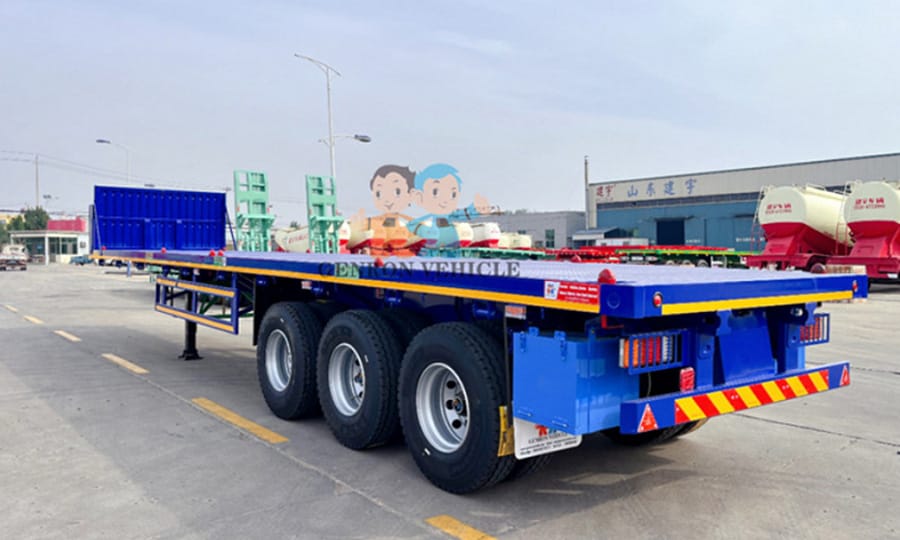
Freeze the Reference Set Before Inspection
Collect the final quotation, agreed configuration, approved drawings and recorded changes. Identify the revision of each document and resolve conflicting information before the inspector starts. If the order changed from one component model to another, the change should be visible in the reference set rather than explained informally at the last moment.
Create a short inspection index that points to these documents. List the items to be confirmed and the evidence required for each. A remote buyer and a local inspector can then review the same specification. Keep commercial dispatch conditions in the appropriate order documents; an inspection checklist should not silently introduce new acceptance terms.
Connect Every Record to the Actual Vehicle
Record the trailer identification provided for the order and photograph the relevant identity markings or plate where appropriate. Use that reference on dimensional records, component lists and condition photographs. If several trailers are ordered, give each its own record rather than relying on one unidentified example for the whole batch.
Where loose accessories or spare assemblies are packed separately, connect the packing list to the appropriate vehicle or batch allocation. Clear allocation avoids a receiving team knowing that an item was shipped somewhere in the consignment but not which trailer it belongs to. Ask the supplier to clarify any identity or allocation difference before handover.
Match Each Question to the Right Evidence
| Inspection question | Useful evidence | Limit of a general photograph |
|---|---|---|
| Is it the ordered configuration? | Approved drawing and identified overall views. | An overview can miss local details and document revisions. |
| Are dimensions correct? | Referenced measurement record and suitable measurement photos. | Perspective alone cannot establish a dimension. |
| Which components are fitted? | Model or part markings and an itemized component list. | Color or appearance may not identify the model. |
| Are accessories included? | Counted packing list with item identification. | A grouped photo may not show quantities or kit contents. |
| Were agreed checks completed? | Applicable test or inspection records. | A finished vehicle image is not a functional test result. |
Use a Photo Plan Instead of Random Images
Request overall views from both sides, the front and the rear, followed by the specific details listed in the inspection index. These might include the coupling area, support legs, wheel equipment, designated securing points and body accessories relevant to the order. Label each image with the vehicle reference and the item it addresses.
For a measured feature, ask for the appropriate measurement record and a photograph that makes the location understandable. Do not infer width or height from a tire, a person standing nearby or another object of uncertain dimensions. The photo plan should help a reviewer find evidence quickly; it should not imply that every technical question can be answered from photographs.
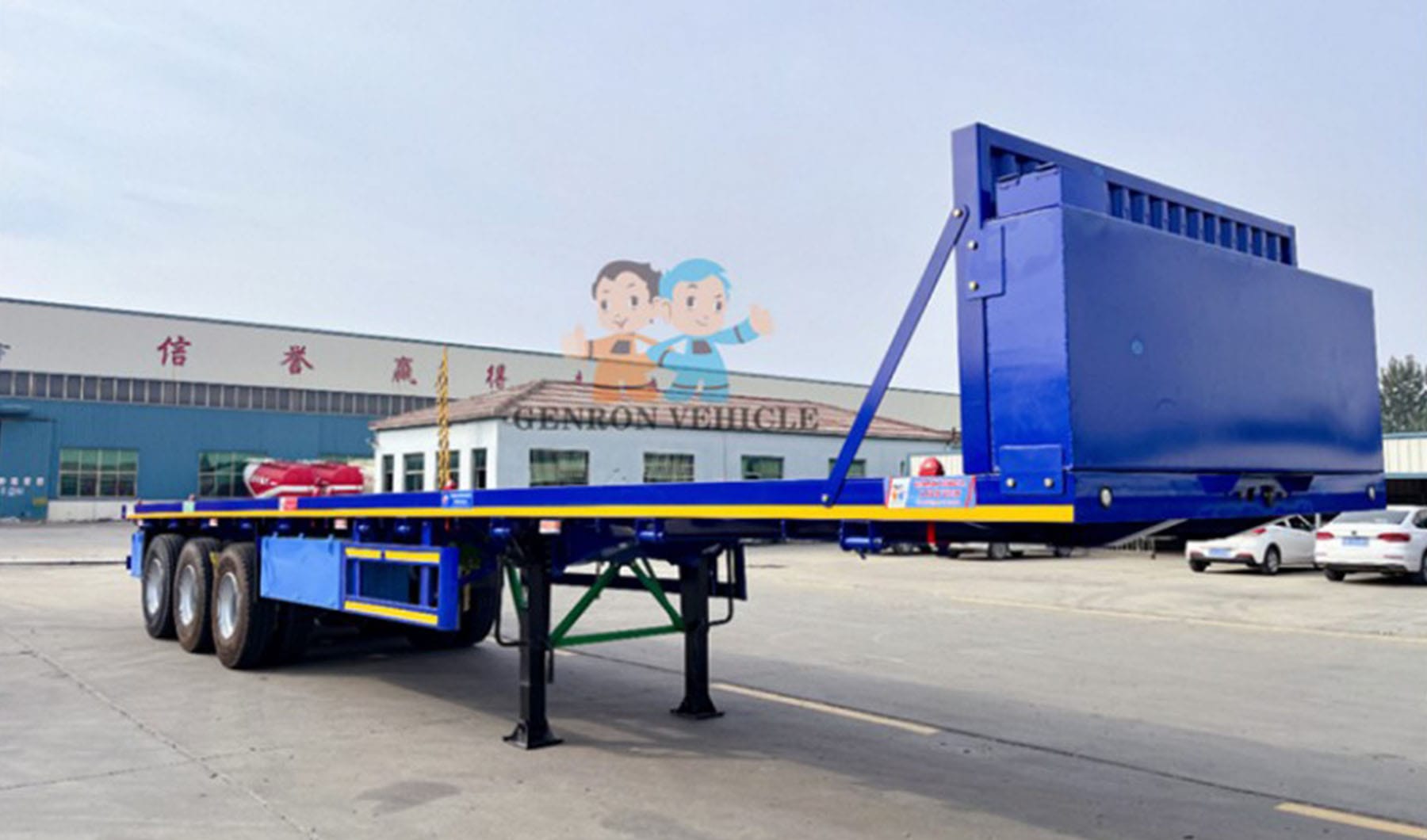
Check the Supplied Scope Item by Item
Separate the fitted vehicle equipment from loose accessories, spare parts and documents. Check the quantity and identification of each agreed item. A spare assembly, a tire without a wheel and a rack are distinct entries. Likewise, a parts kit should have an itemized content list rather than one line saying spare parts included.
Record whether items travel on the trailer, in a separate package or under another agreed dispatch arrangement. If the shipment configuration differs from the service configuration, request the relevant installation and receiving instructions. Photographs of stacked or prepared vehicles should not be interpreted as operating configurations or as permission to reproduce a transport arrangement without professional planning.
Ask for Records of the Agreed Technical Checks
Establish which dimensional, functional or other checks are included and who performs them. Request the corresponding records against the identified trailer. Specialist systems require the inspection and documentation appropriate to those systems; an ordinary flatbed checklist cannot replace the requirements for a tanker or another specialized vehicle.
Have qualified personnel review the evidence and any limitations. Where a certificate, approval or test document is required for the destination, verify its actual scope and applicability rather than treating a generic certificate as proof for every configuration. This article does not declare that any particular approval accompanies every GENRON order. The required document set must be agreed for the specific purchase.
Keep a Discrepancy Log With Clear Closure
For each difference, record the vehicle reference, affected item, expected specification, observed condition and supporting evidence. Ask the supplier for a proposed resolution and identify who will verify it. Use clear status descriptions such as awaiting clarification, correction requested or verified against the agreed record.
A reply saying corrected is not the same as a verified closure. Request evidence appropriate to the issue, such as an updated component record, a new measurement or a qualified inspection report. Do not mark an item resolved merely because a fresh overall photograph looks satisfactory. Keep accepted changes distinct from corrections so the final handover record reflects what was actually agreed.
Prepare the Receiving Team Before Arrival
Send the final record set to the people who will receive and maintain the trailer. Include the vehicle identification, packing allocation, manuals, component schedule and any unresolved items. If a supplier or specialist needs to supervise installation or commissioning, make that requirement visible in the receiving plan.
The receiving team should record arrival condition and complete the checks appropriate to its operation before placing the equipment in service. Dispatch inspection and receipt inspection occur at different stages, so retain both records. This helps later enquiries distinguish the approved specification, dispatch condition and what was observed after transport.
A Copyable Discrepancy Record
Trailer identification and order reference:
Inspection date and document revisions:
Item or location:
Agreed specification:
Observed condition or difference:
Photograph / measurement / document references:
Supplier clarification or proposed action:
Person responsible for technical review:
Evidence required to close the item:
Current status and follow-up date:
Verified resolution or recorded accepted change:
Questions About Remote Inspection
Can photographs replace a qualified inspection?
No. They can document visible conditions and help a remote review, but technical suitability, measurements and functional checks need appropriate evidence and qualified assessment.
Should one inspection record cover an entire trailer batch?
Use an individual identity and record for each vehicle, with a clear batch summary where useful. Specify any agreed sampling separately rather than leaving it implicit.
Related Products and Further Reading
Discuss an order-specific handover record with GENRON. Provide the approved configuration, destination document requirements and inspection scope so the evidence and accessory allocation can be agreed before dispatch.


