
 English
 Français
 Español
 Árabe
 Deutsch
 简体中文
 Português
 Русский
 日本語
 한국어
 हिंदी
 Prancis
 Türkçe
 Tiếng Việt
 Italiano
 ไทย

Two trailers painted the same color can have different protective coating specifications. Color describes the appearance of the finish; it does not identify the substrate preparation, coating products, application conditions or inspection records. These details become particularly relevant when a fleet operates near a coast or stores equipment outdoors.
A useful enquiry explains the exposure and asks for a defined coating system within the supplier's available scope. This guide focuses on the information a buyer can request and compare. It does not prescribe a universal paint thickness or promise a fixed corrosion-free service life.
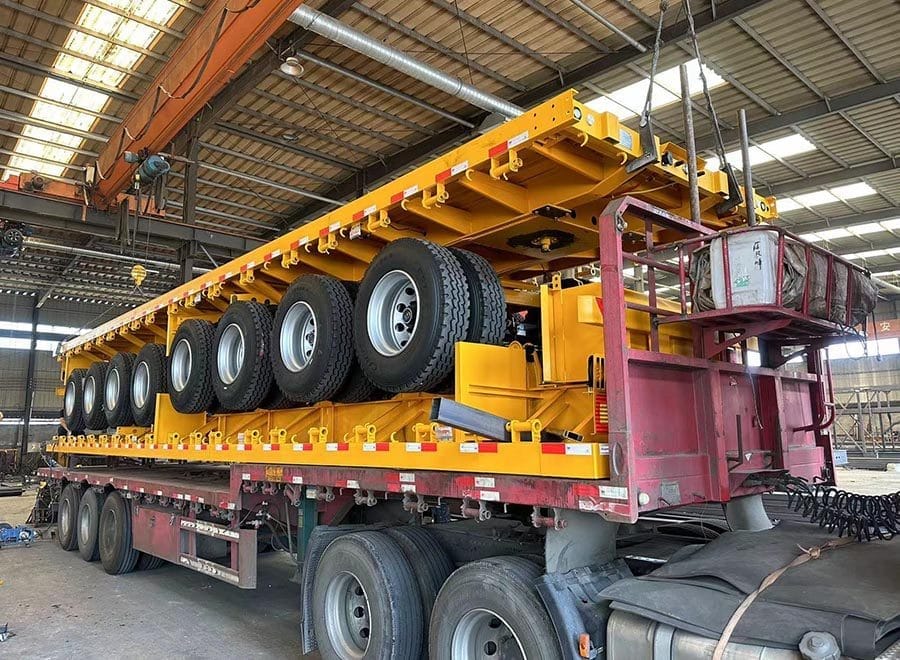
Describe the Exposure the Trailer Will Actually See
State where the trailer will work and where it will stand between journeys. Include outdoor storage, port visits, exposure to salt-contaminated spray and the fleet's normal cleaning arrangements where relevant. Coastal service is not one identical condition: a trailer visiting a port occasionally differs from one stored beside the sea throughout the year.
Provide the expected cargo and explain whether residues or cleaning products may contact the body or chassis. Ask the coating specialist to review relevant compatibility questions. The purchasing team should not assign an environmental category or select a paint product solely from the distance to the coast. Describe the conditions first and obtain a proposal for the actual application.
Separate Color From the Protective System
Record the requested color or reference sample in an appearance field. In a separate technical field, ask for the proposed primer, any intermediate coat and topcoat, together with their product identification. If the supplier offers only a standard finish, ask for its stated specification and limitations rather than assuming an upgraded system is included.
Hempel's corrosion-protection specification guide treats the substrate, exposure, coating system, application process and maintenance as connected decisions. Its examples concern protective coatings for steel structures; they should not be transplanted directly into a trailer order. Use the underlying questions to seek a vehicle-specific proposal from the supplier and the responsible coating specialist.
Appearance and Protection Are Different Order Fields
| Order field | What it should establish |
|---|---|
| Color and visible finish | Agreed appearance, marking positions and any reference sample. |
| Substrate and preparation | Surface materials and the specified preparation before coating. |
| Coating products | Identified products and the proposed sequence of coats. |
| Film thickness | Specified acceptance criteria and the agreed measurement record. |
| Application and cure | Applicable product instructions and readiness for handling or service. |
| Repair information | Compatible repair products and instructions for the supplied system. |
Ask About Preparation Before Asking About Thickness
Surface preparation is part of the coating specification, not a detail that can be inferred from a smooth topcoat. Ask how the relevant surfaces are prepared and which criteria apply before paint is applied. Hempel's technical guidance emphasizes properly prepared surfaces and application methods appropriate to the products used.
For an order, request the preparation information that the supplier can document and include it in the agreed scope. Clarify whether inspection takes place before coating hides the substrate. A finished-vehicle photograph cannot show every preparation step. Do not approve an unspecified process merely because the topcoat looks glossy or because a familiar paint brand appears in the quotation.
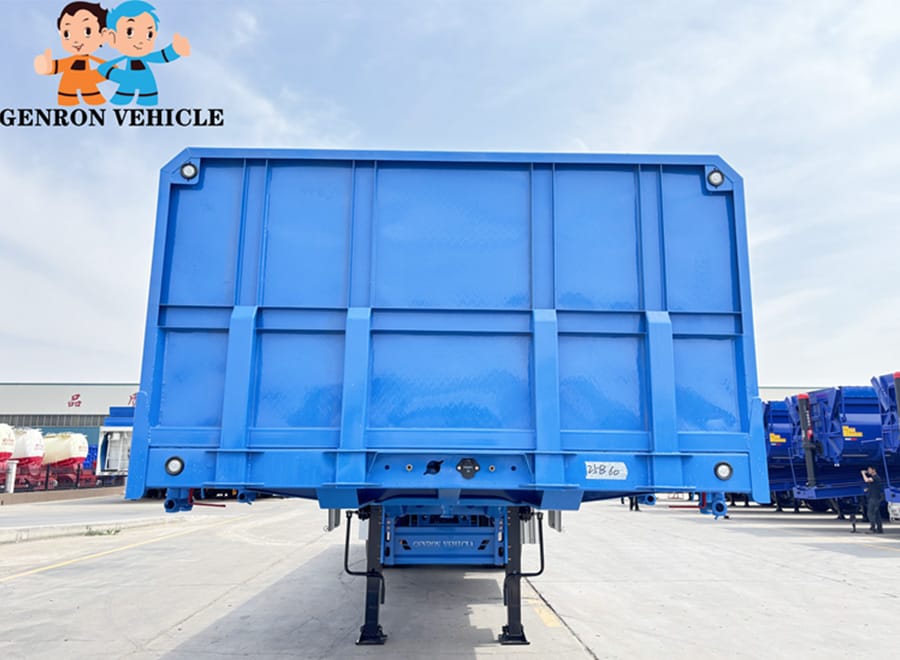
Review Edges, Joints and Less Visible Areas
The exposed side of a body is easy to photograph; the underside of a frame, edges and connection areas can be less visible. Ask which surfaces are included in the proposed coating scope and how relevant details are treated. Request representative close views where they help clarify access and coverage.
Also identify interfaces with components that must not simply be coated indiscriminately. The vehicle and component instructions should determine the appropriate treatment of working surfaces, markings and other functional details. The buyer's role is to request a clear scope and evidence, not to tell the workshop to paint every surface without regard to function.
Agree Inspection Evidence Before Production
If thickness measurements or other coating checks are part of the order, agree their method, locations and reporting format with the supplier and qualified inspector. Ask how the trailer identity and coating products will be linked to the record. A number written on an unreferenced sheet is difficult to use at handover.
Inspection requirements should come from the agreed system and relevant professional guidance. A single measured location does not describe every surface, and a photograph does not replace a thickness record. Likewise, a laboratory test duration should not be converted into years of real vehicle service without valid supporting evidence. Keep acceptance criteria, test evidence and warranty wording as separate items.
Include Handling and Transit Damage in Handover
Agree how visible coating damage will be recorded before dispatch and on receipt. Identify the trailer, affected location, photograph and proposed action. If parts are removed for transport, clarify how their condition and later installation are documented. The handover record should distinguish an unresolved manufacturing issue from damage observed after handling or shipment.
Ask for the specified repair process and compatible materials rather than accepting a generic instruction to touch up scratches. Have the appropriate workshop or coating specialist assess the affected area. Repainting a visible mark can conceal the location without establishing that the original protective arrangement has been restored.
Make Maintenance Information Usable by the Fleet
Retain product identification, available inspection records and the supplied cleaning and repair guidance in the vehicle file. Ask whether any cleaners, cargo residues or storage conditions require particular attention for the specified finish. The fleet needs advice for the coating actually supplied, not a maintenance schedule borrowed from an unrelated structure.
Where the order mentions a durability target or coating warranty, obtain the precise wording, conditions and exclusions. Do not treat a general statement about long service life as a guarantee against corrosion for a fixed number of years. Written scope and a practical maintenance plan give the buyer a clearer basis for comparing standard and optional finishes.
Coating Specification Request
Trailer type and drawing reference:
Operating and storage environment:
Relevant salt, moisture or cargo exposure:
Normal cleaning arrangements:
Color or appearance reference:
Standard or optional protective system proposed:
Preparation and product identification requested:
Surfaces included and relevant exclusions:
Inspection criteria and records requested:
Dispatch and receipt condition records:
Compatible repair and maintenance guidance:
Any warranty wording to clarify:
Questions About Protective Finishes
Does a familiar paint brand confirm the complete specification?
No. Identify the products, surface preparation, application scope and agreed inspection criteria. A brand name alone leaves these questions open.
Can one coating thickness be recommended for every trailer?
No. The appropriate system and acceptance criteria depend on the substrate, exposure and proposed products. Obtain a qualified proposal for the actual vehicle.
Related Products and Further Reading
Technical References
These are general protective-coating references. They do not imply that GENRON uses Hempel products, that a trailer has an ISO coating classification, or that any particular warranty is included.
Ask GENRON to clarify the proposed coating scope. Send the exposure conditions and requested inspection information, then compare the standard finish and any available options on a written specification.


