
 English
 Français
 Español
 Árabe
 Deutsch
 简体中文
 Português
 Русский
 日本語
 한국어
 हिंदी
 Prancis
 Türkçe
 Tiếng Việt
 Italiano
 ไทย

A quotation headed HOWO tractor truck can leave many purchasing questions unanswered. The buyer still needs to know which vehicle is offered, what components and equipment it includes, which trailer it is intended to pull and what the receiving team will actually get. A low headline price is difficult to evaluate while those fields remain open.
This article is a procurement worksheet, not a ranking of HOWO against another brand. It makes no claim about current market prices, universal fuel consumption or the best model for an entire continent. Its purpose is to help a fleet turn several sales offers into a comparison that can be checked.
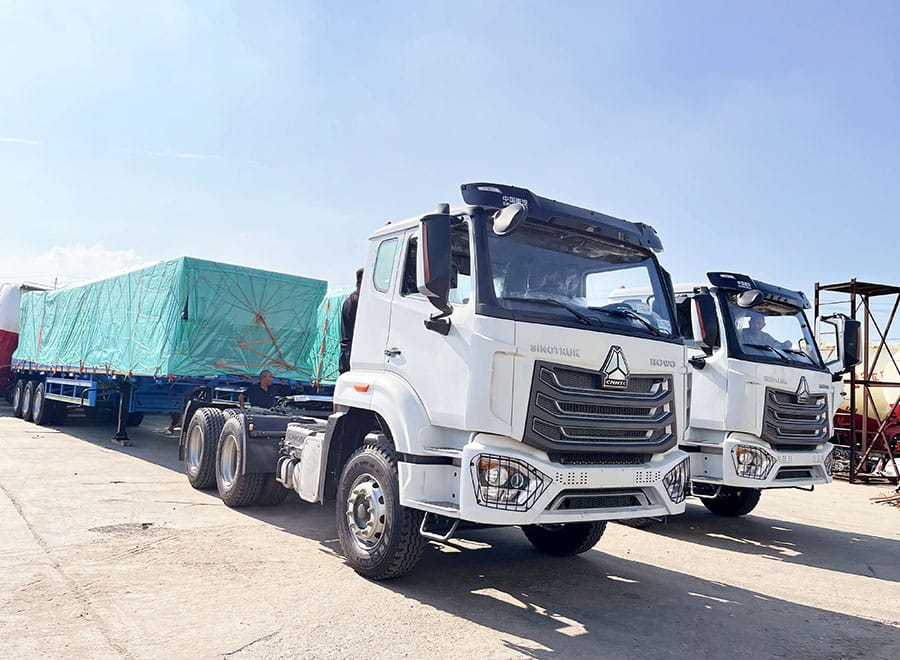
Write the Operating Job Before Comparing the Trucks
Start with the work: cargo and trailer types, usual journey distance, loading pattern, road conditions and the receiving and maintenance arrangements. Identify the operating country and the parties responsible for local vehicle requirements. A truck selected for one duty should not be described as suitable for a different duty solely because both involve a semi trailer.
List the trailers the tractor is expected to use, including their identification or proposed drawings. State whether the operation includes a tanker pump, tipping hydraulics or other equipment requiring a defined power supply. A general tractor offer may not include the components needed by that equipment.
Give suppliers the same brief. If Offer A is based on one trailer and Offer B on another, the technical differences may reflect different assumptions rather than a clear advantage. Keep the brief with the comparison so that later price revisions can be traced to a change in scope.
Core Fields for a Like-for-Like HOWO Comparison
| Field | Record from each supplier |
|---|---|
| Vehicle identity | Exact model designation, condition, relevant build information and supporting specification. |
| Engine | Engine designation, stated power and the documented configuration offered. |
| Transmission and driveline | Transmission designation, axle specification and ratio where relevant to the assessment. |
| Trailer connection | Fifth wheel, mounting arrangement, connection geometry, air and electrical interfaces. |
| Duty-specific equipment | Hydraulic or other power-supply scope, controls and integration responsibilities. |
| Delivered package | Cab equipment, tires, spares, documents, shipping preparation and stated exclusions. |
Use Exact Designations Instead of Horsepower Alone
Horsepower is one specification field, not a complete truck identity. Request the engine designation and supporting vehicle configuration sheet. Keep the units and stated rating basis clear. Do not assume that two similarly advertised power figures mean the same engine, installation or complete driveline.
Apply the same discipline to the transmission and axles. Record designations rather than replacing them with heavy-duty or export quality. The responsible technical team needs the actual proposed combination to assess the intended work. A buyer should not select a driveline from a short marketing label or an isolated component rating.
If one offer specifies components and the other leaves them open, mark the second offer as incomplete rather than assigning it the most favourable possible interpretation. This prevents a comparison sheet from creating equivalence that neither supplier has actually committed to provide.
Clarify Vehicle Condition and Identification
State whether the enquiry concerns new, used or refurbished vehicles. These categories need different records, and the distinction should appear in the commercial documents. Do not infer condition solely from fresh paint or a recent photograph. For an identified vehicle, link the inspection and condition records to that vehicle.
Ask what identification and configuration documents will be supplied and which details can be checked before dispatch. Where a quotation initially describes a proposed build rather than an allocated vehicle, retain that distinction. A generic specification sheet is not the same evidence as records for the particular truck being delivered.
For used or refurbished vehicles, agree the inspection scope, recorded condition and declared work completed. This article does not provide a universal inspection standard or a valuation method. The purchasing team should use an appropriate independent or qualified inspection where the transaction requires it.
Confirm the Tractor-Trailer Interfaces as a Package
The fifth-wheel entry should identify more than a coupling size. Include the manufacturer or designation, mounting arrangement and the relevant connection geometry in the review. Share the trailer information so the supplier is assessing a defined combination, not an unspecified future trailer.
Record air and electrical connections in the same schedule. A matching-looking plug is not a complete compatibility assessment; the documented electrical system and connection functions matter. Have the relevant personnel establish the interfaces for the tractor and trailer rather than relying on an adaptor as a universal solution.
If hydraulic equipment is needed, distinguish a complete agreed package from a provision for later installation. Identify the equipment supplied, who is responsible for integration and what operating documents will be available. Resolve missing scope before comparing the price of a truck with installed equipment against a truck without it.
Three Common Gaps in a Price Comparison
| Apparent similarity | What may still differ | How to resolve it |
|---|---|---|
| Same advertised power | Engine designation, driveline and offered build. | Obtain the component schedule and duty assessment. |
| Both described as trailer-ready | Fifth wheel, connections and duty-specific equipment. | Review the actual tractor and trailer interfaces. |
| Both quote a delivered truck | Shipping preparation, documents, spares and receiving work. | Write an inclusion and exclusion schedule for both offers. |
Make Fuel and Maintenance Claims Comparable
Treat an operating-cost promise as a claim requiring a basis. If fuel consumption is quoted, request the conditions behind it: the identified truck, load, route, measurement method and relevant operating factors. Do not turn a result for one duty into a saving guaranteed for every fleet.
For service support, ask which workshop or parts channel will support the specific configuration. A general claim that parts are available locally is weaker than a verified contact, a component identification list and a clear process for obtaining the correct parts. The buyer can then check that support against its actual operating location.
Maintenance provisions should refer to the supplied vehicle and component documents. Do not insert a generic service interval copied from another engine or model into the purchase specification. Agree the manuals, recommended consumable specifications and support responsibilities for the configuration actually ordered.
Compare Delivered Scope Before Comparing the Final Number
Create an inclusion and exclusion list for items such as spare assemblies, tools, cab equipment, manuals, shipping preparation and any agreed inspection records. State the delivery location and commercial scope clearly. If an item is still subject to confirmation, keep it visible rather than assigning it a guessed cost.
For shipping and arrival, identify who handles the agreed preparation and receiving tasks. A truck shown fully assembled in a sales picture does not establish the condition or work scope at the destination. Obtain the relevant packing or shipment information for the actual method chosen.
Separate technical acceptance from price negotiation. First establish which offers meet the documented requirements and which remain incomplete. Then compare the commercial terms on that common basis. This approach does not guarantee the lowest whole-life cost, but it makes the purchasing decision explainable and the supplier’s commitments easier to check.
Keep One Approved Configuration Through to Handover
Give the final specification a revision identifier and retain it with the purchase order. Record agreed substitutions or changes rather than accepting them informally. Where a change affects trailer compatibility, local acceptance or duty-specific equipment, have the relevant assessment revisited before dispatch.
At handover, use the approved schedule to reconcile vehicle identification, fitted components, included equipment and documents. Photograph relevant identification plates as part of a private receiving record where appropriate. Any missing item should have an owner and a resolution, not simply disappear from the comparison after payment.
HOWO Tractor Truck Quotation Review Sheet
Operating duty and destination:
Trailer models and relevant drawings:
Vehicle model, condition and identification basis:
Engine designation and rating documentation:
Transmission designation:
Axle specification and relevant ratio:
Fifth wheel and mounting arrangement:
Air and electrical connection details:
Duty-specific power or hydraulic equipment:
Tires, spares, tools and cab equipment:
Inspection, manuals and support scope:
Shipping and arrival responsibilities:
Exclusions and unresolved items:
Final agreed configuration revision:
HOWO Quotation Questions
Are two offers equivalent if both say 6×4 and show the same power?
No. Compare the exact vehicle and component schedules, condition, trailer interfaces and delivered scope. The headline fields leave important details unresolved.
Should I select the lowest advertised fuel-consumption figure?
Only compare figures with an appropriate and comparable evidence basis. Unspecified operating conditions do not establish the result your fleet will obtain.
Does trailer-ready mean tipping equipment is included?
Not necessarily. Define every required power-supply and integration item explicitly and confirm what is included in the actual offer.
Can the final inspection use the original sales brochure?
Use the agreed final configuration and inspection scope. A general brochure may not identify the allocated vehicle, approved changes or included accessories.


