
 English
 Français
 Español
 Árabe
 Deutsch
 简体中文
 Português
 Русский
 日本語
 한국어
 हिंदी
 Prancis
 Türkçe
 Tiếng Việt
 Italiano
 ไทย

A container chassis can match the required container and still be unsuitable for the tractor that will pull it. Coupling height, clearance, equipment compatibility and the complete vehicle combination need to be checked together. An axle count and a kingpin size do not answer all of these questions.
Give the supplier a tractor record alongside the container schedule. If several tractors share the chassis, provide a record for each configuration. The goal is to identify the combinations the fleet can actually use, rather than checking only the first tractor available at the depot.
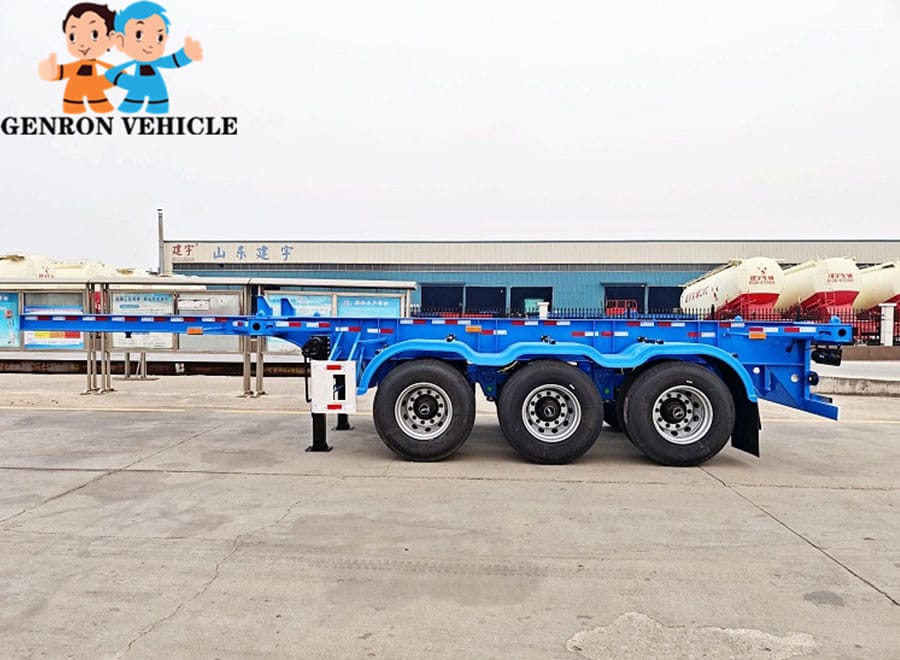
Use the Same Reference for Every Height
A height quoted for a fifth wheel component may be a mounting dimension above the tractor frame. A tractor coupling height may instead be measured from the ground to the coupling surface under defined conditions. Those numbers are not interchangeable. Ask the supplier to state the reference point and the conditions associated with every height used in the comparison.
JOST's mounting information describes different fifth wheel and mounting plate heights for matching existing trailer systems. For the actual tractor, use the vehicle and coupling documentation, including the fitted mounting arrangement. Record relevant tire and suspension information. Do not use a convenient parked measurement as a substitute for the specified conditions required by the equipment manufacturers.
A Tractor Record for Chassis Matching
| Record item | Information to provide |
|---|---|
| Vehicle identification | Manufacturer, model, axle configuration and the particular tractor configuration. |
| Fifth wheel | Manufacturer, designation, fitted mounting arrangement and available technical data. |
| Coupling height | Reference surface and the conditions under which the height is specified or measured. |
| Tires and suspension | The fitted equipment relevant to vehicle height and the combination assessment. |
| Rear equipment | Items around the coupling area that may affect access or clearance. |
| Air and electrical connections | Connection types and available brake, ABS or other system information. |
| Operating requirements | The containers, expected loads, route and requirements already confirmed by the operator. |
Check the Coupling Specification Beyond the Pin Size
The kingpin and fifth wheel need corresponding specifications, but a size match alone does not approve the complete connection. The coupling designation, mounting arrangement and permitted application also matter. Keep the technical data with the tractor record and ask the supplier to identify any information still needed for the combination assessment.
If the fleet uses different coupling equipment, list those differences explicitly. Do not describe all tractors as standard units and leave the supplier to infer their equipment. A proposed change to the coupling or its mounting is a separate technical matter. It should follow the applicable manufacturer instructions and approval requirements, rather than being treated as a simple adjustment to make the trailer look level.
Look for Clearance Problems Around the Connection
The combination needs room for its intended movements, not only for a straight-ahead photograph. Provide information about the tractor's rear frame area, fenders, cab equipment and other relevant obstructions. The supplier should check the chassis drawing against the actual tractor arrangement and identify the clearance conditions considered.
Container position can also change the combination's envelope. A drawing should show the specified container arrangement, not just the bare chassis. Ask which conditions have been checked, including the relevant turning and articulation requirements. Do not create your own clearance limit from a photo or assume that a combination suitable for one container arrangement is suitable for every other position on the chassis.
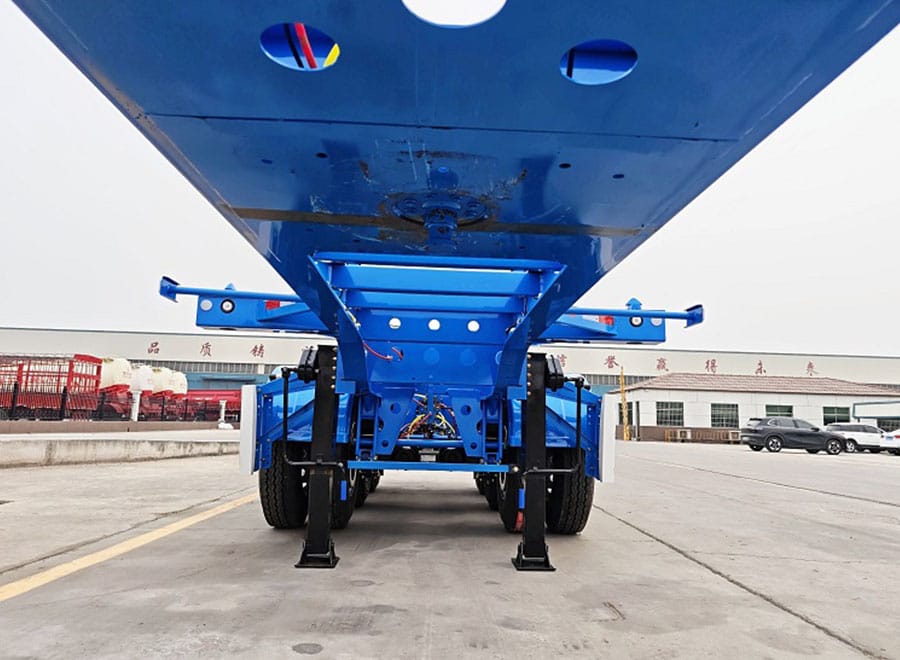
Include Support Legs and Connection Access
The support legs, their travel and the chassis connection area need to suit the intended vehicle arrangement and site use. The supplier should identify the equipment and its operating range. A nominal support-leg rating does not describe the available height adjustment, ground interface or room needed to operate the equipment.
Also describe how the fleet accesses its air and electrical connections. The types, reach and routing of those connections need to correspond with the actual installation and movement requirements. The brake and electrical systems require their own compatibility checks. This is a specification review, not a coupling procedure; operators should use the instructions supplied for the tractor, chassis and fitted equipment.
Assess the Loaded Combination
A container's gross mass includes the container and its contents. Its position on the chassis affects the load transferred through the vehicle combination. Record the container arrangements and load information used in the enquiry so the supplier and the operator's technical adviser can assess them against the relevant vehicle data.
Separate equipment ratings from the locally applicable operating limits. A trailer product description, coupling rating or axle rating does not by itself establish the load that the complete combination may carry on a particular route. Identify the countries and routes involved and obtain the appropriate local confirmation. This is especially important when a chassis will be exchanged between tractors or used across borders.
Build a Fleet Compatibility Register
An illustrative fleet may have two tractors with similar model names but different tires or fifth wheel mounting arrangements. One check on the first tractor would leave the second combination unresolved. Create a register listing each tractor configuration, the chassis configuration and the container arrangements reviewed for that combination.
Use clear entries such as confirmed, awaiting information or not included in the assessment. Keep the supporting drawings and documents with the register. If a tractor's coupling, suspension or other relevant equipment changes, review the affected entry before continuing to treat it as the same combination. The register is most useful when it identifies configurations precisely instead of using a broad fleet nickname.
Copyable Combination Review Request
Tractor identification and configuration:
Fifth wheel manufacturer and designation:
Fitted mounting arrangement:
Coupling height reference and specified conditions:
Relevant tire and suspension information:
Rear frame, fender and cab equipment:
Chassis model or proposed drawing:
Container types, positions and gross masses:
Air and electrical connection details:
Operating country and route:
Other tractors expected to use the chassis:
Unresolved compatibility questions:
Height and Fleet Questions
Is the fifth wheel's catalogue mounting height the tractor's height from the road?
Not necessarily. Check the catalogue's reference point. A dimension above the frame and a dimension from the ground to the coupling surface describe different measurements.
Can a chassis be approved for a fleet by checking one tractor?
Only if that assessment genuinely covers the relevant configurations. Identify the tractors and their fitted equipment rather than assuming that similar vehicle names mean identical combinations.
Useful Products and Further Reading
Technical References
The reference explains JOST mounting arrangements. Use the actual tractor, coupling and chassis documentation for the combination under review.
Request a tractor-and-chassis review from GENRON. Attach the tractor records and container schedule. Ask the proposal to identify the combinations reviewed, the connection equipment supplied and any information still required.


