English
 Français
 Español
 Árabe
 Русский
 Deutsch
 简体中文
 Português
 日本語
 한국어
 हिंदी
 Prancis
 Türkçe
 Tiếng Việt
 Italiano
 ไทย

A fuel tanker quotation is comparable only when the buyer knows what is included. Two offers with the same nominal volume can cover different discharge equipment, documentation, inspection work and delivery arrangements. The purchase decision should therefore compare a defined scope before comparing the total price.
This article focuses on exclusions and responsibilities. It complements the existing fuel tanker RFQ checklist, which covers the information required to start an enquiry.
Identify the equipment supplied with the vehicle
Ask for an itemised equipment list tied to the proposed drawing. A statement such as “complete tanker” does not establish whether a pump, meter, hose reel or particular connection is included. Record the manufacturer and model where these have been selected. Where an item remains undecided, label it as provisional rather than treating the illustration as a commitment.
For each item, identify who supplies it and who installs it. A buyer-supplied meter may still require mounting, wiring or other integration work. The quotation should explain the boundary between the supplied vehicle and equipment installed locally. This prevents the same task being priced twice or omitted by both parties.
Clarify documents and inspection deliverables
Request a list of documents supplied at handover and identify the vehicle to which they will apply. A generic catalogue is different from a record issued for a particular tank. Ask which checks are included in the purchase scope, which require a third party and which are the buyer's responsibility in the destination market.
Do not turn a supplier's willingness to discuss a standard into a claim that an approval already exists. If a particular certificate is required, state the document name, issuing body and acceptance requirement. Have the responsible local adviser confirm what the receiving operation actually needs before placing the order.
Establish the delivery boundary
The location at which a supplier's delivery responsibility ends affects the costs that follow. Ask the quotation to identify the delivery location, transport arrangement and documents provided. Separately identify unloading, local movement, registration and preparation for service where these fall outside the vehicle supply.
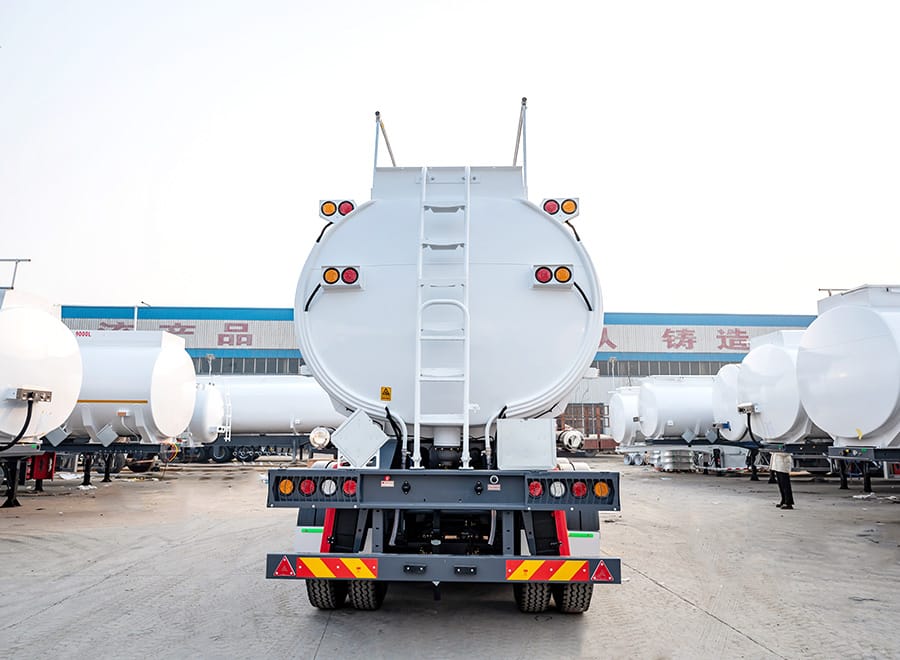
A shipment photograph cannot establish that every arrival task is included. For example, loose equipment may require checking or installation at destination. Request the packing list and arrival work list before shipment so the receiving team can prepare the people and equipment required. The contractual allocation of these tasks should be agreed directly by the buyer and seller.
Compare a complete operational specification
Build a comparison using the same task description for both offers. If one proposal includes a pump and the other relies on a receiving facility, the price difference reflects a different operating arrangement. Ask whether either arrangement is suitable for the intended customers before deciding which is better value.
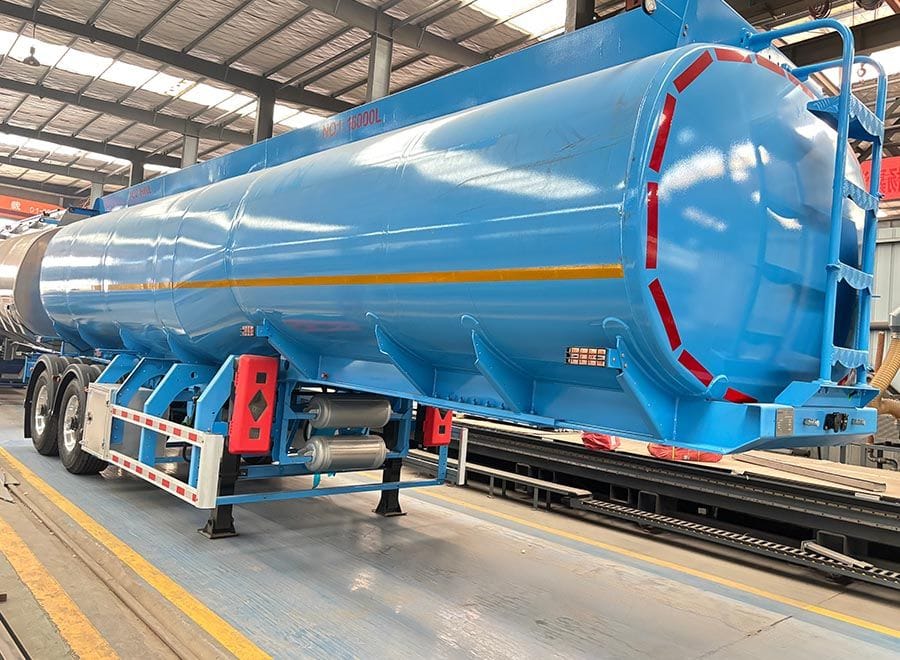
The GENRON carbon steel tanker and aluminum tanker provide starting points for configuration discussions. Use the current parameter table for model details and request a quotation for the same equipment scope. Do not assume that the material choice alone explains a difference in price or equipped mass.
Close unresolved items before order approval
Maintain a short list of open decisions with an owner and an agreed response date. Typical entries include connection selection, instrument documentation and the scope of local installation. Record the final decision in the order documents instead of leaving it only in a chat message.
Request a revised quotation whenever a material item changes. Keep the revision number aligned with the equipment list and drawing. A useful final review asks whether the buyer can identify every item required to move the vehicle from delivery to its intended service, and whether responsibility for each item is clear.
Frequently asked questions
Is the lowest quoted price necessarily the lowest complete cost?
No. Compare the included equipment and the work required after delivery before assessing the total cost for your operation.
Does a product photograph define the supplied accessories?
No. Use the written equipment list and agreed drawing. Photographs may show a different configuration.
Can the buyer supply the meter?
This can be discussed, but installation interfaces, documentation and responsibility must be defined before the configuration is approved.
Should inspection be treated as included by default?
No. Ask which inspections and records are included and identify any separately arranged work.
What happens if the receiving site's connection changes?
Submit the revised interface information and request a documented review of the affected equipment and quotation.
What should I request in the final offer?
Request a dated specification, equipment list, drawing reference, exclusions, handover documents and delivery scope, with remaining assumptions clearly identified.