
 English
 Français
 Español
 Árabe
 Русский
 Deutsch
 简体中文
 Português
 日本語
 한국어
 हिंदी
 Prancis
 Türkçe
 Tiếng Việt
 Italiano
 ไทย

Standardising a fuel tanker fleet means controlling the equipment and interfaces that the operation relies on. Ordering vehicles with the same tank volume or appearance does not guarantee interchangeable parts, common delivery connections or identical documentation. A repeat order should refer to an approved configuration and identify every proposed change.
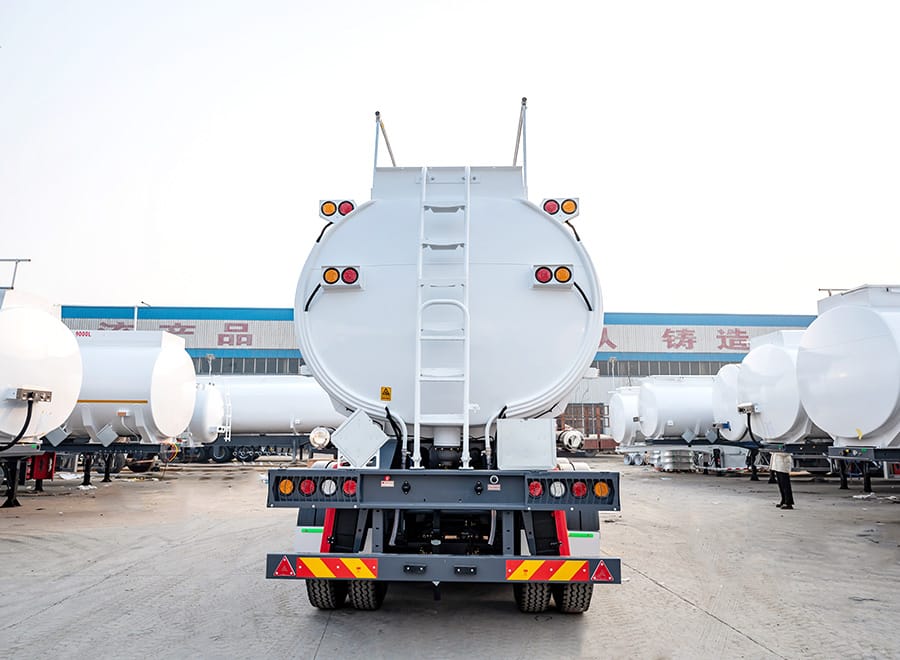
The practical objective is to reduce avoidable variation while preserving the equipment needed for each route. A fleet serving different terminals may require more than one approved configuration. This guide explains how to record those differences before the next order.
Define what must remain common
Start with the components and interfaces used frequently by the operating and maintenance teams. These may include delivery connections, hose specifications, instrument models and service parts. Ask each team which variations cause delays or identification problems. Prioritise those items instead of requesting that every detail be identical without a business reason.
Record a complete part or model reference where one exists. A familiar trade name or a photograph is usually insufficient to establish interchangeability. Keep installation information with the component record, because the same component can be installed in different arrangements. Any proposed substitute should be reviewed against the actual application.
Separate common equipment from route-specific equipment
A terminal connection used on one route may not match another facility. Create a configuration list for each operating group, identifying the common base and the approved differences. Make the route or customer group visible in the order reference so a vehicle cannot be assigned solely by its nominal volume.
Before extending a configuration to a new contract, obtain the new site's requirements. Ask the supplier to review the affected interfaces and equipment scope. Avoid assuming that equipment accepted at one location is automatically accepted at every destination. The relevant site operator must confirm its requirements.
Preserve the actual delivered configuration
The procurement record should end with the equipment actually delivered. Compare the final parts list and drawings with the purchase specification, recording approved substitutions. Retain the vehicle identification and the component references needed for future support. An unrecorded substitution can make a repeat order appear correct while introducing an unexpected maintenance difference.
Give the maintenance team access to the final record. A parts list stored only with purchasing is less useful when a vehicle requires service. The fuel tanker spare parts identification guide explains why identification must precede replacement ordering.
Evaluate a change before making it the new standard
A different pump, connection or compartment arrangement may be justified by a new job. Identify the affected vehicles, documents, training and spare holdings before approving the change. Ask whether the revised component can be supported alongside the existing fleet and whether similar-looking parts need different storage labels.
Do not reject every change merely to preserve uniformity. Compare the operational benefit with the additional support work. Record why the new configuration was selected and whether it applies to all future orders or only to one contract. This creates a usable decision history for the next buyer or fleet manager.
Specify repeat orders by revision
Send GENRON the approved configuration reference, the new duty description and a list of requested differences. For a carbon steel fuel tanker semi-trailer, ask for a deviation list showing any proposed departure from the reference vehicle. Review the current product specification rather than relying on an old catalogue copy.
The order review should distinguish unchanged items, requested changes and supplier-proposed substitutions. Close each open item before manufacture. At handover, use the same list to confirm what was supplied, then update the fleet register. Standardisation works when records follow the vehicle throughout its working life.
Baseline vehicle
For the baseline vehicle review, collect the signed equipment schedule and as-built drawing. Match the evidence to the serial number on the accepted reference vehicle before treating it as part of the offer. Give the comparison sheet a source column with a document identifier, a date and the person who supplied it. If a record only describes a product family, mark it as background and ask for the details applicable to the proposed equipment. That distinction matters because the approved record identifies what the fleet can actually repeat. Keep the underlying document with the review so someone joining the order later can understand the decision without reconstructing it from messages.
Consider this illustrative situation: a catalogue image belongs to an earlier production run. Write down what is known, what still depends on a supplier response and which decision could change if the answer is different. The buyer can then ask one specific question and send the relevant record with it. Ask the respondent to identify the scope of the answer and state any condition that must be met. For a conditional response, note the condition in the comparison sheet, name the person who can resolve it and identify the decision that must wait. This gives the commercial and operating teams the same evidence when they review the proposal.
At the approval meeting, check whether the answer is reflected in the latest documents and whether both parties are reviewing the same revision. Record the accepted position in the order and give the receiving team a practical way to check it. If the answer cannot be confirmed until delivery, agree on the evidence the receiving team should request and how it should report a discrepancy. When the vehicle or assignment changes later, pull the record back into review and identify the affected documents. A brief note recording what changed and why makes the next review faster and keeps the original decision traceable.
Terminal interfaces
For the terminal interfaces review, collect written connection requirements from each receiving site. Match the evidence to the terminal named in each dispatch record before treating it as part of the offer. Give the comparison sheet a source column with a document identifier, a date and the person who supplied it. If a record only describes a product family, mark it as background and ask for the details applicable to the proposed equipment. That distinction matters because the order needs a route-specific exception. Keep the underlying document with the review so someone joining the order later can understand the decision without reconstructing it from messages.
Consider this illustrative situation: a second customer uses a different connection arrangement. Write down what is known, what still depends on a supplier response and which decision could change if the answer is different. The buyer can then ask one specific question and send the relevant record with it. Ask the respondent to identify the scope of the answer and state any condition that must be met. For a conditional response, note the condition in the comparison sheet, name the person who can resolve it and identify the decision that must wait. This gives the commercial and operating teams the same evidence when they review the proposal.
At the approval meeting, check whether the answer is reflected in the latest documents and whether both parties are reviewing the same revision. Record the accepted position in the order and give the receiving team a practical way to check it. If the answer cannot be confirmed until delivery, agree on the evidence the receiving team should request and how it should report a discrepancy. When the vehicle or assignment changes later, pull the record back into review and identify the affected documents. A brief note recording what changed and why makes the next review faster and keeps the original decision traceable.
Discharge equipment
For the discharge equipment review, collect a list of the pump, meter and associated equipment proposed. Match the evidence to the supplier's model and installation references before treating it as part of the offer. Give the comparison sheet a source column with a document identifier, a date and the person who supplied it. If a record only describes a product family, mark it as background and ask for the details applicable to the proposed equipment. That distinction matters because the maintenance team needs the final reference for service. Keep the underlying document with the review so someone joining the order later can understand the decision without reconstructing it from messages.
Consider this illustrative situation: the quotation leaves the instrument model open. Write down what is known, what still depends on a supplier response and which decision could change if the answer is different. The buyer can then ask one specific question and send the relevant record with it. Ask the respondent to identify the scope of the answer and state any condition that must be met. For a conditional response, note the condition in the comparison sheet, name the person who can resolve it and identify the decision that must wait. This gives the commercial and operating teams the same evidence when they review the proposal.
At the approval meeting, check whether the answer is reflected in the latest documents and whether both parties are reviewing the same revision. Record the accepted position in the order and give the receiving team a practical way to check it. If the answer cannot be confirmed until delivery, agree on the evidence the receiving team should request and how it should report a discrepancy. When the vehicle or assignment changes later, pull the record back into review and identify the affected documents. A brief note recording what changed and why makes the next review faster and keeps the original decision traceable.
Hose and storage scope
For the hose and storage scope review, collect the approved hose equipment and storage drawing. Match the evidence to the equipment list attached to the quotation before treating it as part of the offer. Give the comparison sheet a source column with a document identifier, a date and the person who supplied it. If a record only describes a product family, mark it as background and ask for the details applicable to the proposed equipment. That distinction matters because the operation needs to review the change before ordering. Keep the underlying document with the review so someone joining the order later can understand the decision without reconstructing it from messages.
Consider this illustrative situation: the proposed storage arrangement differs from the accepted vehicle. Write down what is known, what still depends on a supplier response and which decision could change if the answer is different. The buyer can then ask one specific question and send the relevant record with it. Ask the respondent to identify the scope of the answer and state any condition that must be met. For a conditional response, note the condition in the comparison sheet, name the person who can resolve it and identify the decision that must wait. This gives the commercial and operating teams the same evidence when they review the proposal.
At the approval meeting, check whether the answer is reflected in the latest documents and whether both parties are reviewing the same revision. Record the accepted position in the order and give the receiving team a practical way to check it. If the answer cannot be confirmed until delivery, agree on the evidence the receiving team should request and how it should report a discrepancy. When the vehicle or assignment changes later, pull the record back into review and identify the affected documents. A brief note recording what changed and why makes the next review faster and keeps the original decision traceable.
Compartment schedule
For the compartment schedule review, collect the tank's approved compartment schedule. Match the evidence to the tank identifier associated with the record before treating it as part of the offer. Give the comparison sheet a source column with a document identifier, a date and the person who supplied it. If a record only describes a product family, mark it as background and ask for the details applicable to the proposed equipment. That distinction matters because dispatch must be able to tell the configurations apart. Keep the underlying document with the review so someone joining the order later can understand the decision without reconstructing it from messages.
Consider this illustrative situation: equal nominal capacities conceal different compartment layouts. Write down what is known, what still depends on a supplier response and which decision could change if the answer is different. The buyer can then ask one specific question and send the relevant record with it. Ask the respondent to identify the scope of the answer and state any condition that must be met. For a conditional response, note the condition in the comparison sheet, name the person who can resolve it and identify the decision that must wait. This gives the commercial and operating teams the same evidence when they review the proposal.
At the approval meeting, check whether the answer is reflected in the latest documents and whether both parties are reviewing the same revision. Record the accepted position in the order and give the receiving team a practical way to check it. If the answer cannot be confirmed until delivery, agree on the evidence the receiving team should request and how it should report a discrepancy. When the vehicle or assignment changes later, pull the record back into review and identify the affected documents. A brief note recording what changed and why makes the next review faster and keeps the original decision traceable.
Substitution review
For the substitution review review, collect a written deviation notice and revised equipment list. Match the evidence to the applicable order revision before treating it as part of the offer. Give the comparison sheet a source column with a document identifier, a date and the person who supplied it. If a record only describes a product family, mark it as background and ask for the details applicable to the proposed equipment. That distinction matters because the fleet needs a recorded decision and support references. Keep the underlying document with the review so someone joining the order later can understand the decision without reconstructing it from messages.
Consider this illustrative situation: the original component is no longer offered. Write down what is known, what still depends on a supplier response and which decision could change if the answer is different. The buyer can then ask one specific question and send the relevant record with it. Ask the respondent to identify the scope of the answer and state any condition that must be met. For a conditional response, note the condition in the comparison sheet, name the person who can resolve it and identify the decision that must wait. This gives the commercial and operating teams the same evidence when they review the proposal.
At the approval meeting, check whether the answer is reflected in the latest documents and whether both parties are reviewing the same revision. Record the accepted position in the order and give the receiving team a practical way to check it. If the answer cannot be confirmed until delivery, agree on the evidence the receiving team should request and how it should report a discrepancy. When the vehicle or assignment changes later, pull the record back into review and identify the affected documents. A brief note recording what changed and why makes the next review faster and keeps the original decision traceable.
Spare parts register
For the spare parts register review, collect the service references applicable to each vehicle. Match the evidence to the serial numbers on the delivered components before treating it as part of the offer. Give the comparison sheet a source column with a document identifier, a date and the person who supplied it. If a record only describes a product family, mark it as background and ask for the details applicable to the proposed equipment. That distinction matters because the stores team needs distinct stock records. Keep the underlying document with the review so someone joining the order later can understand the decision without reconstructing it from messages.
Consider this illustrative situation: two similar components have different service kits. Write down what is known, what still depends on a supplier response and which decision could change if the answer is different. The buyer can then ask one specific question and send the relevant record with it. Ask the respondent to identify the scope of the answer and state any condition that must be met. For a conditional response, note the condition in the comparison sheet, name the person who can resolve it and identify the decision that must wait. This gives the commercial and operating teams the same evidence when they review the proposal.
At the approval meeting, check whether the answer is reflected in the latest documents and whether both parties are reviewing the same revision. Record the accepted position in the order and give the receiving team a practical way to check it. If the answer cannot be confirmed until delivery, agree on the evidence the receiving team should request and how it should report a discrepancy. When the vehicle or assignment changes later, pull the record back into review and identify the affected documents. A brief note recording what changed and why makes the next review faster and keeps the original decision traceable.
Order scope
For the order scope review, collect an itemised quotation and the list of exclusions. Match the evidence to the approved configuration requested in the enquiry before treating it as part of the offer. Give the comparison sheet a source column with a document identifier, a date and the person who supplied it. If a record only describes a product family, mark it as background and ask for the details applicable to the proposed equipment. That distinction matters because the buyer must determine who provides the item. Keep the underlying document with the review so someone joining the order later can understand the decision without reconstructing it from messages.
Consider this illustrative situation: an accessory supplied on the first order is absent from the second. Write down what is known, what still depends on a supplier response and which decision could change if the answer is different. The buyer can then ask one specific question and send the relevant record with it. Ask the respondent to identify the scope of the answer and state any condition that must be met. For a conditional response, note the condition in the comparison sheet, name the person who can resolve it and identify the decision that must wait. This gives the commercial and operating teams the same evidence when they review the proposal.
At the approval meeting, check whether the answer is reflected in the latest documents and whether both parties are reviewing the same revision. Record the accepted position in the order and give the receiving team a practical way to check it. If the answer cannot be confirmed until delivery, agree on the evidence the receiving team should request and how it should report a discrepancy. When the vehicle or assignment changes later, pull the record back into review and identify the affected documents. A brief note recording what changed and why makes the next review faster and keeps the original decision traceable.
Acceptance evidence
For the acceptance evidence review, collect the final drawing, equipment record and inspection documents. Match the evidence to the unit actually delivered before treating it as part of the offer. Give the comparison sheet a source column with a document identifier, a date and the person who supplied it. If a record only describes a product family, mark it as background and ask for the details applicable to the proposed equipment. That distinction matters because handover must establish the particular vehicle's configuration. Keep the underlying document with the review so someone joining the order later can understand the decision without reconstructing it from messages.
Consider this illustrative situation: the shipment paperwork identifies only a general model family. Write down what is known, what still depends on a supplier response and which decision could change if the answer is different. The buyer can then ask one specific question and send the relevant record with it. Ask the respondent to identify the scope of the answer and state any condition that must be met. For a conditional response, note the condition in the comparison sheet, name the person who can resolve it and identify the decision that must wait. This gives the commercial and operating teams the same evidence when they review the proposal.
At the approval meeting, check whether the answer is reflected in the latest documents and whether both parties are reviewing the same revision. Record the accepted position in the order and give the receiving team a practical way to check it. If the answer cannot be confirmed until delivery, agree on the evidence the receiving team should request and how it should report a discrepancy. When the vehicle or assignment changes later, pull the record back into review and identify the affected documents. A brief note recording what changed and why makes the next review faster and keeps the original decision traceable.
Mixed-fleet records
For the mixed-fleet records review, collect a list of accepted exceptions by vehicle. Match the evidence to the fleet register used by dispatch and maintenance before treating it as part of the offer. Give the comparison sheet a source column with a document identifier, a date and the person who supplied it. If a record only describes a product family, mark it as background and ask for the details applicable to the proposed equipment. That distinction matters because approved exceptions need clear boundaries. Keep the underlying document with the review so someone joining the order later can understand the decision without reconstructing it from messages.
Consider this illustrative situation: a route-specific change is copied into an unrelated order. Write down what is known, what still depends on a supplier response and which decision could change if the answer is different. The buyer can then ask one specific question and send the relevant record with it. Ask the respondent to identify the scope of the answer and state any condition that must be met. For a conditional response, note the condition in the comparison sheet, name the person who can resolve it and identify the decision that must wait. This gives the commercial and operating teams the same evidence when they review the proposal.
At the approval meeting, check whether the answer is reflected in the latest documents and whether both parties are reviewing the same revision. Record the accepted position in the order and give the receiving team a practical way to check it. If the answer cannot be confirmed until delivery, agree on the evidence the receiving team should request and how it should report a discrepancy. When the vehicle or assignment changes later, pull the record back into review and identify the affected documents. A brief note recording what changed and why makes the next review faster and keeps the original decision traceable.
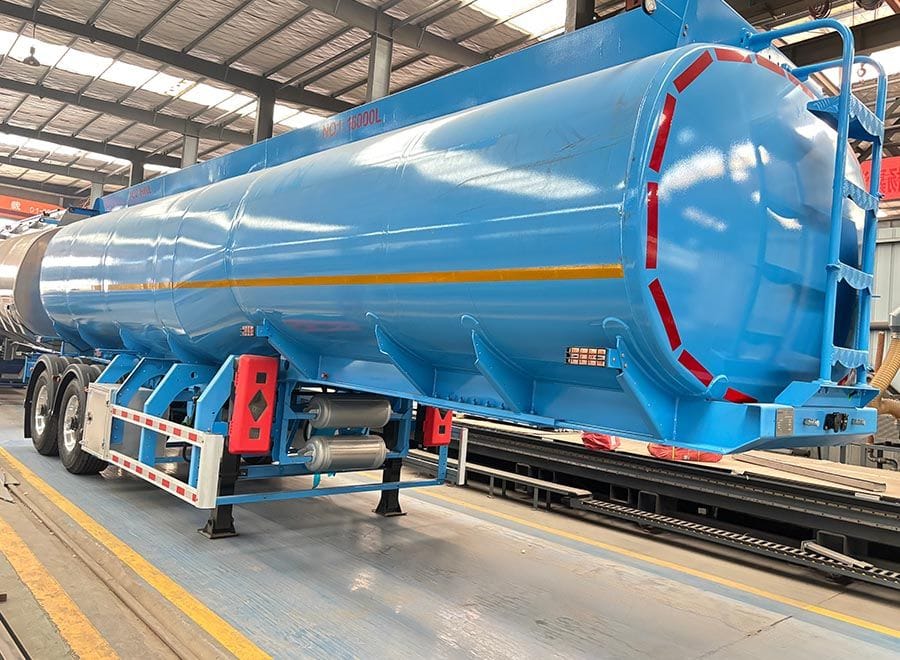
For a practical list of documents to request when accepting a repeat order, use the fuel tanker handover checklist.
Frequently asked questions
Does the same capacity mean identical equipment?
No. Tankers with the same nominal volume can use different instruments, connections and discharge arrangements.
Can all routes use one configuration?
Only if the configuration meets the requirements of those routes and receiving sites. Confirm the interfaces before expanding its use.
Are components interchangeable when they look the same?
Appearance alone is insufficient. Verify the component reference, installation and application with the responsible supplier.
Should every supplier substitution be rejected?
No. Review the reason, suitability and support implications, then document the decision.
Which record matters most for spare parts?
The actual delivered and subsequently updated configuration, tied to the vehicle identification, is the useful reference.
How should I request a repeat order?
Provide the approved revision, the intended duty and requested differences. Ask for a written deviation list and final configuration record.


