
 English
 Français
 Español
 Árabe
 Русский
 Deutsch
 简体中文
 Português
 日本語
 한국어
 हिंदी
 Prancis
 Türkçe
 Tiếng Việt
 Italiano
 ไทย

Two quotations that both state “mechanical suspension” may describe different assemblies. A useful comparison identifies the suspension model, its application, the axle arrangement and the installation details. The label alone does not establish capacity, service requirements or suitability for the buyer’s routes.
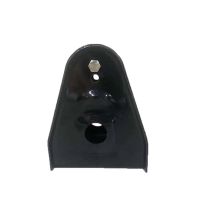
This article addresses the specification stage. For a broader explanation of the two system types, see mechanical versus air suspension for semi-trailers. This guide does not provide repair instructions or component tightening values.
Request an identifiable assembly
Ask each supplier to name the suspension manufacturer and model, or to provide a drawing and parts reference that identify the offered assembly. A list of spring dimensions without an assembly reference may leave the buyer unable to identify replacement parts later. Record the model against the trailer configuration rather than keeping it as an isolated catalogue page.
Also request the supplier’s stated application conditions. A component description should explain the arrangement in which it is intended to operate. Avoid interpreting a rating quoted for one arrangement as approval for a different axle spacing, trailer structure or duty. Unclear ratings should be referred back to the supplier for a written explanation.
Compare the complete installation
The suspension operates as part of the trailer. Ask for an installation drawing showing its relationship to the axles and frame. Identify the proposed axle positions, wheel and tyre configuration and any relevant clearance information. A suspension decision made separately from the trailer drawing can leave those interfaces unresolved.
Do not infer legal payload from a component rating. The vehicle combination and the route require their own assessment. Similarly, the number of spring leaves is a description of one component, not a complete measure of ride quality or application suitability. Ask what evidence supports the proposed configuration for the actual duty.
Describe the route in useful terms
Replace “bad roads” with a practical route description. State the proportion of paved and unpaved travel, typical trip length, operating environment and the cargo carried. Explain any repeated access restrictions or loading arrangements. Where uncertainty remains, provide photographs and ask the supplier which additional information is needed.
Describe loaded and return journeys separately. A fleet carrying a consistent outbound load may return empty or carry a different commodity. The intended operating pattern helps the supplier assess the proposed equipment. Do not convert a general marketing claim about rough-road performance into an operating limit.
Include maintenance support in the comparison
Ask for the maintenance manual applicable to the offered model and the parts catalogue required for ordering service items. Check which parts can be sourced locally using exact references. Familiarity with mechanical systems is useful, but it does not replace the instructions for the particular assembly installed.
Clarify what support is available for identifying a damaged or worn component and for confirming an approved replacement. Do not specify a replacement by appearance alone. Keep inspection and servicing work with competent personnel using the relevant manufacturer instructions. A purchasing article cannot establish safe repair procedures for an unidentified suspension.
Make the order review concrete
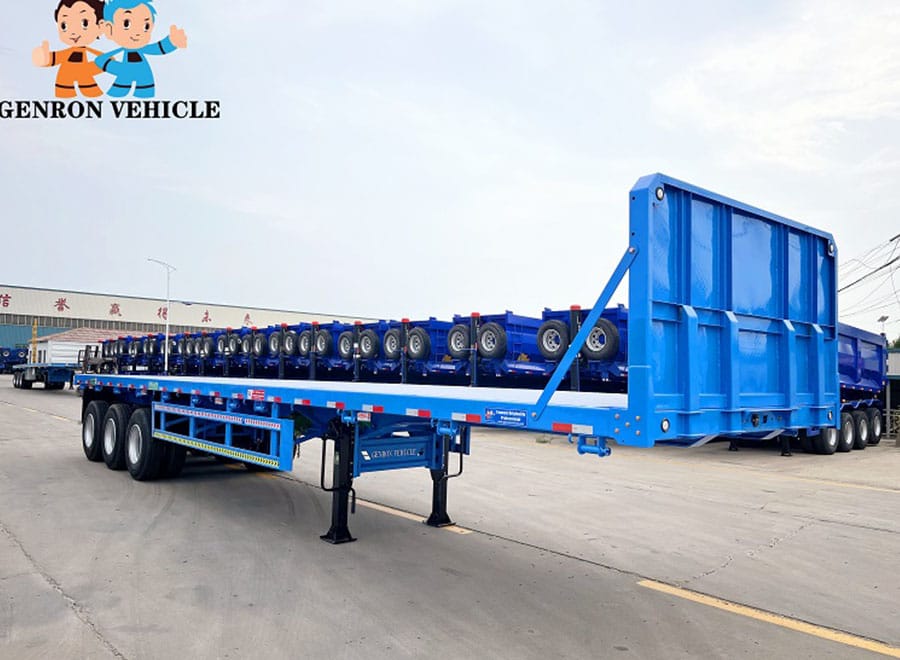
For a GENRON flatbed semi-trailer, request the current suspension specification as part of the complete vehicle quotation. Ask both bidders to respond to the same route and cargo description. Record differences in assembly identity, installation, documentation and support before comparing price.
At order approval, identify any unresolved substitution or installation question. At delivery, check the supplied equipment references against the agreed list and retain the final documents. If the model changes during procurement, request a revision rather than accepting the old specification with an informal verbal explanation.
Assembly identity
For the assembly identity review, collect the suspension assembly drawing and service parts list. Match the evidence to the model reference cited in each offer before treating it as part of the offer. Give the comparison sheet a source column with a document identifier, a date and the person who supplied it. If a record only describes a product family, mark it as background and ask for the details applicable to the proposed equipment. That distinction matters because the buyer needs a traceable comparison. Keep the underlying document with the review so someone joining the order later can understand the decision without reconstructing it from messages.
Consider this illustrative situation: two quotations describe springs but omit the assembly reference. Write down what is known, what still depends on a supplier response and which decision could change if the answer is different. The buyer can then ask one specific question and send the relevant record with it. Ask the respondent to identify the scope of the answer and state any condition that must be met. For a conditional response, note the condition in the comparison sheet, name the person who can resolve it and identify the decision that must wait. This gives the commercial and operating teams the same evidence when they review the proposal.
At the approval meeting, check whether the answer is reflected in the latest documents and whether both parties are reviewing the same revision. Record the accepted position in the order and give the receiving team a practical way to check it. If the answer cannot be confirmed until delivery, agree on the evidence the receiving team should request and how it should report a discrepancy. When the vehicle or assignment changes later, pull the record back into review and identify the affected documents. A brief note recording what changed and why makes the next review faster and keeps the original decision traceable.
Vehicle duty
For the vehicle duty review, collect the operating brief and intended trailer configuration. Match the evidence to the duty description supplied to both vendors before treating it as part of the offer. Give the comparison sheet a source column with a document identifier, a date and the person who supplied it. If a record only describes a product family, mark it as background and ask for the details applicable to the proposed equipment. That distinction matters because the proposals need a common basis. Keep the underlying document with the review so someone joining the order later can understand the decision without reconstructing it from messages.
Consider this illustrative situation: one offer assumes a different route or cargo pattern. Write down what is known, what still depends on a supplier response and which decision could change if the answer is different. The buyer can then ask one specific question and send the relevant record with it. Ask the respondent to identify the scope of the answer and state any condition that must be met. For a conditional response, note the condition in the comparison sheet, name the person who can resolve it and identify the decision that must wait. This gives the commercial and operating teams the same evidence when they review the proposal.
At the approval meeting, check whether the answer is reflected in the latest documents and whether both parties are reviewing the same revision. Record the accepted position in the order and give the receiving team a practical way to check it. If the answer cannot be confirmed until delivery, agree on the evidence the receiving team should request and how it should report a discrepancy. When the vehicle or assignment changes later, pull the record back into review and identify the affected documents. A brief note recording what changed and why makes the next review faster and keeps the original decision traceable.
Axle arrangement
For the axle arrangement review, collect the axle layout shown on the installation drawing. Match the evidence to the trailer configuration in the enquiry before treating it as part of the offer. Give the comparison sheet a source column with a document identifier, a date and the person who supplied it. If a record only describes a product family, mark it as background and ask for the details applicable to the proposed equipment. That distinction matters because the engineering reviewer needs to reconcile the application. Keep the underlying document with the review so someone joining the order later can understand the decision without reconstructing it from messages.
Consider this illustrative situation: a supplier quotes a component from a different layout. Write down what is known, what still depends on a supplier response and which decision could change if the answer is different. The buyer can then ask one specific question and send the relevant record with it. Ask the respondent to identify the scope of the answer and state any condition that must be met. For a conditional response, note the condition in the comparison sheet, name the person who can resolve it and identify the decision that must wait. This gives the commercial and operating teams the same evidence when they review the proposal.
At the approval meeting, check whether the answer is reflected in the latest documents and whether both parties are reviewing the same revision. Record the accepted position in the order and give the receiving team a practical way to check it. If the answer cannot be confirmed until delivery, agree on the evidence the receiving team should request and how it should report a discrepancy. When the vehicle or assignment changes later, pull the record back into review and identify the affected documents. A brief note recording what changed and why makes the next review faster and keeps the original decision traceable.
Scope boundary
For the scope boundary review, collect an itemised list of supplied parts and installation work. Match the evidence to the quotation revision under review before treating it as part of the offer. Give the comparison sheet a source column with a document identifier, a date and the person who supplied it. If a record only describes a product family, mark it as background and ask for the details applicable to the proposed equipment. That distinction matters because the price comparison must show the difference in supply. Keep the underlying document with the review so someone joining the order later can understand the decision without reconstructing it from messages.
Consider this illustrative situation: one supplier includes mounting components and the other excludes them. Write down what is known, what still depends on a supplier response and which decision could change if the answer is different. The buyer can then ask one specific question and send the relevant record with it. Ask the respondent to identify the scope of the answer and state any condition that must be met. For a conditional response, note the condition in the comparison sheet, name the person who can resolve it and identify the decision that must wait. This gives the commercial and operating teams the same evidence when they review the proposal.
At the approval meeting, check whether the answer is reflected in the latest documents and whether both parties are reviewing the same revision. Record the accepted position in the order and give the receiving team a practical way to check it. If the answer cannot be confirmed until delivery, agree on the evidence the receiving team should request and how it should report a discrepancy. When the vehicle or assignment changes later, pull the record back into review and identify the affected documents. A brief note recording what changed and why makes the next review faster and keeps the original decision traceable.
Installation interfaces
For the installation interfaces review, collect the approved mounting and clearance drawings. Match the evidence to the trailer drawing referenced in the offer before treating it as part of the offer. Give the comparison sheet a source column with a document identifier, a date and the person who supplied it. If a record only describes a product family, mark it as background and ask for the details applicable to the proposed equipment. That distinction matters because the responsible engineering team needs to assess the revised drawing. Keep the underlying document with the review so someone joining the order later can understand the decision without reconstructing it from messages.
Consider this illustrative situation: a substitute assembly changes an interface. Write down what is known, what still depends on a supplier response and which decision could change if the answer is different. The buyer can then ask one specific question and send the relevant record with it. Ask the respondent to identify the scope of the answer and state any condition that must be met. For a conditional response, note the condition in the comparison sheet, name the person who can resolve it and identify the decision that must wait. This gives the commercial and operating teams the same evidence when they review the proposal.
At the approval meeting, check whether the answer is reflected in the latest documents and whether both parties are reviewing the same revision. Record the accepted position in the order and give the receiving team a practical way to check it. If the answer cannot be confirmed until delivery, agree on the evidence the receiving team should request and how it should report a discrepancy. When the vehicle or assignment changes later, pull the record back into review and identify the affected documents. A brief note recording what changed and why makes the next review faster and keeps the original decision traceable.
Service identification
For the service identification review, collect the parts catalogue and illustration for the exact assembly. Match the evidence to the identification on the delivered equipment before treating it as part of the offer. Give the comparison sheet a source column with a document identifier, a date and the person who supplied it. If a record only describes a product family, mark it as background and ask for the details applicable to the proposed equipment. That distinction matters because maintenance must identify the part before ordering. Keep the underlying document with the review so someone joining the order later can understand the decision without reconstructing it from messages.
Consider this illustrative situation: similar spring assemblies use different service references. Write down what is known, what still depends on a supplier response and which decision could change if the answer is different. The buyer can then ask one specific question and send the relevant record with it. Ask the respondent to identify the scope of the answer and state any condition that must be met. For a conditional response, note the condition in the comparison sheet, name the person who can resolve it and identify the decision that must wait. This gives the commercial and operating teams the same evidence when they review the proposal.
At the approval meeting, check whether the answer is reflected in the latest documents and whether both parties are reviewing the same revision. Record the accepted position in the order and give the receiving team a practical way to check it. If the answer cannot be confirmed until delivery, agree on the evidence the receiving team should request and how it should report a discrepancy. When the vehicle or assignment changes later, pull the record back into review and identify the affected documents. A brief note recording what changed and why makes the next review faster and keeps the original decision traceable.
Support documentation
For the support documentation review, collect the supplier's maintenance and inspection documents. Match the evidence to the configuration supplied to the fleet before treating it as part of the offer. Give the comparison sheet a source column with a document identifier, a date and the person who supplied it. If a record only describes a product family, mark it as background and ask for the details applicable to the proposed equipment. That distinction matters because handover should provide the applicable documentation. Keep the underlying document with the review so someone joining the order later can understand the decision without reconstructing it from messages.
Consider this illustrative situation: the only manual available is for another assembly. Write down what is known, what still depends on a supplier response and which decision could change if the answer is different. The buyer can then ask one specific question and send the relevant record with it. Ask the respondent to identify the scope of the answer and state any condition that must be met. For a conditional response, note the condition in the comparison sheet, name the person who can resolve it and identify the decision that must wait. This gives the commercial and operating teams the same evidence when they review the proposal.
At the approval meeting, check whether the answer is reflected in the latest documents and whether both parties are reviewing the same revision. Record the accepted position in the order and give the receiving team a practical way to check it. If the answer cannot be confirmed until delivery, agree on the evidence the receiving team should request and how it should report a discrepancy. When the vehicle or assignment changes later, pull the record back into review and identify the affected documents. A brief note recording what changed and why makes the next review faster and keeps the original decision traceable.
Warranty scope
For the warranty scope review, collect written support terms and the process for reporting a fault. Match the evidence to the specific suspension supplied on the order before treating it as part of the offer. Give the comparison sheet a source column with a document identifier, a date and the person who supplied it. If a record only describes a product family, mark it as background and ask for the details applicable to the proposed equipment. That distinction matters because the buyer needs a clear support contact and evidence requirements. Keep the underlying document with the review so someone joining the order later can understand the decision without reconstructing it from messages.
Consider this illustrative situation: the trailer maker and component supplier have different responsibilities. Write down what is known, what still depends on a supplier response and which decision could change if the answer is different. The buyer can then ask one specific question and send the relevant record with it. Ask the respondent to identify the scope of the answer and state any condition that must be met. For a conditional response, note the condition in the comparison sheet, name the person who can resolve it and identify the decision that must wait. This gives the commercial and operating teams the same evidence when they review the proposal.
At the approval meeting, check whether the answer is reflected in the latest documents and whether both parties are reviewing the same revision. Record the accepted position in the order and give the receiving team a practical way to check it. If the answer cannot be confirmed until delivery, agree on the evidence the receiving team should request and how it should report a discrepancy. When the vehicle or assignment changes later, pull the record back into review and identify the affected documents. A brief note recording what changed and why makes the next review faster and keeps the original decision traceable.
Revision approval
For the revision approval review, collect the supplier's record of proposed changes. Match the evidence to the drawing revision accepted by the buyer before treating it as part of the offer. Give the comparison sheet a source column with a document identifier, a date and the person who supplied it. If a record only describes a product family, mark it as background and ask for the details applicable to the proposed equipment. That distinction matters because the final order and drawing need to reflect the same decision. Keep the underlying document with the review so someone joining the order later can understand the decision without reconstructing it from messages.
Consider this illustrative situation: a change is communicated only in a message. Write down what is known, what still depends on a supplier response and which decision could change if the answer is different. The buyer can then ask one specific question and send the relevant record with it. Ask the respondent to identify the scope of the answer and state any condition that must be met. For a conditional response, note the condition in the comparison sheet, name the person who can resolve it and identify the decision that must wait. This gives the commercial and operating teams the same evidence when they review the proposal.
At the approval meeting, check whether the answer is reflected in the latest documents and whether both parties are reviewing the same revision. Record the accepted position in the order and give the receiving team a practical way to check it. If the answer cannot be confirmed until delivery, agree on the evidence the receiving team should request and how it should report a discrepancy. When the vehicle or assignment changes later, pull the record back into review and identify the affected documents. A brief note recording what changed and why makes the next review faster and keeps the original decision traceable.
Receiving inspection
For the receiving inspection review, collect the approved drawing and the delivered equipment identifiers. Match the evidence to the trailer serial number and handover record before treating it as part of the offer. Give the comparison sheet a source column with a document identifier, a date and the person who supplied it. If a record only describes a product family, mark it as background and ask for the details applicable to the proposed equipment. That distinction matters because the receiving team needs to resolve the mismatch before sign-off. Keep the underlying document with the review so someone joining the order later can understand the decision without reconstructing it from messages.
Consider this illustrative situation: the received unit carries an unfamiliar reference. Write down what is known, what still depends on a supplier response and which decision could change if the answer is different. The buyer can then ask one specific question and send the relevant record with it. Ask the respondent to identify the scope of the answer and state any condition that must be met. For a conditional response, note the condition in the comparison sheet, name the person who can resolve it and identify the decision that must wait. This gives the commercial and operating teams the same evidence when they review the proposal.
At the approval meeting, check whether the answer is reflected in the latest documents and whether both parties are reviewing the same revision. Record the accepted position in the order and give the receiving team a practical way to check it. If the answer cannot be confirmed until delivery, agree on the evidence the receiving team should request and how it should report a discrepancy. When the vehicle or assignment changes later, pull the record back into review and identify the affected documents. A brief note recording what changed and why makes the next review faster and keeps the original decision traceable.
To check what information the workshop needs when identifying hubs, bearings and other axle components, consult the semi-trailer axle parts guide.
Frequently asked questions
Does “mechanical suspension” identify a single design?
No. It is a broad description. Request the assembly reference and its intended installation.
Is a heavier spring automatically better?
No. A component dimension alone does not establish suitability. Assess the complete configuration and the intended duty.
Can axle ratings be added to establish payload?
That does not establish the vehicle’s permissible payload. The complete vehicle, load distribution and applicable route requirements need assessment.
What route information should I provide?
Describe road surfaces, journey length, cargo, return loads and site access. Include the uncertainties that need review.
Should the maintenance manual be requested before purchase?
Yes. Confirm that the correct manual and parts information will be available for the offered equipment.
Can this article specify service intervals?
No. Use the instructions for the installed assembly and the inspection programme appropriate to the vehicle’s operation.


