
 English
 Français
 Español
 Árabe
 Deutsch
 简体中文
 Português
 Русский
 日本語
 한국어
 हिंदी
 Prancis
 Türkçe
 Tiếng Việt
 Italiano
 ไทย

A container chassis needs the right locking and support arrangement for the containers it will carry. The useful purchasing question is not how many twist locks are visible in a photograph. It is which container arrangements the chassis has been designed and assessed to transport.
List the required container types and combinations first. Then ask the supplier to show the corresponding positions on a drawing, identify the lock models and explain which arrangements are included in the proposal. A clear layout prevents a flexible-looking chassis from being ordered for an unsupported use.
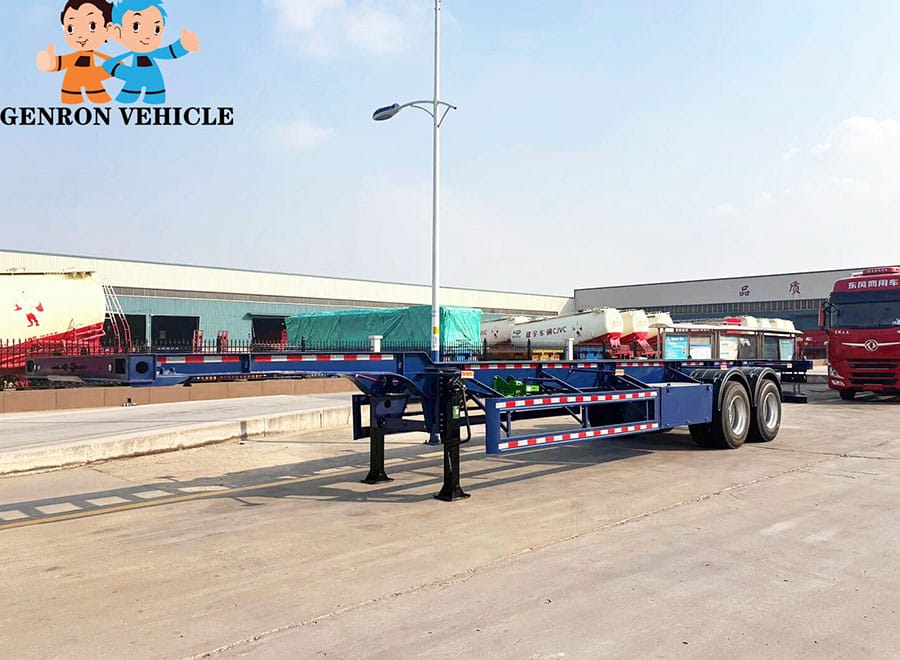
Define Every Required Container Arrangement
State whether the operation requires one 20-foot container, one 40-foot container or another specifically identified arrangement. If carrying two containers on one chassis is part of the enquiry, describe that requirement separately. Do not assume that a chassis described as suitable for 20-foot and 40-foot containers also supports every possible combination of those containers.
Identify the container types as well as their nominal lengths. Provide the relevant container information and the gross masses expected in service, including whether containers will be empty or loaded. A nominal length is a starting label, not a complete fit or loading assessment. Specialized containers and non-standard equipment need their own compatibility review.
Create a Container Arrangement Register
| Requested arrangement | Information the supplier should confirm |
|---|---|
| One 20-foot container | The assessed support and locking positions, relevant container type and loading conditions. |
| One 40-foot container | The assessed positions and compatibility with the specified container construction. |
| Two containers on one chassis, if requested | The complete combination, each container's position and the assessed loading conditions. |
| Empty-container work | The container arrangement and vehicle-combination requirements for that use. |
| Specialized equipment | The specific equipment interface and whether a separate chassis design is required. |
Treat Support and Locking as Connected Requirements
The container's lower corner fittings provide the interfaces that must correspond with the chassis arrangement. The drawing should identify both the supporting positions and the locking equipment at those positions. A lock that can be moved or retracted does not, by itself, establish that the frame supports the container correctly in every location.
Ask for the dimensions and component designations on the layout drawing. The supplier should also identify any restrictions associated with the container type, position or loading arrangement. This is especially useful when a chassis has several sets of hardware: the fleet needs an unambiguous record of the assessed configurations, not an informal instruction to use whichever locks appear to line up.
Identify the Lock Design at Each Position
Twist locks can have different mounting and operating arrangements. Fixed, retractable and pivoting equipment should be identified by its actual model and application. JOST's published installation examples, for instance, show different lock positions and versions for standard container chassis and gooseneck chassis. The catalogue illustrates why one generic lock description is insufficient.
For the quoted vehicle, request the manufacturer and designation of each supplied lock type. Record whether the parts at the front, intermediate and rear positions are the same or different. Color, handle appearance and approximate dimensions are not dependable part identifiers. Where a replacement is needed later, the fleet should be able to refer to the installed equipment record rather than a photograph of a similar component.
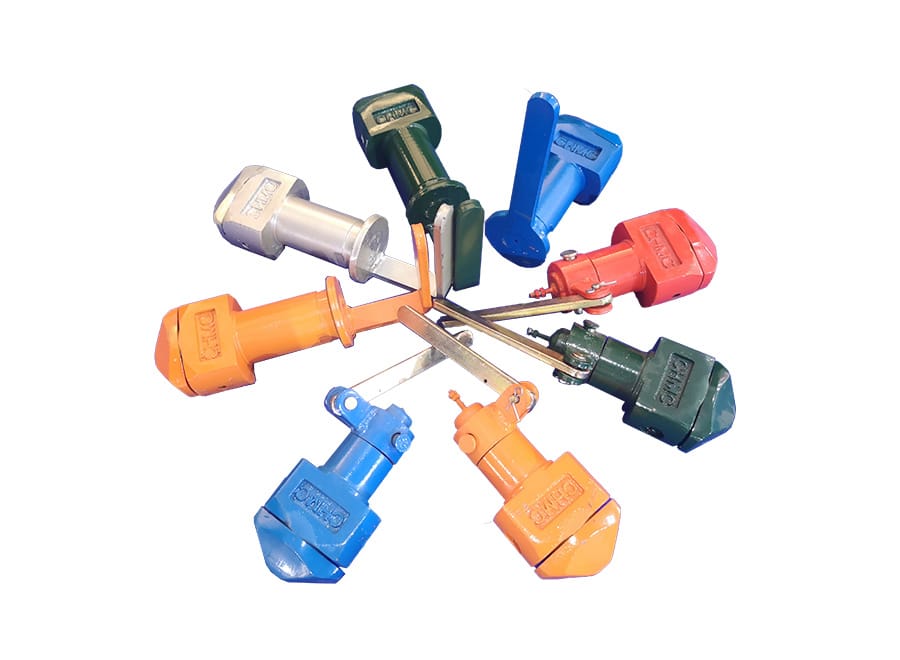
What the Locking Drawing Should Make Clear
| Drawing detail | Purpose |
|---|---|
| Position reference | Gives each support and locking location a consistent identifier. |
| Container arrangement | Shows which positions belong to each assessed configuration. |
| Lock designation | Connects the drawing to the supplied component and its documentation. |
| Movement and clearance | Identifies relevant retracting, pivoting or access requirements. |
| Loading conditions | Records the conditions assessed for the container and chassis arrangement. |
| Drawing revision | Connects the approved layout to the vehicle being supplied. |
Plan for Container Condition and Terminal Handling
Container condition matters as well as chassis design. Damaged, distorted or unidentified fittings should not be treated as acceptable merely because the container can be placed over the locks. The operator needs the applicable inspection process and a way to report a fit problem before the combination is accepted for use.
Describe the terminals and handling equipment involved in the normal work. Include restrictions that affect access to the locking equipment or the chassis arrangement. This does not mean that the buyer must design a terminal procedure. It means that the supplier should receive enough information to identify a configuration that cannot be used as intended at the collection or delivery point.
Keep Arrangement Changes Separate From Parts Replacement
Replacing an identified component with the approved replacement is different from changing the chassis layout. Moving a locking position, adding supports or adapting a special container can affect the structure and loading arrangement. Such changes need the appropriate design review and approval, not only a parts order.
Keep the final layout drawing, component list and vehicle identification together. If the fleet uses several chassis, record which layouts apply to which vehicles. Two visually similar chassis may have different assessed arrangements or hardware. A configuration register gives dispatchers and workshop personnel a consistent source of information without requiring them to remember the history of every trailer.
Compare Offers Using the Same Container Schedule
Send every supplier the same container schedule and ask them to mark each requested arrangement as included, offered with different equipment or not covered by the proposal. This produces a more useful comparison than matching axle count, trailer length and price. It also reveals whether one offer includes more hardware but covers fewer of the fleet's actual requirements.
For example, a buyer may need a 40-foot arrangement for normal port work and a separately assessed 20-foot arrangement for another route. The comparison should identify both positions and loading conditions. It should not assume that the shorter container can be placed at any convenient point on the longer chassis. The agreed schedule should remain attached to the approved drawing and equipment list.
One Important Locking Question
Does having more twist locks mean that more container positions are approved?
No. Extra hardware does not establish structural support, load distribution or compatibility. Use the specified arrangement register and approved drawing for the actual chassis and container types.
Useful Products and Further Reading
Technical References
JOST's examples describe the listed JOST components and chassis arrangements. They do not approve a different lock, an altered chassis or a particular GENRON loading configuration.
Send GENRON your container arrangement schedule. List the container types, expected gross masses and required combinations. Request a layout drawing and component list that identify exactly which arrangements the proposal covers.


