
 English
 Français
 Español
 Árabe
 Deutsch
 简体中文
 Português
 Русский
 日本語
 한국어
 हिंदी
 Prancis
 Türkçe
 Tiếng Việt
 Italiano
 ไทย

A tire size is a starting point, not a complete semi trailer tire specification. Two quotations can list the same nominal size yet differ in the tire model, service description, intended application or wheels supplied. Those differences matter when the trailer enters service and when the fleet needs a replacement.
For a new trailer order, ask for an itemized tire-and-wheel schedule. It should identify what will be fitted, the technical information used to select it and what is included as a spare. This guide explains how to prepare that schedule without treating a tire marking as a trailer payload rating.
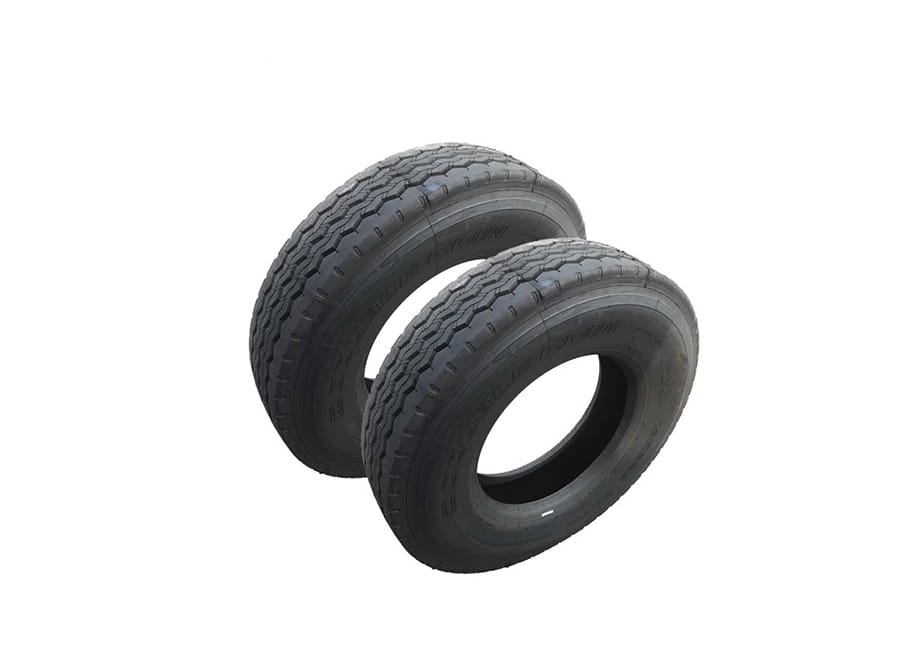
Record the Complete Tire Designation
Write the full size exactly as specified, including its construction and rim-diameter designation. Keep the tire manufacturer's name, model and service description in separate fields. A purchase line that says only standard tires leaves too much unresolved, while a photograph of the tread does not establish the specification.
In a metric designation such as 295/75R22.5, the elements describe nominal section width, aspect ratio, radial construction and rim diameter. This is an illustration of the notation, not a size recommendation for a GENRON trailer. Ask the supplier to identify the proposed fitment on the configuration sheet and to provide the applicable product data.
Read Load and Speed Information Together
The service description includes load-index and speed-symbol information. Where separate single and dual load indexes are shown, use the information for the specified wheel arrangement; do not select whichever figure looks larger. The European Commission's tire-parameter guide illustrates this distinction for truck tires.
A tire's stated capability applies under defined conditions. It does not establish the trailer's permitted payload or approve the loaded combination for a road route. For an order review, request the proposed axle loading and ask the vehicle and tire specialists to confirm the suitability of the fitted equipment. Keep this assessment separate from destination weight and registration requirements.
What a Useful Tire-and-Wheel Schedule Contains
| Entry | Information to request |
|---|---|
| Tire identification | Manufacturer, model, complete size and service description. |
| Wheel identification | Manufacturer or designation, relevant dimensions and mounting specification. |
| Fitment arrangement | Single or dual configuration and the assessed application. |
| Operating conditions | Expected axle loading, journey pattern and road conditions. |
| Spare equipment | Tire only, wheel only or complete assembly, plus quantity and rack details. |
| Service information | Applicable fitment, inflation and maintenance documentation. |
Confirm the Wheel, Not Just Its Diameter
Matching rim diameter alone is insufficient. The tire must suit the specified rim, and the wheel must suit the hub and vehicle arrangement. Ask the supplier to identify the wheel specification used in the fitment review rather than describing it simply as a steel or aluminum wheel.
Clearance and, for dual arrangements, tire spacing also need consideration when changing a fitment. Michelin's fitment guidance highlights these checks. Do not approve a substitute solely because its advertised outside diameter is similar. A proposed change should be referred to the appropriate vehicle, wheel and tire specialists before it becomes part of the order.
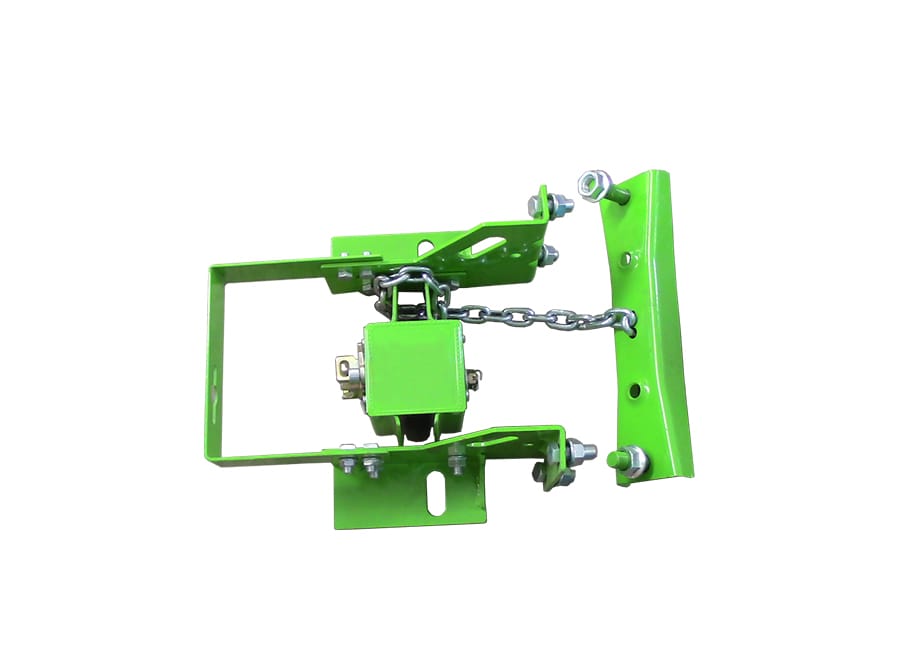
Describe the Trailer's Work in Plain Terms
Tell the supplier whether the trailer mainly runs between ports and depots, makes frequent local deliveries or regularly enters construction sites. Describe the actual road surfaces and the proportion of work that takes place away from paved roads. A broad description such as heavy duty does not explain the service pattern.
Also explain where the fleet buys replacement tires and obtains tire service. Availability is a purchasing consideration, but it cannot replace a compatibility assessment. The most convenient locally stocked size is not automatically an approved alternative. Ask the supplier to distinguish the proposed standard fitment from any alternatives that still need technical confirmation.
Make the Spare-Wheel Scope Explicit
A spare tire, a spare wheel and a mounted spare assembly are different items. State which one is required and ask for the quantity included. Confirm whether the supplied spare matches the intended application and whether any limitations need to be recorded in the vehicle documents.
Include the carrier or rack in the discussion. Request its specified mounting arrangement and the information needed to handle and retain the supplied assembly. A rack photograph does not establish its rating or compatibility with every spare. Fleet personnel should receive the relevant handling instructions; this purchase checklist is not a wheel-removal or lifting procedure.
Compare Two Offers Without Losing the Details
Consider an illustrative comparison: Offer A names the tire model and supplies an identified mounted spare; Offer B lists only the nominal tire size and a spare tire. Even if the headline vehicle price is lower in Offer B, the scopes are not yet equivalent. Ask for the missing specification and clarify whether a wheel, mounting and carrier are included.
Put the answers in one comparison sheet. Record an alternative tire model as an alternative, not as an identical item. If the supplier proposes a substitution before delivery, obtain its technical details and resolve the change in writing. This prevents the receiving team from having to interpret an unexplained difference between the approved order and the fitted equipment.
Give the Workshop the Correct Documents
At handover, retain the final tire-and-wheel list against the trailer identification. The workshop needs the documents for the equipment actually supplied, including the relevant inflation and service information. A generic pressure copied from another trailer should not become the fleet's operating instruction.
If the operating load or route changes, revisit the application with qualified personnel. Record approved replacements and subsequent changes so the parts store and workshop use the same information. A clear initial specification is useful only if it remains connected to the vehicle throughout its service life.
Tire Specification Enquiry
Trailer configuration and fleet reference:
Proposed axle loading and intended service:
Complete tire size:
Tire manufacturer, model and service description:
Single or dual fitment:
Wheel designation and mounting details:
Technical fitment confirmation requested:
Spare: tire / wheel / mounted assembly:
Spare quantity and carrier arrangement:
Local replacement and service availability:
Documents to accompany the supplied equipment:
Two Common Specification Questions
Does a higher tire load index increase trailer payload?
Not by itself. Trailer structure, axles, wheels, the vehicle combination and applicable route requirements still constrain the operation. Have the complete configuration assessed.
Can a replacement be approved from size markings alone?
No. Confirm the model, service capabilities, rim compatibility and application using the relevant manufacturer information and qualified fitment advice.
Related Products and Further Reading
Technical References
These references explain markings and fitment concepts. They do not establish the specification of a particular GENRON trailer; obtain the documents for the actual tires and wheels supplied.
Request an itemized tire-and-wheel specification from GENRON. Send the intended service pattern, proposed configuration and spare-equipment requirements so the fitment and quotation scope can be discussed together.


