
 English
 Français
 Español
 Árabe
 Deutsch
 简体中文
 Português
 Русский
 日本語
 한국어
 हिंदी
 Prancis
 Türkçe
 Tiếng Việt
 Italiano
 ไทย

A first-year spare parts kit should help the fleet obtain the right components when they are needed. It should not be presented as a prediction that every listed part will fail within twelve months. The starting point is the equipment actually fitted, followed by maintenance requirements, local availability and supply lead times.
Separate planned service items from parts held for an unexpected repair and from workshop tools. Then decide which items belong in depot stock, which can be obtained locally and which require a specific supplier arrangement. That creates a more useful plan than ordering a general box of trailer parts.
Create a Component Record for Each Trailer
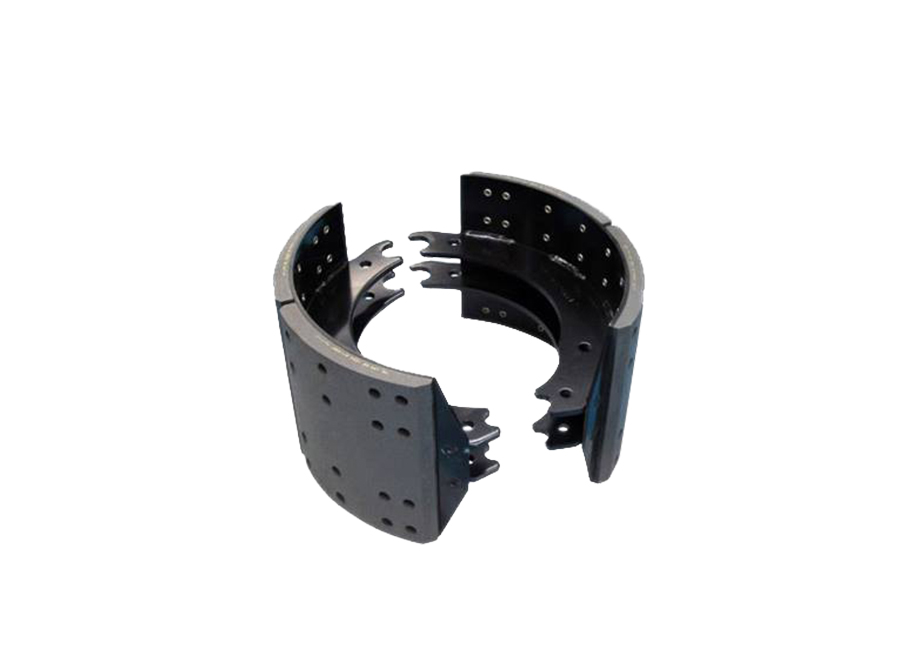
Record the trailer identification and the manufacturers, models and relevant identifiers of its fitted components. Start with the axle, wheel-end, brake, suspension, coupling and support-leg equipment. Add body-specific equipment such as gates, hydraulic components or tanker fittings where applicable.
Connect the record with the final equipment list and available manufacturer literature. Visually similar trailers may contain different components, particularly if they were bought at different times or supplied with different options. A fleet name such as three-axle trailer is not precise enough for a replacement order. The parts record should make it possible to identify the actual vehicle and installation.
Divide the Initial List Into Useful Groups
| Stock group | How to decide what belongs in it |
|---|---|
| Planned service items | Use the applicable component maintenance information and the fleet's service plan. |
| Identified repair parts | Consider criticality, supply time and local availability after confirming compatibility. |
| Vehicle-specific hardware | Record the exact body, connection or other application before choosing stock. |
| Workshop tools | Plan them separately; a tool is not a replacement component. |
| Locally obtainable items | Confirm the actual source and lead time rather than assuming immediate availability. |
| Special-order assemblies | Agree identification, supply scope and support arrangements with the supplier. |
Use Maintenance Instructions Without Inventing Intervals
The fleet's service plan should use the instructions for the equipment it actually operates. An interval, lubricant or replacement requirement from another axle or brake system should not be transferred without the appropriate technical confirmation. Manufacturer literature may also distinguish between different versions within one product family.
Hendrickson's wheel-end maintenance resources are an example of component-specific documentation. The useful purchasing lesson is to connect service items with the correct equipment record and instructions. It is not a reason to apply a Hendrickson procedure to an unrelated installation. Ask the supplier which maintenance documents accompany the fitted equipment and resolve missing information before finalizing the service-related stock list.
Identify the Unit of Purchase and the Unit of Use
A quotation may offer an individual component, a pair, a service kit or a complete assembly. Those are different purchasing units. Request an itemized contents list for every kit and record what one package is intended to service. Do not assume that two suppliers use the same kit description.
Also record the quantity required for the identified job or assembly, as confirmed by the appropriate technical information. This prevents a stock count from looking adequate when it contains incomplete packages. For example, the fleet should be able to distinguish one sealed kit from several loose items that may not include all the associated parts required for the intended service.
Choose Stock Levels From Lead Time and Actual Demand
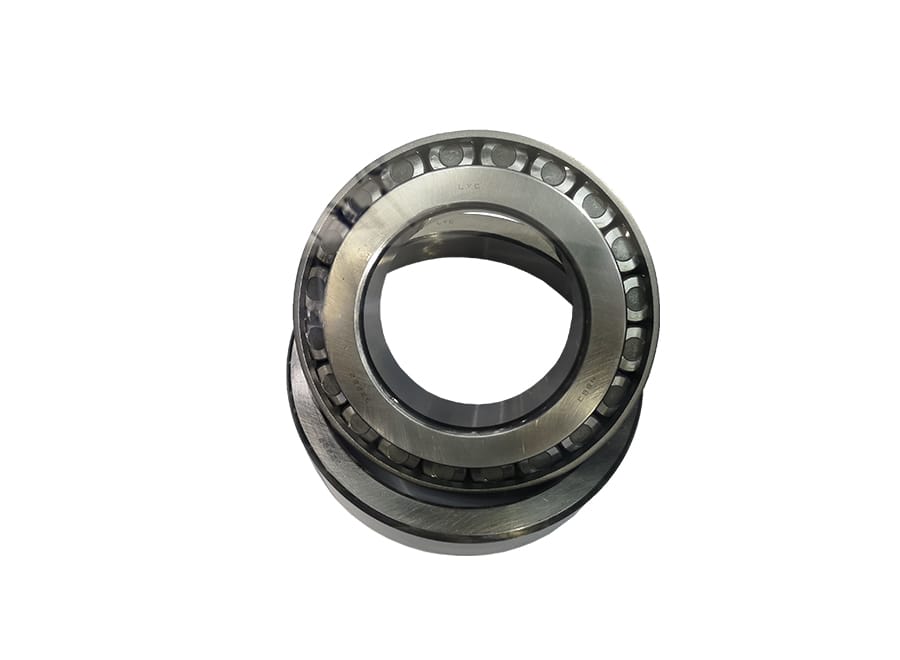
Start with the supplier's stated delivery time, the local alternatives and the operational consequences of a shortage. When reliable usage data become available, use them to estimate demand during the supply period. Decide any reserve separately, taking account of uncertainty and the importance of the item.
For a simple inventory example, suppose an item is used at a rate of two kits every four weeks and takes six weeks to obtain. Expected demand during that supply period would be three kits. The fleet would then decide whether to hold an additional reserve. These hypothetical figures are not a recommendation for brake or bearing stock, a failure forecast or a maintenance interval.
Keep Different Applications Separate in the Store
A mixed fleet may need different components that look similar. Label stock with the part designation, approved applications, purchasing unit and relevant supplier information. Keep the vehicle and component records available to the people issuing parts so they do not choose a replacement by appearance alone.
An illustrative fleet with three trailers using one axle configuration and two using another should identify those applications separately, even if both groups have the same axle count. If a part is confirmed as common to both groups, record that confirmation. Do not create a common stock entry merely because the vehicles share a brand name or a broad capacity description.
Check Delivered Parts Before Installation
At receipt, compare the designation, quantity and kit contents with the approved order. Check for visible damage and retain the relevant labels and documents. A discrepancy should be resolved with the supplier and technical personnel before the part is accepted for the intended job.
Store the parts in accordance with their supplier requirements, preserving identification and protective packaging where required. Record any relevant storage conditions or shelf-life information supplied with the item. Workshop tools and loose vehicle accessories should have their own inventory entries so the parts list does not become an unclear mixture of equipment, consumables and replacement assemblies.
Review the First-Year Plan as Evidence Accumulates
Record parts issued, the vehicle and application involved, the reason for the job and the remaining stock. Where a workshop investigates a fault, keep its findings separate from the purchasing transaction. The same part being ordered repeatedly does not, on its own, establish a design fault or a standard replacement interval.
Use the records to revise the stock plan. An item with dependable local supply may need less depot stock, while an identified component with a long lead time may justify a different arrangement. The first-year review should improve identification and availability using real fleet information, not turn an initial estimate into a permanent rule.
A Copyable Parts Register Entry
Trailer identification / fleet reference:
Fitted component manufacturer and model:
Part designation and approved application:
Individual part, kit or assembly:
Itemized kit contents:
Quantity per package and required job quantity:
Current stock and storage location:
Confirmed supplier and supply lead time:
Local alternative, if technically approved:
Applicable service literature:
Storage or shelf-life requirements supplied:
Usage record and date of the next stock review:
Questions About Initial Spare Parts Kits
Should every component be stocked for the first year?
Not automatically. Confirm the installed equipment, service requirements, criticality, supply time and local availability. Plan quantities from the fleet's needs rather than assuming that every part will require replacement.
Can similar-looking components share one stock entry?
Only when compatibility and the intended applications have been confirmed. Record the exact designations and the technical basis for treating a part as common.
Useful Products and Further Reading
Technical References
Use the reference only for the Hendrickson equipment it identifies. Obtain the correct service information for each component fitted to the fleet.
Ask GENRON for an identified spare parts proposal. Send the fleet's component records, existing part designations and support requirements. Request itemized kits and quantities, with service items, repair stock and workshop tools listed separately.


