
 English
 Français
 Español
 Árabe
 Deutsch
 简体中文
 Português
 Русский
 日本語
 한국어
 हिंदी
 Prancis
 Türkçe
 Tiếng Việt
 Italiano
 ไทย

For bundled steel and packaged building materials, total cargo weight is only part of a flatbed specification. The weight per package, the places where it rests and the method used to load it can change the platform review. A long bundle supported at a few positions is a different load from pallets spread across the deck.
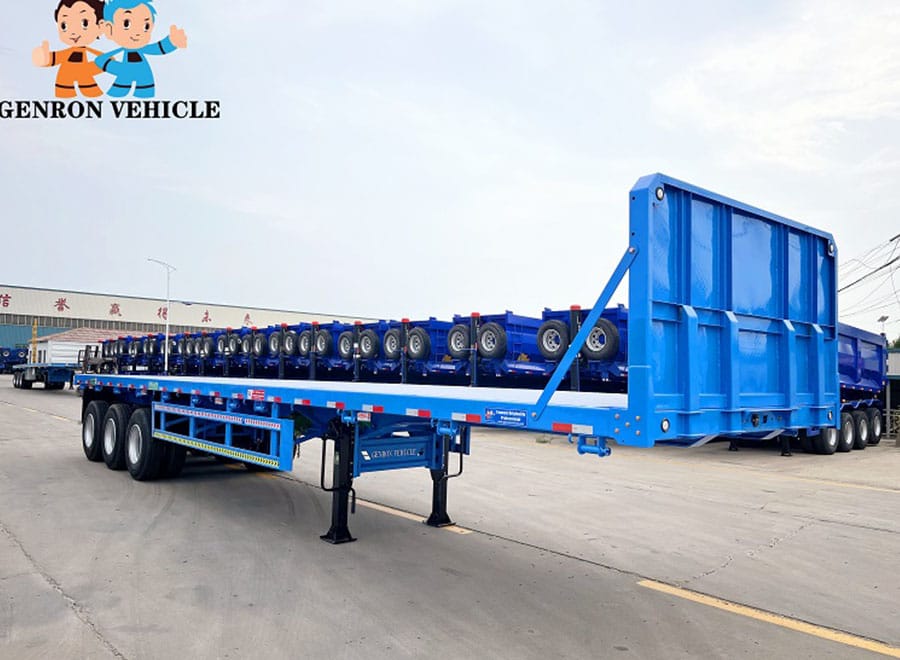
Define the Cargo in Its Transport Form
Record the packed length, width, height and weight of each normal package. Show wrapping, pallets and supports that travel with it. Distinguish bundled bars or sections from palletised building materials. Steel coils are a separate application requiring a specific support and securing review; this general packaged-cargo discussion is not a coil-transport design.
Show Where the Load Reaches the Platform
Mark the intended support or dunnage positions on the deck sketch. A heavy package resting at a few locations can create concentrated loads even when total cargo weight is within a stated trailer rating. Floor thickness alone does not describe the underlying structure or approve that arrangement. Ask for the trailer platform to be reviewed against the package weights and their actual support positions.
Loading Access and Securing Access Are Different
Specify forklift, crane or other loading equipment at both ends of the journey. Allow for package placement, lifting clearance and any removable body accessories. Then mark the designated anchors and check that they remain accessible once the cargo is on the deck. The transport operator should establish suitable restraint for the cargo and route; an ordinary rail or side panel is not automatically an approved anchor.
Review the Combination and Destination Requirements
Give the tractor details and operating route with the load drawing. Package position, axle and gross weight limits, dimensional restrictions and site access belong in the same application review. If a long load raises an overhang or access question, identify it explicitly rather than treating it as covered by a normal flatbed description.
Make Supplier Comparisons Traceable
Use the same package and support information for each proposal. Compare the platform arrangement, accessories, component list and stated assumptions. The approved drawing should show the load example used in the discussion, while the operator retains the cargo-securing plan. This separates the trailer specification from the operational decisions needed for an individual journey.
Package Information for a Platform Review
| Information | Why it matters |
|---|---|
| Weight per package | Identifies the load carried at each support position. |
| Packed dimensions | Establishes deck layout, handling and access needs. |
| Support positions | Shows concentrated loading on the platform. |
| Loading and restraint plan | Identifies lifting access, designated anchors and route requirements. |
Attach These Details to the Flatbed Enquiry
Cargo photographs, packed dimensions and package weights.
A deck sketch with supports and normal load positions.
Loading equipment at collection and delivery.
Tractor, route and the operator’s securing requirements.
A Question About Floor Thickness
Does requesting a thicker floor establish suitability for steel cargo?
No. The platform structure, support positions and load distribution still need review against the specified packages.
Related Products and Reading
Sources and Application Notes
FMCSA is a United States government agency. Its cargo-securement material is referenced for U.S. requirements, not as a manufacturer specification or a rule for every destination. Confirm the requirements applicable to the actual route.
Request a flatbed review for your packed load. Send GENRON the package weights and support sketch so the platform proposal can address the load you intend to carry.


