
 English
 Français
 Español
 Árabe
 Deutsch
 简体中文
 Português
 Русский
 日本語
 한국어
 हिंदी
 Prancis
 Türkçe
 Tiếng Việt
 Italiano
 ไทย

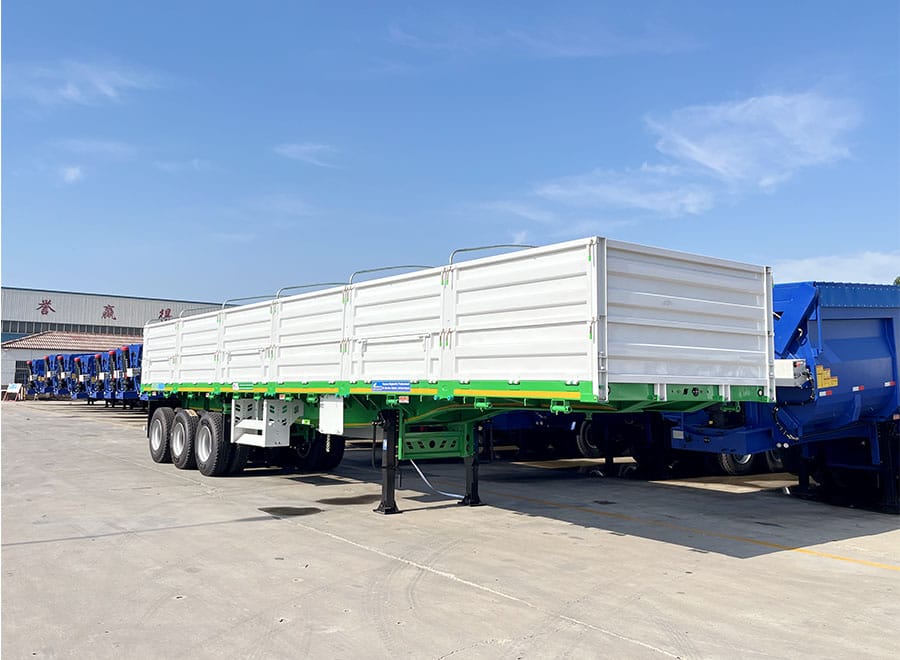
A dropside semi trailer and a fence semi trailer may share a similar platform, but their side structures can create different loading workflows. The practical choice depends on the cargo, loading equipment, gate arrangement and load securing plan.
For buyers comparing the two designs, the useful question is: how will the trailer handle a typical load from collection to delivery? A lower side wall can simplify access, while a taller fence structure may suit certain taller or bulkier cargo arrangements. Neither design automatically provides a higher legal payload or replaces appropriate cargo securement.
What Is the Main Structural Difference?
A dropside semi trailer generally has solid side panels around an open cargo platform. Depending on the specification, the panels may fold down, open in sections or be removable. Buyers should confirm how both the panels and their supporting posts are handled.
A fence semi trailer generally has a taller side structure formed by rails, stakes or removable gate sections. Some designs combine lower solid panels with an upper fence. The terms “fence,” “stake” and “side wall” are used differently across markets, so a product name alone is not enough to define the body.
Compare drawings showing the deck, lower panels, upper sections, gate openings and post positions. For more background on each design, read the Dropside Semi Trailer Buying Guide and the Fence Semi Trailer Buying Guide.
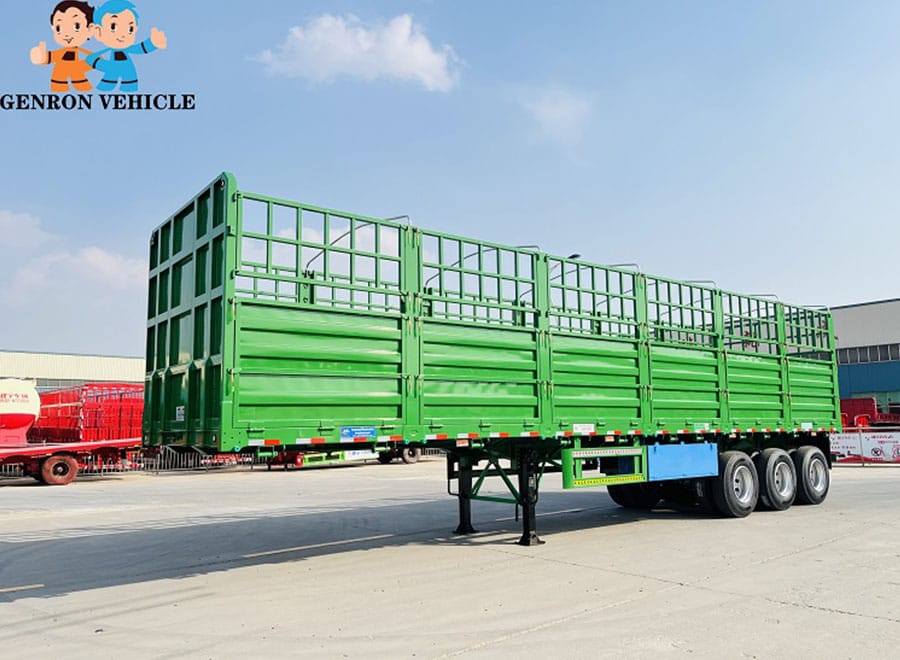
Dropside vs Fence Semi Trailer: Quick Comparison
| Comparison point | Dropside semi trailer | Fence semi trailer |
|---|---|---|
| Typical side structure | Lower solid side panels; opening and removal arrangements depend on the specification. | Taller rail or gate structure; some designs include lower solid panels. |
| Side loading access | Check the opening after panels are lowered or removed, including remaining posts. | Check which gates must be opened or removed and where those sections will be stored. |
| Cargo assessment | Consider package dimensions, deck support and suitability for the lower side arrangement. | Consider load height, gaps between rails and suitability for the taller side arrangement. |
| Top loading access | Confirm clearance for the cargo and lifting equipment. | Confirm clearance around upper sections, posts and any covering supports. |
| Securement and payload | Require a cargo-specific securing plan and confirmation of the usable transport configuration. | Require the same checks; fence height does not establish restraint strength or legal payload. |
Cargo Fit: Think About Shape and Packaging
Dropside trailers can be considered for packaged goods, palletized building materials, bagged products and other cargo suited to an open platform with lower side panels. The dimensions of each package and the way it is supported matter more than a broad description such as “general cargo.”
A fence structure may be considered when taller side sections fit the intended cargo arrangement. However, open rails leave gaps. Small packages, loose material or goods needing protection from rain may require another body type, suitable packaging or a separately specified covering arrangement.
Two buyers transporting agricultural products may need different trailers. One may carry bags on pallets loaded by forklift; another may handle large individually secured packages loaded from above. Their loading access and securing requirements should be assessed separately.
Neither body should be selected for loose sand, fine materials or other cargo simply because it has side panels. Containment suitability must be confirmed for the particular load and body design.
Loading Access: Check the Complete Workflow
Side loading
For regular forklift loading, compare the usable opening with the dimensions of the pallet and the loading equipment. A dropside panel that folds down can improve access, but a remaining post may still divide the opening.
On a fence trailer, the operator may need to release and move an upper gate before accessing the deck. Removable sections can provide flexibility, but their handling and storage should be included in the loading procedure.
Ask how many sections must be opened for a typical delivery. Confirm whether gates are hinged or removable, how they are locked during transport and whether the loading area provides enough space to handle them. For multi-stop operations, consider whether a particular part of the load can be accessed without dismantling several unrelated sections.
Top loading
Both designs may permit top loading when the body is open, but the lifting plan still needs to account for side height, posts and any upper structures.
For crane-loaded cargo, check the clearance required for the item and the lifting equipment. A taller fence may need sections removed or opened before a particular load can be placed. A lower dropside does not remove the need to check deck strength, cargo support and final load position.
If a tarpaulin frame or other covering system is required, include it in the drawing review. Cover supports can change the available access even when the platform itself remains open.
Side Structures, Securement and Payload
Do not assume an ordinary side wall, fence or gate is a rated cargo restraint. If a body component is intended to support or restrain a load, its suitability must be confirmed for that function.
The securing plan may require appropriate anchor points, straps or chains, blocking, support materials and edge protection, depending on the cargo. Round or unstable items need particular attention. Anchor locations should remain accessible after the goods are loaded.
Ask the supplier to identify the intended securing points and provide relevant information for their use. Do not attach equipment to a rail merely because it looks convenient. The transport operator should verify the securing method against the cargo, equipment and requirements that apply to the route.
Side height, axle count and advertised capacity describe different aspects of a trailer. A taller fence may create a higher loading boundary, but it does not establish how much weight the vehicle can legally carry.
Compare the specified trailer weight, chassis design, axle arrangement and intended weight distribution. The tractor combination and destination requirements also affect the usable configuration. For dense cargo, loading position and local weight limits may be the main constraints; for lighter packaged cargo, usable dimensions and access may have greater influence.
What to Send Before Requesting a Quotation
A useful quotation request should include:
Cargo descriptions, photographs and packaging details.
Typical and maximum weight per item and per journey.
Package dimensions and the proposed loading arrangement.
Loading equipment at collection and delivery points.
Whether access is needed from the side, rear or above.
The intended country, route and tractor connection details.
Preferred side height, gate arrangement and covering needs.
The proposed securing method and anchor point requirements.
Ask for a configuration drawing alongside the quotation. It should make the gate layout, clear openings, side heights and specified equipment easy to compare.
Discuss Your Cargo Configuration With GENRON VEHICLE
Start with dropside when lower solid panels and their opening arrangement match the cargo and loading process. Consider fence when the proposed taller structure suits the load without creating unnecessary handling steps.
Compare the dropside semi trailer options and fence semi trailer options, then contact GENRON VEHICLE with your cargo dimensions, route and loading method to discuss a suitable configuration.


