
 English
 Français
 Español
 Árabe
 Русский
 Deutsch
 简体中文
 Português
 日本語
 한국어
 हिंदी
 Prancis
 Türkçe
 Tiếng Việt
 Italiano
 ไทย

Fleet maintenance and parts procurement guide
Uneven tyre wear is a reason to document the vehicle's condition and obtain a competent inspection. It is not sufficient evidence, on its own, to select replacement suspension or axle parts. A useful service enquiry combines tyre identification, wheel position, operating history and the findings of the inspection team.
This article explains how fleet buyers can organise that information. It does not diagnose a vehicle remotely, prescribe alignment settings or provide a repair procedure. The semi-trailer maintenance checklist gives broader context for planned inspection.
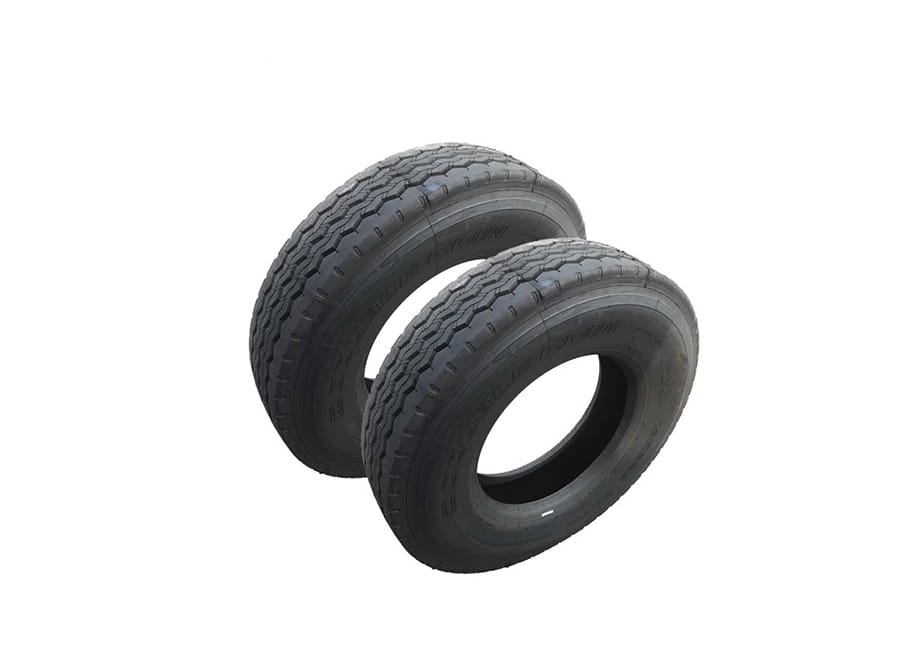
Identify each tyre and its position
Use a consistent position reference for the trailer and record the tyre size, identification and available service history. Photographs should show the tyre and its position clearly, with any measurement references used by the inspection team. A close-up without a position label can be difficult to relate to the rest of the vehicle.
Keep the date and vehicle identity with the record. Where tyres have been moved between positions, include that history rather than assuming the wear developed at the current location. A purchasing team cannot reliably compare observations if the underlying positions and time periods are unclear.
Record the operating context
Describe the usual cargo, routes and loaded and empty movements. Note recent changes in duty, equipment or maintenance. Record relevant events reported by the driver, while distinguishing those reports from findings confirmed during inspection. Avoid turning an unverified recollection into a definite cause.
The purpose of the record is to help the inspection team understand the context. It should not encourage continued operation of equipment already judged unsafe. Follow the responsible maintenance team's decisions about vehicle availability and any required remedial work.
Use consistent observations
Ask competent personnel to record the observations and measurements they consider relevant using suitable equipment and the applicable procedure. Keep the original results and the locations at which they were taken. Consistency makes later comparisons more useful than a collection of photographs taken under different conditions.
Do not copy a setting from another trailer merely because the vehicles appear similar. Tyre, wheel, axle and suspension information must match the actual configuration. Use the relevant manufacturer documentation and the inspection findings when determining the appropriate corrective action.
Establish the diagnosis before purchasing parts
Ask the maintenance provider to identify the components requiring attention and the evidence supporting that conclusion. A wear pattern can prompt investigation, but a component order should identify the part and its application. This helps avoid buying a spring, bush or axle component that does not address the actual problem.
For replacement ordering, provide the vehicle identification, component reference and any supporting photographs requested by the supplier. Confirm approved substitutions explicitly. The semi-trailer axle parts guide explains why hubs, bearings, seals and brake components need accurate identification.
Close the record after the work
Retain the work order, the parts fitted and the service provider's findings. Record any follow-up inspection required by the responsible personnel. A clear history lets the fleet compare later observations with the condition before the repair and identify repeat concerns without relying on memory.
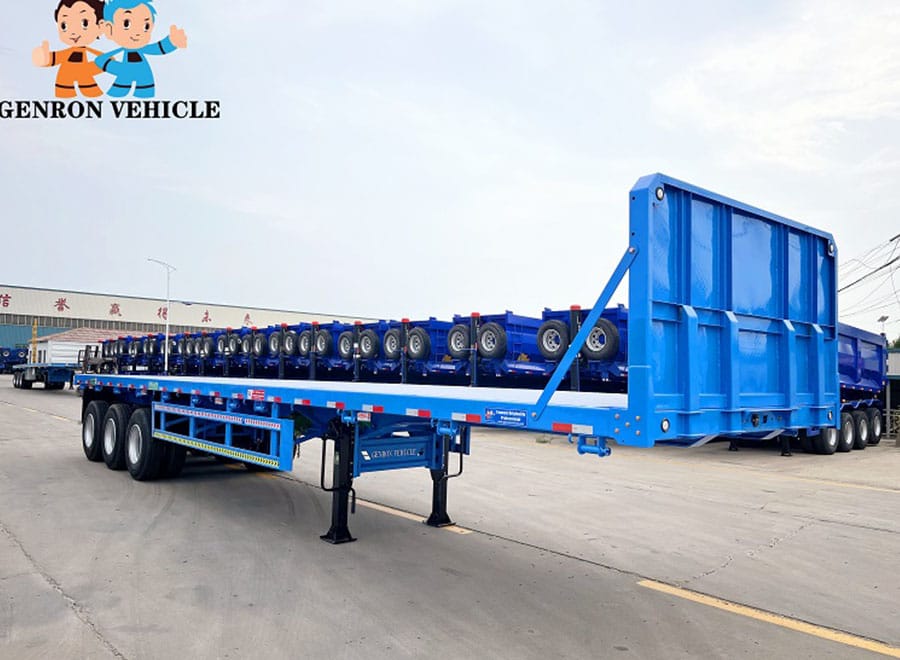
When purchasing a new GENRON flatbed semi-trailer, include tyre, wheel, axle and suspension identification documents in the requested handover scope. Ask for the manuals applicable to the supplied configuration. Good records established at purchase make later service enquiries more precise and help the fleet order the correct parts.
Frequently asked questions
Can tyre photographs alone establish the failed component?
No. They can support an enquiry, but the vehicle requires an appropriate inspection and assessment.
Why record the wheel position?
Position records connect observations with a particular location and make tyre movement history visible.
Should drivers report changes in vehicle behaviour?
Yes. Record the report and refer it to the responsible maintenance team, distinguishing reported symptoms from confirmed findings.
Can settings from another trailer be reused?
Do not assume so. Use the applicable documentation and competent assessment for the actual vehicle configuration.
What information helps with replacement orders?
Provide vehicle identification, the confirmed component reference, inspection findings and the installation information requested by the supplier.
How can procurement improve future maintenance records?
Require the delivered configuration, manuals and parts references at handover, then keep that record updated when approved changes are made.


